Astonishing Destiny: The Rishis of Ancient India Story
Explore the remarkable hope and genuine teachings of rishis of ancient India. Actually understand their impact on spiritual growth.

Written by By Hanish Bagga
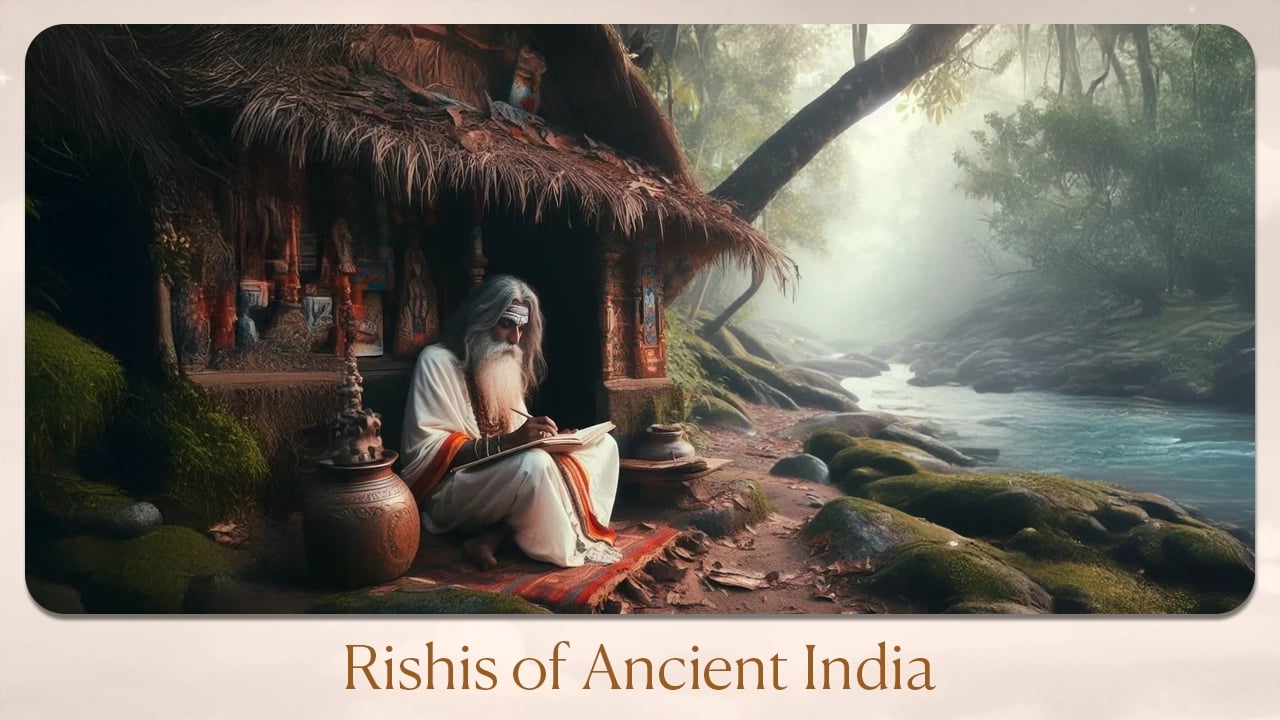
Rishis of Ancient India
Have you ever wondered who the real superheroes of ancient India were? Forget capes and superpowers—think wisdom, spiritual insight, and a connection to the universe that’s almost magical. Welcome to the world of the Rishis of Ancient India, the legendary sages whose astonishing destinies shaped the very soul of Indian civilization. Their stories are not just tales from the past; they’re blueprints for living a meaningful life even today.
Read Also: Understanding Angel Number 0808: Meaning, Abundance Spiritual Guidance
Who Were the Rishis?
Definition and Etymology
The word “Rishi” comes from the Sanskrit root “ṛṣ,” which means “to see” or “to flow.” Rishis were the seers—those who could see beyond the ordinary, tapping into the cosmic truths that govern existence. They weren’t just priests or scholars; they were visionaries, philosophers, poets, and scientists rolled into one. The Rishis of Ancient India are remembered for their ability to bridge the material and the spiritual worlds.
The Role of Rishis in Ancient India
Rishis played a pivotal role in shaping the spiritual and intellectual landscape of ancient India. They were the original thought leaders, guiding kings, composing hymns, and laying the foundations of what we now call Hindu philosophy. The Rishis of Ancient India influenced every sphere of life—from the royal courts to the deepest forests, where they meditated and communed with nature.

The Origins of the Rishis
Mythological Beginnings
According to ancient texts, the Rishis were born from the mind of Brahma, the creator. Some legends say they emerged from the cosmic sound “Om,” while others believe they were self-born, appearing at the dawn of creation to guide humanity.
Historical Evidence
While much of the Rishis’ story is wrapped in myth, archaeological and textual evidence suggests that these sages were real people who lived in ancient India, possibly as early as 1500 BCE. Their teachings were passed down orally for generations before being written down.
The Rishis and the Vedas
Composers of the Vedas
The Rishis are credited with composing the Vedas, the oldest sacred texts of India. These hymns, mantras, and philosophical treatises were “heard” or “seen” by the Rishis during deep meditation—a process called “Shruti,” meaning “that which is heard.”
Transmission of Knowledge
In a world without books or the internet, the Rishis relied on oral tradition. They trained their disciples to memorize and recite the Vedas with perfect accuracy, ensuring that this wisdom survived for thousands of years.
The Seven Great Sages: Saptarishis
Names and Significance
The Saptarishis, or Seven Great Sages, are the most celebrated Rishis in Indian tradition. Their names—Vashistha, Vishwamitra, Atri, Jamadagni, Bharadvaja, Gautama, and Kashyapa—are etched into the very fabric of Indian mythology.
Legends Surrounding the Saptarishis
Each Saptarishi has a story that’s as astonishing as it is inspiring. From creating rivers to mediating cosmic disputes, their deeds are the stuff of legend. They are said to reside in the heavens as the constellation Ursa Major, watching over humanity.
Rishis as Spiritual Scientists
Explorers of Consciousness
Long before modern science, the Rishis were exploring the inner universe. Through meditation, they mapped the mind, discovered the power of breath, and unlocked the secrets of consciousness.
Contributions to Yoga and Meditation
Yoga, as we know it today, owes much to the Rishis. They developed techniques for physical health, mental clarity, and spiritual awakening—tools that are still relevant in our fast-paced world.
Rishis and the Natural World
Living in Harmony with Nature
The Rishis believed that nature was not something to be conquered, but a living, breathing entity to be respected. They lived in forests, surrounded by animals and plants, drawing inspiration from the rhythms of the earth.
Ecological Wisdom
Their teachings on balance, sustainability, and respect for all life are more relevant than ever in today’s age of environmental crisis. The Rishis were the original eco-warriors, advocating for a lifestyle that leaves a gentle footprint on the planet.
Famous Rishis and Their Astonishing Destinies
Vashistha
Vashistha was known for his wisdom and his role as the royal priest to King Dasharatha, father of Lord Rama. His life was marked by miracles, deep philosophical debates, and a commitment to truth.
Vishwamitra
Once a king, Vishwamitra’s journey from a warrior to a sage is legendary. His quest for spiritual power led him to create a parallel universe and even challenge the gods themselves.
Agastya
Agastya is credited with spreading Vedic knowledge to South India. He is also famous for drinking the ocean to expose demons hiding beneath its waves—a metaphor for overcoming obstacles through inner strength.
Bhrigu
Bhrigu is known for his role in creating the Bhrigu Samhita, an ancient astrological text. His insights into karma and destiny continue to fascinate seekers today.
Rishis in Epic Tales
Ramayana
The Ramayana is filled with Rishis who guide, challenge, and bless the heroes. From Valmiki, the author, to Vashistha and Vishwamitra, their presence is felt throughout the epic.
Mahabharata
In the Mahabharata, Rishis like Vyasa (the author), Narada, and others play crucial roles in shaping the destinies of kings and warriors. Their wisdom often serves as a moral compass in times of crisis.
Read Also: Best Astrologer in Alappuzha
The Rishis’ Teachings and Philosophy
Core Values and Ethics
The Rishis emphasized values like truth (Satya), non-violence (Ahimsa), self-control (Tapas), and compassion (Karuna). Their teachings form the ethical backbone of Indian culture.
Influence on Indian Society
From the caste system to rituals, festivals, and daily practices, the Rishis’ influence is everywhere. They laid the groundwork for a society that values knowledge, discipline, and spiritual growth.
Rishis and the Power of Mantras
The Science of Sound
The Rishis believed that sound was a bridge to the divine. Mantras—sacred syllables and phrases—were tools for transformation, capable of healing, protecting, and enlightening the mind.
Mantras in Daily Life
Even today, millions chant mantras for peace, prosperity, and well-being. The Rishis’ discovery of the power of sound continues to resonate across generations.
Women Rishis: The Unsung Seers
Famous Female Rishis
While most stories focus on male sages, ancient texts also mention women Rishis like Gargi, Maitreyi, and Lopamudra. These women were philosophers, poets, and spiritual leaders in their own right.
Their Contributions
Female Rishis contributed hymns to the Vedas, engaged in philosophical debates, and challenged societal norms. Their stories remind us that wisdom knows no gender.
The Legacy of the Rishis Today
Modern Interpretations
Today, the Rishis are seen as symbols of timeless wisdom. Their teachings are being rediscovered by scientists, psychologists, and spiritual seekers around the world.
Continuing Influence
From yoga studios in New York to meditation retreats in Rishikesh, the spirit of the Rishis lives on. Their legacy is a testament to the enduring power of knowledge and self-discovery.
Lessons from the Rishis for Modern Life
Spirituality in the 21st Century
In a world obsessed with speed and technology, the Rishis teach us to slow down, look within, and find meaning beyond material success.
Practical Wisdom
Whether it’s managing stress, building resilience, or finding purpose, the Rishis offer practical tools for living a balanced and fulfilling life.
Conclusion of Rishis of Ancient India
The story of the Rishis of ancient India is more than just a chapter in history—it’s a living tradition that continues to inspire and guide us. Their astonishing destinies remind us that true greatness lies not in power or wealth, but in wisdom, compassion, and the courage to seek the truth. As we navigate the complexities of modern life, the Rishis’ teachings offer a beacon of hope, showing us that the path to fulfillment begins within.
Read Also: Astrology for Turning Career Pressure into Success
FAQs of Rishis of Ancient India
Q1:Who were the Saptarishis and why are they important?
Ans: The Saptarishis are the seven great sages of ancient India, revered for their wisdom and spiritual achievements. They are considered the mind-born sons of Brahma and are credited with composing the Vedas and guiding humanity.
Q2:Did women also become Rishis in ancient India?
Ans: Yes, several women became Rishis, such as Gargi, Maitreyi, and Lopamudra. They contributed to the Vedas and were respected for their philosophical insights.
Q3:How did the Rishis influence modern yoga and meditation?
Ans: The Rishis developed many of the foundational practices of yoga and meditation, focusing on breath control, concentration, and self-realization. Their teachings form the basis of modern spiritual practices.
Q4:Are the stories of the Rishis purely mythological?
Ans: While many stories are wrapped in myth, there is historical evidence that Rishis were real people who lived in ancient India and contributed to its spiritual and intellectual heritage.
Q5:What can we learn from the Rishis today?
Ans: The Rishis teach us the importance of inner growth, ethical living, and harmony with nature. Their wisdom offers practical guidance for leading a balanced and meaningful life in the modern world.
For interesting astrology-related videos, subscribe to us on Youtube