Powerful Spirit: How Many Rishis in Hinduism Revealed
Discover the ultimate truth about how many rishis in Hinduism. Learn their names, significance, and why their faith still inspires millions.

Written by By Hanish Bagga
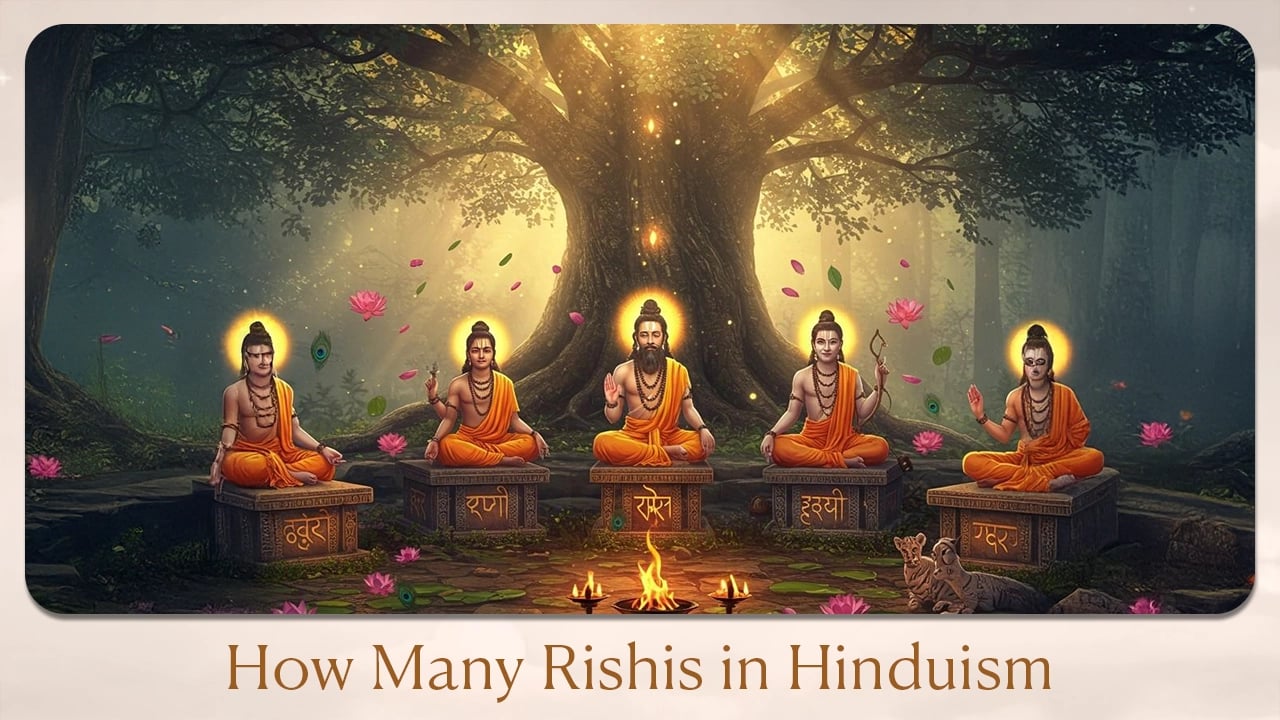
Introduction to How Many Rishis in Hinduism
Have you ever wondered who the real spiritual powerhouses of Hinduism are? The answer lies in the enigmatic figures known as Rishis. These ancient sages are the backbone of Hindu spiritual tradition, revered for their wisdom, discipline, and the profound knowledge they brought to the world. But just how many Rishis are there in Hinduism? Let’s embark on a journey to uncover the secrets of these powerful spirits.
Read Also: Understanding Angel Number 0808: Meaning, Abundance Spiritual Guidance
Who Are Rishis?
Definition and Etymology
The word “Rishi” comes from the Sanskrit root “ṛṣ,” which means “to see” or “to flow.” Rishis are literally “seers”—those who have seen the truth, the cosmic laws, and the mysteries of existence. They are not just wise men; they are visionaries who have experienced the ultimate reality. If one wonders How Many Rishis in Hinduism, the answer often varies depending on tradition and scripture.
Role of Rishis in Hindu Tradition
Rishis are the original spiritual scientists of India. They meditated, observed, and experimented with consciousness itself. Their insights form the foundation of Hindu philosophy, rituals, and scriptures. Without Rishis, there would be no Vedas, no Upanishads, and perhaps, no Hinduism as we know it. In exploring their contributions, the question How Many Rishis in Hinduism naturally arises, reflecting the vastness of their legacy.

The Origin of Rishis
Mythological Beginnings
According to Hindu mythology, Rishis were born from the mind of Brahma, the creator. They are considered “Manasaputras” or mind-born sons, symbolizing their divine origin and their role as intermediaries between gods and humans.
Rishis in the Vedic Age
During the Vedic period, Rishis were the composers and transmitters of the Vedas. They lived in forests, away from society, dedicating their lives to spiritual pursuits. Their ashrams became centers of learning and culture.
Types of Rishis
Not all Rishis are the same. Hinduism classifies them based on their spiritual achievements and roles.
Maharishis
“Maha” means great. Maharishis are the great sages who have attained the highest spiritual knowledge. Think of them as the Einsteins of spirituality.
Brahmarishis
These are Rishis who have realized Brahman, the ultimate reality. They are considered the highest among Rishis, having transcended all worldly attachments.
Rajrishis
Rajrishis are kings who became sages. They balanced worldly duties with spiritual wisdom, showing that enlightenment is possible even amidst responsibilities.
Devarishis
Devarishis are celestial sages, often considered to have divine qualities and the ability to move between the worlds of gods and humans.
The Saptarishis: The Seven Great Sages
Who Are the Saptarishis?
The Saptarishis are the seven most revered sages in Hinduism. They are like the “Big Dipper” of the spiritual sky, guiding humanity through the ages.
Names and Stories of the Saptarishis
The names of the Saptarishis vary across texts, but the most commonly mentioned are:
- Atri
- Bhrigu
- Kutsa
- Vashistha
- Gautama
- Kashyapa
- Angiras
Each of these sages has fascinating stories. For example, Vashistha was the royal priest of the Ikshvaku dynasty, while Kashyapa is considered the father of many creatures.
Other Prominent Rishis in Hinduism
Veda Vyasa
Vyasa is credited with compiling the Vedas and writing the Mahabharata. His intellect and spiritual insight are legendary.
Valmiki
The author of the Ramayana, Valmiki’s transformation from a highway robber to a sage is a tale of redemption and spiritual awakening.
Vashistha
Apart from being a Saptarishi, Vashistha is known for his debates with King Vishwamitra and his role as a royal guru.
Agastya
Agastya is famous for bringing Vedic knowledge to South India and for his miraculous feats, like drinking the ocean.
How Many Rishis Are There in Hinduism?
Counting the Rishis: Myth vs. Reality
So, how many Rishis are there? The answer isn’t straightforward. While the Saptarishis are the most famous, Hindu scriptures mention hundreds, even thousands, of Rishis. The Rigveda alone lists over 400 Rishis, both male and female, as composers of its hymns.
Rishis in Different Yugas
Hinduism believes in cycles of time called Yugas. In each Yuga, the names and numbers of Rishis change. For example, the Saptarishis of the current Manvantara (cosmic cycle) are different from those in previous cycles. This means the number of Rishis is both fixed and fluid, depending on the era.
Read Also: Best Astrologer in Adilabad
Rishis and the Revelation of Knowledge
Rishis as Seers of the Vedas
Rishis didn’t “write” the Vedas; they “saw” them. The Vedas are considered “apauruṣeya,” meaning not of human origin. Rishis are the mediums through whom this divine knowledge flowed into the world.
Transmission of Spiritual Wisdom
Rishis passed on their wisdom orally, through generations. Their teachings became the bedrock of Hindu philosophy, yoga, and meditation.
The Legacy of Rishis in Modern Times
Influence on Contemporary Spirituality
Even today, the teachings of Rishis influence yoga, meditation, and spiritual practices worldwide. Modern gurus often trace their lineage back to these ancient sages.
Rishis in Popular Culture
From movies to literature, Rishis are depicted as wise, mystical figures. Their stories continue to inspire and captivate audiences.
Rishis and the Power of Tapasya (Austerity)
Stories of Tapasya
Rishis are known for their intense penance, or tapasya. Through years of meditation and self-discipline, they gained spiritual powers and insights that seem almost superhuman.
Miracles and Powers (Siddhis)
Many Rishis are said to have developed siddhis, or supernatural abilities, such as levitation, mind-reading, and even controlling the elements. These stories, while fantastical, symbolize the heights of human potential.
Women Rishis: The Rishikas
Famous Female Sages
Hinduism also honors women Rishis, known as Rishikas. Names like Lopamudra, Gargi, and Maitreyi stand out as examples of female spiritual power.
Their Contributions
Rishikas composed hymns, debated philosophy, and contributed to the spiritual discourse, proving that wisdom knows no gender.
Rishis and the Concept of Dharma
Rishis are often portrayed as upholders of dharma, the cosmic law. Their lives exemplify righteousness, truth, and the pursuit of higher knowledge.
Rishis in Hindu Scriptures
Mentions in the Vedas
The Vedas are full of references to Rishis, both as composers and as characters in spiritual narratives.
Mentions in the Upanishads and Puranas
The Upanishads and Puranas expand on the lives and teachings of Rishis, offering deeper philosophical insights and colorful stories.
Lessons from the Lives of Rishis
What can we learn from the Rishis? Their lives teach us the value of discipline, the importance of seeking truth, and the power of inner transformation. They remind us that spiritual greatness is within reach for anyone willing to walk the path.
Conclusion of How Many Rishis in Hinduism
The Rishis of Hinduism are more than just historical or mythological figures—they are timeless symbols of human potential. Their wisdom continues to light the way for seekers around the world. Whether you see them as ancient sages or as archetypes of spiritual power, the Rishis remind us that the journey to truth is open to all. So, How Many Rishis in Hinduism? The real answer is: as many as there are seekers willing to look within.
Read Also: Astrology for Turning Career Pressure into Success
FAQs of How Many Rishis in Hinduism
Q1:Who are the Saptarishis in Hinduism?
Ans: The Saptarishis are the seven great sages—Atri, Bhrigu, Kutsa, Vashistha, Gautama, Kashyapa, and Angiras—who are considered the primary seers of the Vedic hymns.
Q2:Are there female Rishis in Hinduism?
Ans: Yes, Hinduism recognizes several female Rishis, known as Rishikas, such as Lopamudra, Gargi, and Maitreyi, who contributed to the Vedic scriptures.
Q3:Did Rishis have supernatural powers?
Ans: Many stories attribute supernatural powers, or siddhis, to Rishis, gained through intense meditation and austerity. These powers symbolize the heights of spiritual achievement.
Q4:How did Rishis transmit their knowledge?
Ans: Rishis passed down their wisdom orally, through generations of disciples, which later became the foundation of Hindu scriptures.
Q5:Can anyone become a Rishi today?
Ans: While the title “Rishi” is traditionally reserved for ancient sages, anyone dedicated to spiritual practice, self-realization, and the pursuit of truth can walk the path of the Rishis.
For interesting astrology-related videos, subscribe to us on Youtube