Ultimate Faith: Vidyarambh Muhurat Guide for You
Experience the powerful spirit of Vidyarambh Muhurat. Actually know the right rituals and expert tips for your child’s bright future.

Written by By Hanish Bagga
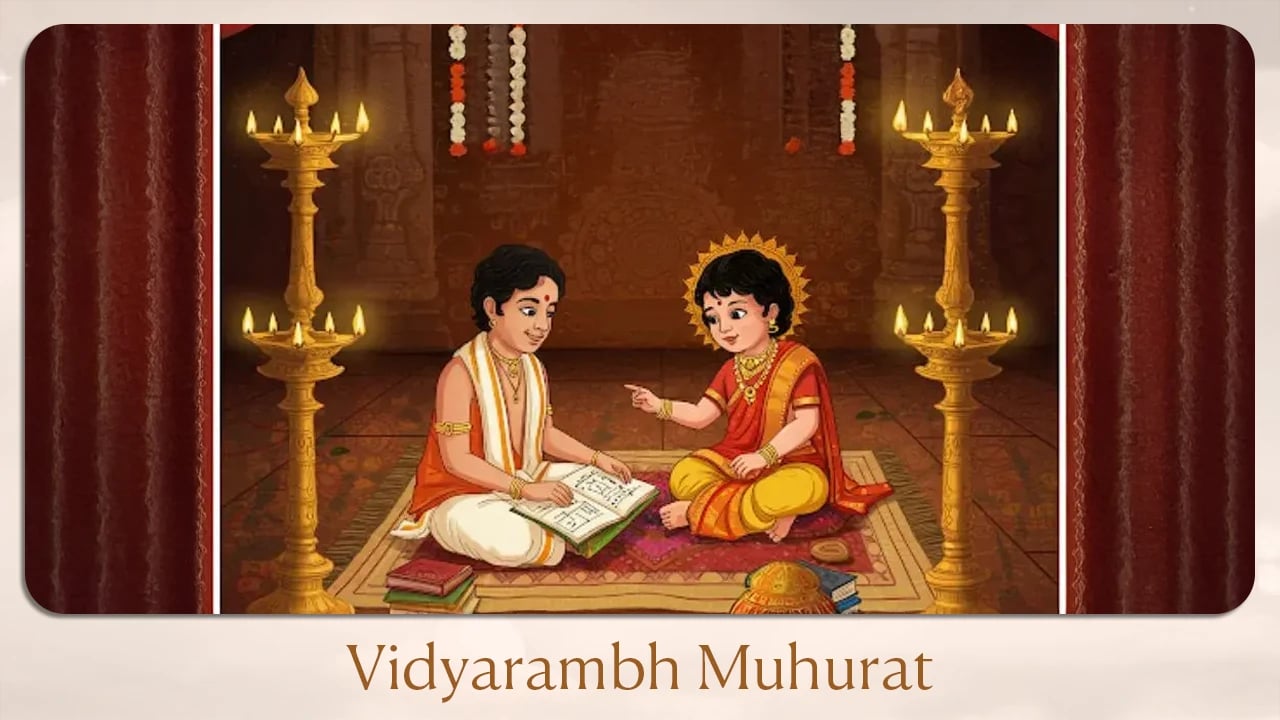
Introduction to Vidyarambh Muhurat
Are you ready to embark on your child’s educational journey with the blessings of tradition and faith? The Vidyarambh Muhurat is more than just a ceremony—it’s a heartfelt ritual that marks the beginning of learning, blending ancient wisdom with modern aspirations.
Read Also: Vargottama Planet and your Potential in Life
What is Vidyarambh Muhurat?
Meaning and Significance
Vidyarambh, literally translating to “beginning of education,” is a sacred Hindu ritual performed to initiate a child into the world of learning. The word “Vidya” means knowledge, and “Arambh” means commencement. This ceremony is not just about writing the first letter; it’s about invoking divine blessings for a lifetime of wisdom and success.
Historical Roots
The tradition of Vidyarambh dates back centuries, with references in ancient scriptures like the Vedas and Puranas. It was believed that starting education at an auspicious time would ensure the child’s intellectual growth and moral development.
Read Also: Unlocking the Secrets of Mulank Numbers for Perfect Compatibility
Why is Vidyarambh Muhurat Important?
Spiritual and Cultural Value
Vidyarambh is more than a ritual—it’s a spiritual milestone. It’s believed that performing this ceremony at the right muhurat (auspicious time) invites the blessings of Goddess Saraswati, the deity of knowledge and arts. This act is a way for parents to express their hopes and dreams for their child’s future.
Read Also: Understanding Angel Number 0808: Meaning, Abundance Spiritual Guidance
The Science Behind Auspicious Timings
Role of Astrology in Vidyarambh
Astrology plays a pivotal role in determining the right muhurat. The alignment of planets, stars, and lunar phases are carefully considered to select a time that’s believed to be most beneficial for the child.
How Muhurat is Calculated
Priests or astrologers analyze the child’s birth chart, the lunar calendar, and planetary positions. Factors like Tithi (lunar day), Nakshatra (constellation), and weekday are all taken into account to find the most auspicious moment.
Read Also: Best Astrologer In Nagpur
When is the Best Time for Vidyarambh?
Popular Months and Dates
Traditionally, Vidyarambh is performed during the months of Vasant Panchami (January-February) and Akshaya Tritiya (April-May), both considered highly auspicious for new beginnings. However, the exact date varies based on the child’s horoscope and family traditions.
Regional Variations
Different regions in India have their own preferred timings. For instance, in Kerala, Vidyarambham is celebrated on Vijayadashami, while in Bengal, Saraswati Puja is a popular occasion.

Essential Rituals of Vidyarambh Ceremony
Preparations Before the Ceremony
Preparation is key! The house is cleaned, a sacred space is set up, and all necessary items are gathered. Parents often consult a priest to ensure every detail is in place.
Step-by-Step Ritual Process
- The child is bathed and dressed in new clothes.
- A prayer is offered to Lord Ganesha and Goddess Saraswati.
- The child is seated on the lap of a parent or guru.
- Using a golden ring or turmeric, the first letters (often “Om” or “Aum”) are written on a plate of rice or a slate.
- Blessings are sought from elders and the priest.
Who Should Perform Vidyarambh?
Role of Parents and Gurus
Traditionally, the father or a respected guru guides the child’s hand during the first writing. This act symbolizes the transfer of knowledge and values.
Involvement of Family Members
The ceremony is a family affair, with grandparents, siblings, and close relatives participating and showering the child with blessings and gifts.
Traditional Tools and Materials Used
Sacred Items and Their Meanings
Key items include:
- Rice or sand (symbolizing purity and a blank slate)
- Turmeric or sandalwood paste (for auspiciousness)
- Golden or silver ring (for writing)
- Flowers and fruits (offerings to deities)
Conclusion of Vidyarambh Muhurat
The Vidyarambh Muhurat is a beautiful blend of faith, tradition, and hope. It’s a day when families come together to celebrate the start of a child’s educational journey, seeking divine blessings for wisdom and success. Whether you follow every ritual to the letter or adapt the ceremony to fit your lifestyle, the essence remains the same: a heartfelt wish for your child’s bright future. So, embrace the tradition, add your unique touch, and make your child’s Vidyarambh a cherished memory for years to come.
FAQs of Vidyarambh Muhurat
Q1.What is the ideal age for Vidyarambh Muhurat?
Ans: The ideal age is typically between 2 and 5 years, but it can vary based on family tradition and the child’s readiness.
Q2.Can Vidyarambh be performed at home?
Ans: Absolutely! Many families conduct the ceremony at home, especially with the guidance of a priest or elder.
Q3.Is it necessary to consult an astrologer for the muhurat?
Ans: While not mandatory, consulting an astrologer ensures you choose the most auspicious time for the ceremony.
Q4.What if we miss the suggested muhurat date?
Ans: Don’t worry! You can perform the ceremony on another auspicious day. The intention and faith matter most.
Q5.Can non-Hindus participate in Vidyarambh?
Ans: Yes, the ceremony is about celebrating the start of learning. Anyone who values education and tradition can participate or adapt the ritual to their beliefs.
For interesting astrology-related videos, subscribe to us on Youtube