Annaprashan Muhurat: Exclusive, Uplifting Advice for Parents
Make your child’s Annaprashan Muhurat powerful and jubilant! Find rituals, expert advice, and auspicious timings for a truly celebration.

Written by By Hanish Bagga
Introduction to Annaprashan Muhurat
Are you a parent eagerly awaiting your baby’s first taste of solid food? If so, you’re about to embark on a beautiful journey called Annaprashan. This ancient Indian ceremony is more than just a ritual—it’s a celebration of growth, tradition, and family. In this guide, we’ll walk you through everything you need to know about Annaprashan Muhurat, from choosing the perfect date to making the day unforgettable for your little one.
Read Also: Vargottama Planet and your Potential in Life
What is Annaprashan Muhurat?
Annaprashan Muhurat refers to the auspicious timing for performing the Annaprashan ceremony, where a baby is fed solid food for the first time. The word “Annaprashan” comes from Sanskrit, meaning “grain initiation.” It’s a significant milestone, marking your child’s transition from a milk-only diet to solid foods.
The Significance of Annaprashan in Indian Culture
Why is Annaprashan so important? In Indian culture, food is not just sustenance—it’s a blessing. The ceremony is believed to invoke divine blessings for the child’s health, growth, and prosperity. It’s also a way for families to come together and celebrate a new chapter in the baby’s life.
When is Annaprashan Performed?
Timing is everything! Annaprashan is typically performed when the baby is between six months and one year old. For boys, it’s often done in the sixth or eighth month, while for girls, the fifth or seventh month is preferred. However, these are guidelines, and the actual date may vary based on family customs and the baby’s health.
Read Also: Unlocking the Secrets of Mulank Numbers for Perfect Compatibility
How to Choose the Right Annaprashan Muhurat
Choosing the right muhurat (auspicious time) is crucial for a successful ceremony. Here’s how you can do it:
Astrological Considerations
Many families consult an astrologer or priest to determine the most favorable date and time. Factors like the baby’s birth chart, planetary positions, and lunar calendar are considered to ensure positive energy and blessings.
Family Traditions and Customs
Don’t forget to honor your family’s unique traditions. Some families have specific customs or dates that hold special meaning. Blending astrology with tradition can make the ceremony even more meaningful.
Read Also: Understanding Angel Number 0808: Meaning, Abundance Spiritual Guidance
Annaprashan Ceremony: Step-by-Step Guide
Ready to plan the big day? Here’s a simple guide to help you organize a smooth and joyful Annaprashan.
Preparations Before the Ceremony
Start by choosing a comfortable venue—your home or a temple are popular choices. Prepare a guest list, send out invitations, and arrange for decorations, music, and food. Don’t forget to set up a special seat or high chair for your baby!
The Rituals Involved
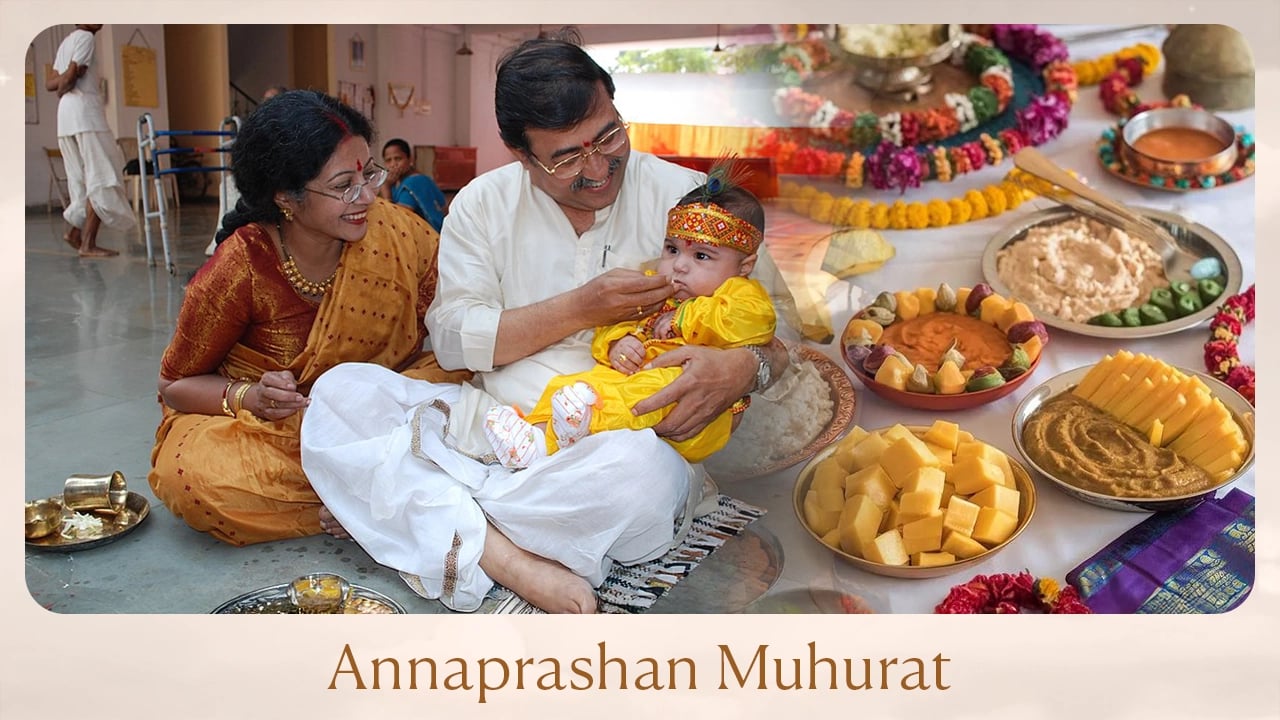
The ceremony usually begins with prayers and blessings from elders. The baby is dressed in new clothes and placed on the lap of a chosen family member, often the maternal uncle. The first morsel of solid food—usually rice pudding (kheer) or mashed rice—is offered to the baby, followed by other family members taking turns.
Read Also: Best Astrologer in Varanasi
Traditional Foods for Annaprashan
What should you feed your baby during Annaprashan? Let’s explore the options.
First Foods: What to Offer
Traditionally, soft and easily digestible foods like rice pudding, mashed rice, or ghee-laced lentils are offered. These foods are gentle on the baby’s tummy and symbolize prosperity and nourishment.
Foods to Avoid
Avoid spicy, salty, or hard-to-digest foods. Steer clear of nuts, honey, and cow’s milk, as these can cause allergies or digestive issues in infants.
Modern Twists on Annaprashan
Want to add a personal touch? Here’s how you can modernize the ceremony while keeping its essence intact.
Tips for a Memorable Annaprashan Ceremony
Want to make the day unforgettable? Here are some tips:
- Keep the guest list intimate for a cozy atmosphere.
- Choose a time when your baby is well-rested and happy.
- Prepare a keepsake, like a handprint or a personalized bib.
- Hire a photographer or ask a friend to capture candid moments.
- Share the story of Annaprashan with your guests to make the event more meaningful.

Cultural Variations Across India
Annaprashan is celebrated differently across regions. Let’s take a quick tour!
North Indian Traditions
In North India, the ceremony is often called “Choroonu” and is performed in temples. The baby is fed rice pudding, and the event is marked by music and dance.
South Indian Traditions
In South India, Annaprashan is known as “Annaprasana” or “Mottai Onnu.” The ceremony is usually held at home or in temples, with elaborate rituals and a feast for guests.
East and West Indian Practices
Bengalis call it “Mukhe Bhaat,” and it’s a grand affair with traditional foods and music. In Western India, the ceremony is more intimate, focusing on prayers and blessings.
The Emotional Impact on Parents and Family
Annaprashan is an emotional milestone. For parents, it’s a moment of pride and joy, symbolizing their baby’s growth. Grandparents and relatives feel a deep sense of connection, passing on traditions to the next generation.
Conclusion of Annaprashan Muhurat
Annaprashan Muhurat is more than just a date on the calendar—it’s a heartfelt celebration of your baby’s journey into the world of flavors and family traditions. By choosing the right muhurat, honoring customs, and adding your personal touch, you can create a ceremony that’s both meaningful and memorable. Remember, it’s not about perfection—it’s about love, blessings, and the joy of watching your little one take their first bite. Here’s to a happy, healthy, and blessed Annaprashan for your family!
FAQs of Annaprashan Muhurat
Q1.What is the best age for Annaprashan?
Ans: The ideal age is between six months and one year, depending on your baby’s readiness and family traditions.
Q2.Can Annaprashan be performed at home?
Ans: Absolutely! Many families choose to celebrate at home for comfort and convenience.
Q3.What foods are traditionally offered during Annaprashan?
Ans: Soft, easily digestible foods like rice pudding, mashed rice, or lentil soup are common choices.
Q4.Is it necessary to consult an astrologer for the muhurat?
Ans: While it’s a common practice, it’s not mandatory. You can choose a date that feels right for your family.
Q5.How can I make Annaprashan memorable for my baby?
Ans: Personalize the ceremony, keep it intimate, and capture the moments with photos and keepsakes. Most importantly, enjoy the day with your loved ones!
For interesting astrology-related videos, subscribe to us on Youtube