Last Day of Pitru Paksha – Importance, Rituals & Blessings
Explore the significance of the last day of Pitru Paksha. Learn about Shraddha rituals, offerings, and prayers performed to honor ancestors.

Written by By Hanish Bagga
last day of pitru paksha
Have you ever wondered about the invisible threads that connect us to our ancestors? The last day of Pitru Paksha, also known as the fortnight of the forefathers, holds deep spiritual significance and is considered one of Hinduism's most profound observances. This sacred period, lasting 16 days, serves as a bridge between the living and the departed souls of our lineage.
Read Also: Understanding Angel Number 0808: Meaning, Abundance Spiritual Guidance
Understanding the Last Day of Pitru Paksha
The culmination of Pitru Paksha arrives with tremendous spiritual significance. Think of it as the grand finale of a symphony dedicated to our ancestors. This final day isn't just another date on the calendar—it's considered the most auspicious time to honor all departed souls, regardless of their death anniversary.
What is Mahalaya Amavasya?
Mahalaya Amavasya, falling on the new moon day, marks the conclusion of Pitru Paksha. This day holds special importance because it's believed that on this particular Amavasya, all departed souls collectively visit the earthly realm to receive offerings from their descendants. It's like hosting a spiritual reunion where the veil between worlds becomes thinnest.
Historical and Mythological Background
According to ancient Hindu scriptures, particularly the Garuda Purana and Brahma Purana, this tradition dates back thousands of years. The legend speaks of Karna from the Mahabharata, who upon reaching the afterlife, realized the importance of feeding ancestors. When he returned to earth for 16 days to perform these rituals, the concept of Pitru Paksha was established.

Religious Significance of the Final Day
Why does this last day carry such weight? The answer lies in Hindu cosmology, which teaches that our ancestors' blessings directly influence our prosperity, health, and spiritual growth. The final day of Pitru Paksha is considered equivalent to performing rituals for all 16 days combined. It's like getting a spiritual bulk discount with maximum benefits!
Read Also: Vargottama Planet and your Potential in Life
Key Rituals Performed on the Last Day
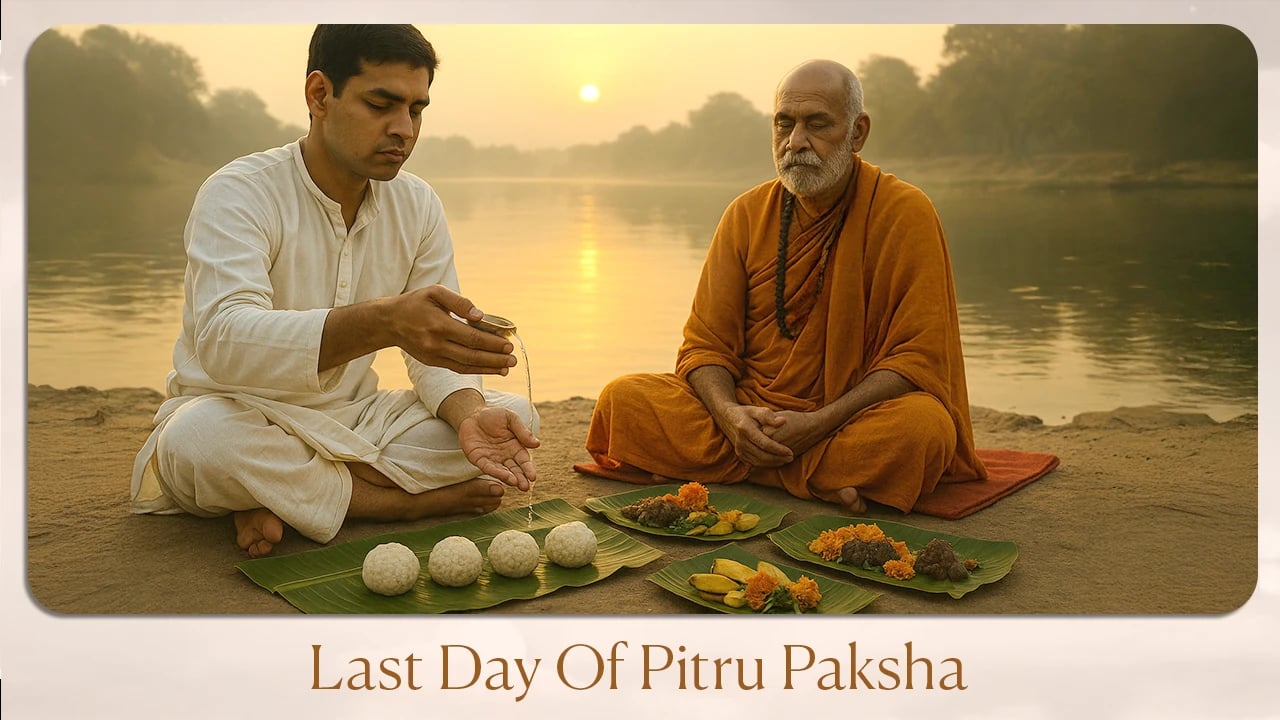
The rituals on Mahalaya Amavasya are both elaborate and deeply meaningful. Devotees wake up before dawn, take a holy bath, and begin the day with prayers. The primary ceremony involves preparing specific food offerings called 'Pind Daan'—rice balls mixed with sesame seeds, barley, and other sacred ingredients.
Read Also: Astrology for Turning Career Pressure into Success
Pitra Dosh Nivaran - Removing Ancestral Afflictions
Many people observe this day specifically for Pitra Dosh Nivaran—the removal of ancestral afflictions. According to Vedic astrology, when ancestors remain unsatisfied due to improper last rites or neglect, it can create obstacles in descendants' lives. The last day of Pitru Paksha offers a powerful opportunity to resolve these spiritual debts.
Traditional Offerings and Donations
What makes an offering truly meaningful? It's not just about the material aspect but the devotion behind it. Traditional offerings include cooked rice, lentils, vegetables, and sweets. Many families also donate clothes, food grains, and money to priests and the underprivileged, believing that such acts of charity reach their ancestors in the spiritual realm.
Tarpan Ceremony - The Sacred Water Ritual
The Tarpan ceremony forms the heart of the day's observances. Performed near rivers, lakes, or even at home, devotees offer water mixed with sesame seeds while chanting specific mantras. Each handful of water carries prayers and gratitude to three generations of ancestors on both maternal and paternal sides.
Read Also: Best Astrologer for Match-Making in Panchkula
Do's and Don'ts on the Last Day
Certain guidelines enhance the day's spiritual effectiveness. Do maintain cleanliness, wear clean clothes, and approach rituals with genuine devotion. Don't consume alcohol, non-vegetarian food, or engage in arguments. It's about creating a pure, harmonious environment that attracts positive spiritual energy.
Conclusion of last day of pitru paksha
The last day of Pitru Paksha represents more than ritualistic observance—it's about honoring our roots, expressing gratitude, and maintaining the eternal bond with our ancestors. Whether you follow elaborate traditional ceremonies or simple heartfelt prayers, the essence remains the same: remembering those who came before us and seeking their continued blessings for our journey ahead. This sacred day reminds us that we're part of an unbroken chain of existence, where each link matters. By observing these rituals with sincerity and devotion, we not only honor our ancestors but also create positive karma for future generations.
FAQs of last day of pitru paksha
Q1.Can I perform Pitru Paksha rituals if I don't know my ancestors' death dates?
Ans: Yes, absolutely! The last day of Pitru Paksha (Mahalaya Amavasya) is specifically meant for honoring all ancestors collectively, regardless of their individual death anniversaries. This day covers everyone in your lineage.
Q2.What if I cannot visit a holy river for Tarpan ceremony?
Ans: You can perform Tarpan at home using a copper vessel filled with clean water. The key is devotion and proper mantras, not necessarily the location. Many people successfully perform these rituals at home with equal spiritual benefits.
Q3.Is it necessary to fast on the last day of Pitru Paksha?
Ans: While fasting isn't mandatory, many people observe partial fasts, eating only once after completing the rituals. However, elderly people, pregnant women, and those with health conditions should prioritize their well-being over strict fasting rules.
Q4.Can women perform Pitru Paksha rituals?
Ans: Yes, women can and should participate in ancestral worship. While some orthodox traditions may have restrictions, the spiritual essence of honoring ancestors transcends gender boundaries. Women can perform these rituals with equal devotion and effectiveness.
Q5.What's the difference between daily Pitru Paksha observance and the last day rituals?
Ans: Daily observances during Pitru Paksha typically honor specific ancestors based on their death dates. The last day (Mahalaya Amavasya) is comprehensive, covering all ancestors collectively. It's considered equivalent to performing rituals for the entire fortnight, making it especially significant for those who couldn't observe daily rituals.
For interesting astrology-related videos, subscribe to us on Youtube