Importance of Shradh – Meaning, Rituals & Spiritual Benefits
Understand the importance of Shradh in Hindu tradition. Explore its meaning and spiritual benefits of honoring ancestors to receive blessings.

Written by By Hanish Bagga
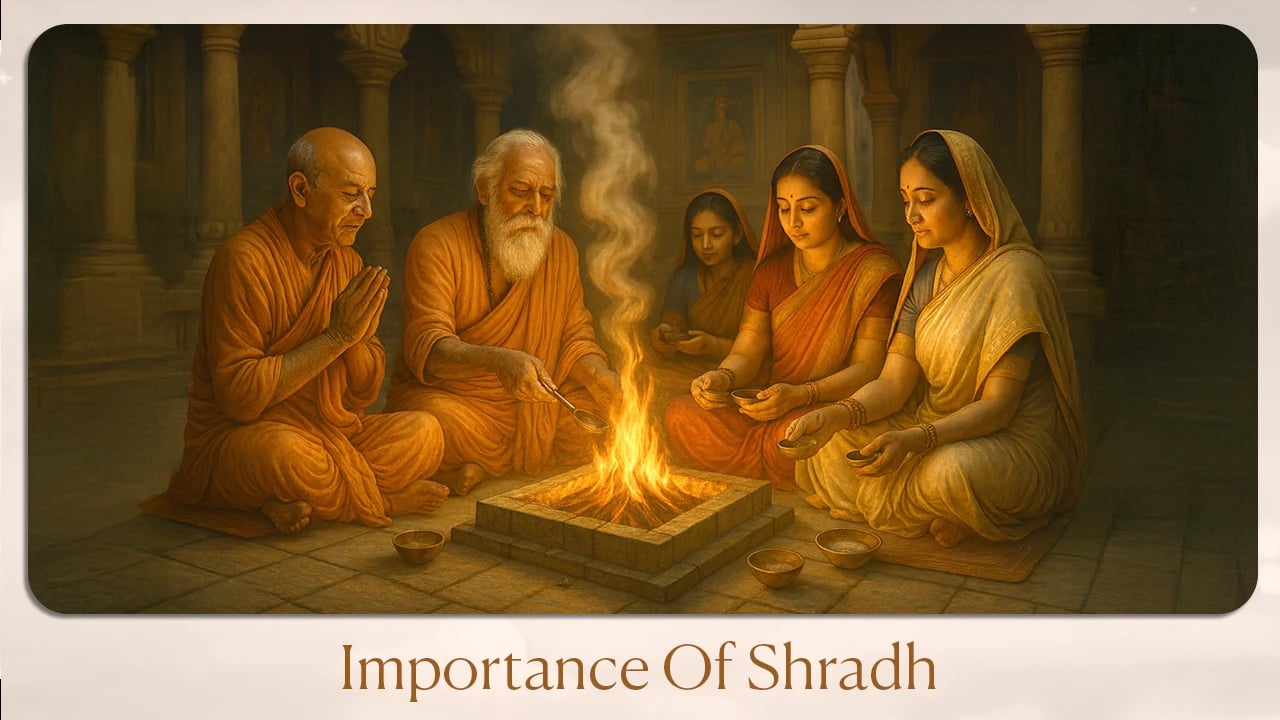
Importance of shradh
Have you ever wondered about the invisible threads that connect us to our ancestors? In Hindu tradition, the importance of shradh lies in honoring spiritual bonds with ancestors, as these connections go beyond memories and are nurtured through sacred rituals.Let's explore this profound practice that has sustained families across generations.
Read Also: Understanding Angel Number 0808: Meaning, Abundance Spiritual Guidance
What is Shradh?
Definition and Meaning
Shradh, derived from the Sanskrit word "Shraddha" meaning faith and devotion, represents one of Hinduism's most sacred rituals. It's essentially a ceremony performed to honor deceased ancestors and ensure their spiritual well-being in the afterlife. Think of it as a spiritual bridge connecting two worlds – the living and the departed.
This ancient practice isn't just about remembering the dead; it's about actively participating in their ongoing spiritual journey. When we perform Shradh, we're essentially saying, "We haven't forgotten you, and we're here to help."
Origins in Hindu tradition
The roots of Shradh stretch back thousands of years to the Vedic period. Ancient texts like the Garuda Purana and Brahma Purana extensively describe these rituals, establishing them as fundamental duties for every Hindu household. Our ancestors understood something profound: death isn't an end but a transition, and the living have responsibilities toward those who've moved on.

The Historical Context of Ancestor Worship
Ancient Vedic Traditions
In Vedic times, ancestor worship wasn't optional – it was as essential as breathing. The concept of "Pitru Rina" or debt to ancestors formed one of the three fundamental debts every person carried. This wasn't about guilt; it was about gratitude and continuity.
The Rig Veda mentions offerings to departed souls, while later texts like the Manusmriti codified these practices into detailed rituals. Our forefathers believed that neglecting ancestors could bring misfortune, while honoring them brought prosperity and peace.
Evolution Through Centuries
Over millennia, Shradh rituals have adapted to changing times while maintaining their core essence. What began as elaborate Vedic ceremonies has evolved into more accessible forms, allowing families to honor ancestors even in modern urban settings.
Read Also: Vargottama Planet and your Potential in Life
When is Shradh Performed?
Pitru Paksha Period
The most significant time for Shradh is during Pitru Paksha, a 16-day period typically falling in September-October. During these days, it's believed that ancestors descend to Earth, making it easier for their souls to receive offerings and blessings.
But here's something interesting – Shradh isn't limited to this period alone. Many families perform monthly rituals on the lunar date corresponding to their ancestor's death anniversary.
Annual Observance Dates
Each family maintains its own calendar of Shradh dates based on when their loved ones passed away. These personal observances create a rhythm of remembrance throughout the year, ensuring ancestors remain connected to family consciousness.
Read Also: Astrology for Turning Career Pressure into Success
The Spiritual Significance of Shradh
Connection Between Living and Departed Souls
Ever felt your grandmother's presence during difficult times? Hindu philosophy suggests these aren't just comforting thoughts – they're real spiritual connections. Shradh rituals strengthen these bonds, creating channels through which ancestral wisdom and blessings can flow.
The ceremony acknowledges that consciousness survives physical death and that departed souls can influence the living world. It's like maintaining a cosmic phone line with those who've gone before us.
Karmic Implications
From a karmic perspective, Shradh serves dual purposes. It helps ancestors resolve any remaining earthly attachments while generating positive karma for the living family members. Think of it as a spiritual win-win situation where everyone benefits from acts of devotion and remembrance.
Read Also: Best Astrologer for Match-Making in Palakkad
Types of Shradh Rituals
Nitya Shradh
Nitya Shradh refers to daily offerings made to ancestors. These simple rituals might involve offering water, lighting incense, or reciting prayers. It's the spiritual equivalent of saying "good morning" to your ancestors every day.
Ekodishta Shradh
This special ritual is performed for someone who died recently, usually within the first year after death. Ekodishta Shradh helps the newly departed soul transition smoothly from the physical to the spiritual realm.
Special Occasion Shradh
Certain life events – marriages, childbirth, or major achievements – call for special Shradh ceremonies. These rituals invite ancestral blessings for new beginnings and important milestones.
Essential Elements of Shradh Ceremony
Sacred Offerings (Pind Daan)
Pind Daan involves offering rice balls to ancestors, symbolically providing sustenance for their spiritual bodies. These aren't random gestures – each element has deep symbolic meaning rooted in ancient understanding of spiritual needs.
The rice balls represent the spiritual body that souls inhabit after death, while the ritual feeding satisfies their subtle hunger for connection and care.
Food Preparations and Donations
Traditional Shradh involves preparing the deceased person's favorite foods and offering them before distributing to Brahmins or the needy. This practice transforms personal grief into community service, spreading positive energy while honoring ancestors.
Benefits of Performing Shradh
Spiritual Benefits for Ancestors
Regular Shradh rituals are believed to provide spiritual nourishment to departed souls, helping them progress on their post-mortem journey. It's like sending care packages to loved ones who've moved to a distant place.
Blessings for Living Descendants
Satisfied ancestors supposedly shower blessings on their living descendants, bringing prosperity, health, and happiness. While skeptics might question this, many families report positive changes after resuming neglected Shradh practices.
Conclusion of Importance of shradh
The importance of Shradh extends far beyond religious obligation – it represents humanity's eternal quest to maintain connections with those we love, even after death. These ancient rituals offer profound wisdom about death, continuity, and the responsibilities we bear toward both ancestors and descendants.Whether you approach Shradh from a spiritual, psychological, or cultural perspective, its value lies in fostering gratitude, maintaining family bonds, and processing life's ultimate mystery – death itself. In our fast-paced modern world, taking time to honor those who came before us provides grounding and perspective that enriches our lives immeasurably.
FAQs of Importance of shradh
Q1.Can Shradh be performed by women?
Ans: Yes, while traditional texts emphasized male roles, modern interpretations and contemporary Hindu scholars increasingly recognize women's equal capacity to perform Shradh rituals for their ancestors.
Q2.What happens if we don't perform Shradh rituals?
Ans: According to Hindu belief, neglecting Shradh may leave ancestors spiritually unsatisfied, potentially affecting family harmony and prosperity. However, sincere remembrance and respect can be more important than elaborate rituals.
Q3.Can Shradh be performed outside India?
Ans: Absolutely. Shradh rituals can be performed anywhere in the world. The key elements are devotion and proper intention rather than specific geographical locations.
Q4.How long should Shradh rituals continue after someone's death?
Ans: Traditional practice suggests continuing Shradh indefinitely, with annual observances on death anniversaries and during Pitru Paksha. However, the intensity and frequency may vary based on family circumstances.
Q5.What's the minimum requirement for a valid Shradh ceremony?
Ans: The essential elements include sincere intention, offering water to ancestors, and some form of food donation or sharing. Elaborate rituals are beneficial but not mandatory for meaningful Shradh observance.
For interesting astrology-related videos, subscribe to us on Youtube