How to Make Your Own Ganpati Idol for Ganesh Chaturthi 2025
Create a beautiful, eco-friendly Own Ganpati Idol for Ganesh Chaturthi with this step-by-step guide for all ages.

Written by By Hanish Bagga
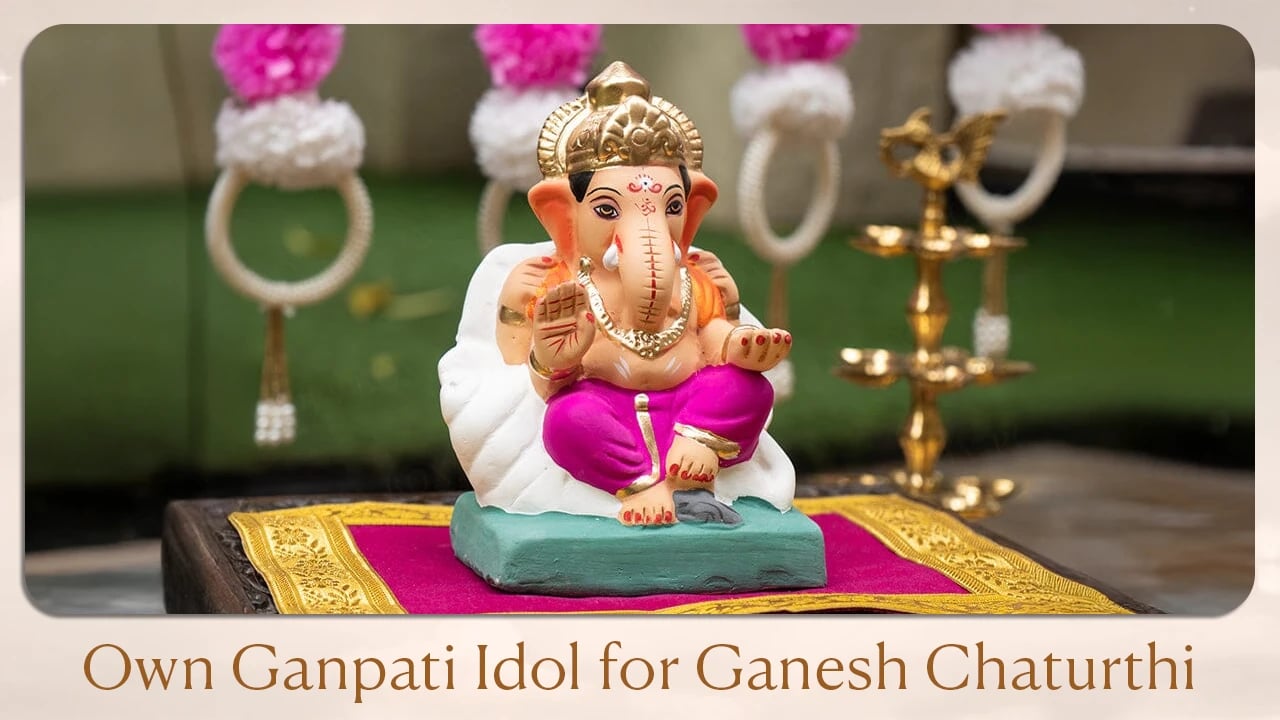
Introduction to Ganpati Idol for Ganesh Chaturthi
Ganesh Chaturthi is one of the most vibrant and beloved festivals in India, celebrated with immense devotion and joy. It marks the birth of Lord Ganesha, the remover of obstacles and the god of wisdom. Every year, families welcome Ganpati Bappa into their homes with grand processions, prayers, and, of course, beautifully crafted idols. But have you ever thought about making your own Ganpati idol? Not only does it add a personal touch to your celebration, but it also helps protect the environment. Let’s dive into how you can create your own Ganpati idol for Ganesh Chaturthi 2025!
Read Also: Best Astrologer for Match-Making in Arunachal Pradesh
Why Make Your Own Ganpati Idol?
Personal Connection and Creativity
When you craft your own Ganpati idol, you infuse it with your love, creativity, and devotion. It becomes more than just a ritual—it’s a heartfelt offering. Plus, it’s a fantastic way to express your artistic side!
Environmental Benefits
Most store-bought idols are made from Plaster of Paris and painted with chemical colors, which harm our rivers and lakes during immersion. By making your own idol with eco-friendly materials, you’re taking a big step towards a greener planet.
Materials Needed
Before you start, gather all the materials you’ll need. Here’s a handy checklist:
- Eco-friendly clay (Shadu, natural clay, or homemade clay)
- Water
- Rolling pin
- Sculpting tools (or household items like spoons and toothpicks)
- Natural, non-toxic paints (like watercolors or plant-based dyes)
- Brushes
- Old newspapers or a plastic sheet (to protect your workspace)
- Small bowl for water
- Decorative items (turmeric, rice, flowers, fabric scraps)
Read Also: Best Astrologer for Match-Making in Allahabad
Choosing the Right Clay
Types of Clay
- Shadu Clay: Traditionally used in Maharashtra, it’s natural and dissolves easily in water.
- Natural Clay: Readily available and safe for the environment.
- Homemade Clay: You can make your own using flour, salt, and water for a fun DIY twist.
Where to Source Eco-Friendly Clay
Check local art stores, online marketplaces, or community workshops. Many cities now offer eco-friendly clay kits specifically for Ganesh Chaturthi.
Preparing Your Workspace
A little preparation goes a long way! Cover your table with old newspapers or a plastic sheet to keep things tidy. Keep a bowl of water handy to smooth the clay. Make sure your tools are within reach, and wear old clothes—you might get a bit messy!
Safety Tips
- Wash your hands before and after working with clay.
- Keep sharp tools away from young children.
- Work in a well-ventilated area.
Read Also: Best Astrologer for Match-Making in Allahabad
Designing Your Ganpati Idol
Deciding on Size and Posture
Think about where you’ll place your idol. A small, simple idol is perfect for home celebrations. Decide if you want Ganesha sitting, standing, or in a dancing pose.
Sketching Your Design
Grab a pencil and paper to sketch your vision. This helps you plan the proportions and details before you start sculpting.
Step-by-Step Guide: Making the Ganpati Idol
Kneading and Preparing the Clay
Start by kneading the clay until it’s soft and pliable. If it feels dry, add a little water. This step is like warming up before a workout—it makes the clay easier to shape.
Shaping the Base and Body
Roll a ball of clay for the base. Flatten it slightly. For the body, make a larger oval and place it on the base. Smooth the edges with wet fingers.
Sculpting the Head and Trunk
Roll a smaller ball for the head and attach it to the body. For the trunk, roll a thin, long piece of clay and curve it gently. Attach it to the center of the face, pressing lightly to secure.
Adding Arms, Legs, and Ears
Roll out four small cylinders for the arms and legs. Attach them to the body, shaping them as you like. For the ears, flatten two small balls and shape them into fans, then fix them on either side of the head.
Detailing the Features
Use a toothpick or sculpting tool to carve out the eyes, mouth, and other facial features. Add a crown, jewelry, or any other details you like. Don’t forget the iconic modak in Ganesha’s hand!
Read Also: Unlocking the Secrets of Mulank Numbers for Perfect Compatibility
Drying the Idol
Let your idol dry naturally in a cool, shaded area. Avoid direct sunlight, as it can cause cracks. Depending on the size, drying may take 24-48 hours. If you spot any cracks, smooth them with a damp finger.
Painting and Decorating
Choosing Natural, Non-Toxic Paints
Opt for watercolors, plant-based dyes, or even turmeric and beetroot juice for coloring. These are safe for the environment and your family.
Simple Decoration Ideas
Paint the idol in soft, earthy tones. Use rice, turmeric, or flower petals for decoration. You can also drape a small piece of fabric as a dhoti or shawl.
Adding Final Touches
Accessories and Ornaments
Make tiny ornaments from leftover clay or use natural materials like seeds and leaves. A small crown, a garland, or a tilak on the forehead adds a festive touch.
Eco-Friendly Embellishments
Avoid plastic or synthetic decorations. Instead, use paper, cloth, or natural items that will dissolve or decompose easily.
Tips for Beginners
- Start small and simple if it’s your first time.
- Don’t worry about perfection—your devotion matters most!
- If something breaks, use a little water to stick it back.
- Watch online tutorials for inspiration.
Involving Family and Kids
Making a Ganpati idol is a wonderful way to bond with your family. Kids love getting their hands dirty, and it’s a great opportunity to teach them about tradition, creativity, and caring for the environment. Assign everyone a task—someone can knead the clay, another can paint, and someone else can decorate.
Eco-Friendly Visarjan (Immersion)
How to Immerse Your Idol Responsibly
Instead of immersing your idol in a river or lake, use a bucket or tub at home. After the idol dissolves, use the water to nourish your plants.
Alternatives to Water Immersion
Some families choose to keep a symbolic idol made from seeds or plantable clay, which can be planted in the garden after the festival.
Read Also: Vargottama Planet and your Potential in Life
Preserving Memories
Take lots of photos of your creation and the making process. You can also write about your experience in a journal. If you’ve used all-natural materials, compost the remains after immersion to return them to the earth.
Conclusion of Own Ganpati Idol for Ganesh Chaturthi
Making your own Ganpati idol for Ganesh Chaturthi 2025 is a beautiful way to celebrate the festival with love, creativity, and responsibility. Not only do you get to express your devotion in a unique way, but you also help protect the environment for future generations. So gather your family, roll up your sleeves, and let your creativity flow. Ganpati Bappa Morya!
Read Also: Unlocking the Secrets of Mulank Numbers for Perfect Compatibility
FAQs of Conclusion of Own Ganpati Idol for Ganesh Chaturthi
Q1. Can I use air-dry clay for making a Ganpati idol?
Ans: Yes, as long as it’s natural and non-toxic. Avoid synthetic clays that don’t dissolve in water.
Q2. How long does it take to make and dry a homemade Ganpati idol?
Ans: Sculpting can take a few hours, and drying usually takes 24-48 hours depending on the size and humidity.
Q3. What are some natural colors I can use for painting the idol?
Ans: Try turmeric (yellow), beetroot juice (red), spinach (green), and coffee (brown) for safe, vibrant colors.
Q4. Is it okay to reuse the same idol every year?
Ans: Traditionally, idols are immersed, but you can make a reusable idol from wood or metal for a symbolic celebration.
Q5. How can I involve my kids in making the Ganpati idol?
Ans: Let them help with kneading, shaping, and painting. It’s a fun, educational activity that teaches tradition and sustainability.