

Astrology
Stars Fall, Apples Rise: The Newton-Astrology Showdown
Introduction to Newton-Astrology In the grand theater of human knowledge, few confrontations have been as pivotal as the clash between astrology and the scientific revolution spearheaded by Sir Isaac Newton. This intellectual showdown, often symbolized by falling stars and rising apples, marks a turning point in how we understand the universe and our place within…


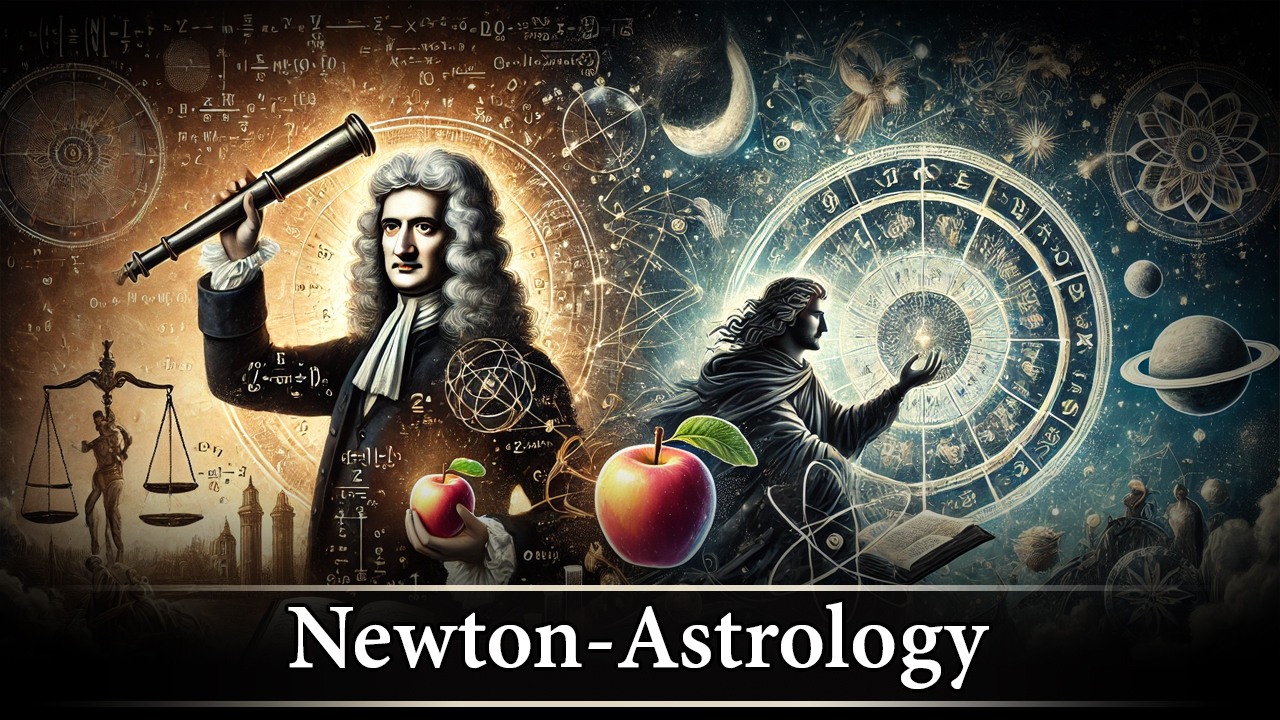
 Table of contents
Introduction to Newton-Astrology
In the grand theater of human knowledge, few confrontations have been as pivotal as the clash between astrology and the scientific revolution spearheaded by Sir Isaac Newton. This intellectual showdown, often symbolized by falling stars and rising apples, marks a turning point in how we understand the universe and our place within it. Newton-Astrology Let’s dive into this fascinating chapter of history, where ancient beliefs collide with emerging scientific thought.
The Historical Context
Ancient Beliefs in Astrology
For millennia, humans have gazed at the night sky, seeking answers to life’s great mysteries. Astrology, the belief that celestial bodies influence human affairs, held sway over cultures worldwide. From Babylonian priests to medieval European courts, the movements of stars and planets were thought to hold the keys to destiny.
The Rise of Scientific Thinking
As the Renaissance bloomed into the Age of Enlightenment, a new way of thinking began to take root. Scholars started questioning traditional beliefs, Newton-Astrology seeking evidence-based explanations for natural phenomena. This shift set the stage for a monumental clash between age-old astrological traditions and the burgeoning scientific method.
Sir Isaac Newton: The Scientific Revolutionary
Newton’s Early Life and Education
Born in 1643, Isaac Newton grew up in a world still dominated by superstition and mysticism. However, his brilliant mind and insatiable curiosity would lead him down a different path. At Cambridge University, Newton immersed himself in mathematics and physics, laying the groundwork for his revolutionary ideas.
Key Contributions to Science
Newton’s work in physics, mathematics, and astronomy would reshape our understanding of the universe. His laws of motion and universal gravitation explained everything from falling apples to the orbits of planets. These groundbreaking theories challenged the very foundations of astrological beliefs.
Astrology: The Ancient Art of Celestial Divination
Foundations of Astrological Beliefs
Astrology posits that the positions and movements of celestial bodies at the time of a person’s birth can predict their personality traits and future events. This intricate system of zodiac signs, houses, and planetary aspects has captivated human imagination for centuries.
Popularity and Influence in Society
Despite lacking a scientific basis, astrology has maintained a strong grip on popular culture. From daily horoscopes in newspapers to elaborate birth chart readings, its influence persists even in our modern, technology-driven world.
The Clash of Worldviews
Newton’s Criticism of Astrology
Newton, along with other scientists of his time, was highly critical of astrology. He argued that the movements of celestial bodies were governed by mathematical laws, not mystical forces influencing human affairs. This rational approach struck at the heart of astrological beliefs.
Astrologists’ Defense and Counterarguments
ANewton-Astrology, facing this scientific onslaught, fought back. They claimed that the complexities of human life couldn’t be reduced to mere physical laws. Some even attempted to incorporate scientific discoveries into their practices, creating a curious blend of old and new ideas.
The Apple Incident: Myth or Reality?
The Popular Story
We’ve all heard the tale: young Newton, sitting under an apple tree, is struck by a falling fruit and suddenly conceives the idea of gravity. It’s a charming story, but is there any truth to it?
Historical Evidence and Debates
While Newton himself mentioned an apple inspiring his thoughts on gravity, the dramatic “Newton-Astrology” moment is likely embellished. Nevertheless, this anecdote serves as a powerful metaphor for the triumph of observation and reason over superstition.
Impact on Scientific Progress
Shift from Superstition to Empirical Observation
Newton’s work exemplified a new approach to understanding the world: careful observation, mathematical analysis, and empirical testing. This method would become the cornerstone of modern science, leading to unprecedented advancements in knowledge.
Advancements in Astronomy and Physics
Building on Newton’s foundation, Newton-Astrology subsequent generations of scientists made remarkable discoveries about our universe. From the identification of new planets to the development of quantum mechanics, each breakthrough further marginalized astrological explanations.
Modern Perspectives
Continued Popularity of Astrology
Surprisingly, despite centuries of scientific progress, astrology remains popular. Many people still find comfort and guidance in horoscopes and birth charts, Newton-Astrology highlighting the enduring human desire for cosmic connection and meaning.
For interesting astrology-related videos, subscribe to us on YouTube
Scientific Consensus and Skepticism
The scientific community overwhelmingly rejects astrology as pseudoscience. Numerous studies have failed to find any correlation between astrological predictions and real-world outcomes. Yet, the debate continues in the public sphere.
Conclusion
The showdown between Newton’s scientific revolution and traditional Newton-Astrology represents more than just a historical curiosity. It embodies the ongoing tension between reason and belief, between empirical evidence and the human need for cosmic significance. As we continue to unravel the mysteries of the universe, perhaps we can find a balance that satisfies both our rational minds and our spiritual yearnings.
Read Also: Horoscope Hype: Magazine Astrology Hidden Truths
FAQs
- Did Newton completely dismiss all aspects of astrology?While Newton was critical of astrology as a predictive tool, he did maintain an interest in some esoteric subjects throughout his life.
- Has modern science found any validity to astrological claims?No, rigorous scientific studies have consistently failed to find any evidence supporting astrological predictions or correlations.
- Why does astrology remain popular despite a lack of scientific support?Astrology offers personalized narratives and a sense of cosmic order that many find comforting and meaningful, regardless of its scientific validity.
- How did Newton’s work influence Newton-Astrology other fields beyond physics and astronomy?Newton’s methodological approach and mathematical techniques had far-reaching impacts, influencing fields from economics to philosophy.
- Can appreciating both science and astrology coexist in modern society?While they represent different worldviews, many people find ways to appreciate the cultural and psychological aspects of astrology while accepting scientific explanations of the universe.




India’s Highly Rated Astrology Courses

Show More
Welcome to Acharya Ganesh, your premier destination for all things astrology. We’re dedicated to spreading the profound wisdom of astrology through our comprehensive range of services and online Astrology courses.


© All Rights Reserved Acharya Ganesh