
16 Sanskars
Jatakarma Sanskar: The Ritual That’s Changing Lives
Introduction to Jatakarma Sanskar Have you ever wondered about the power of ancient rituals in shaping our modern lives? Well, let me introduce you to Jatakarma Sanskar, a fascinating Hindu ritual that’s been quietly transforming families for centuries. This age-old ceremony, performed shortly after a child’s birth, is more than just a tradition – it’s…


Introduction to Jatakarma Sanskar
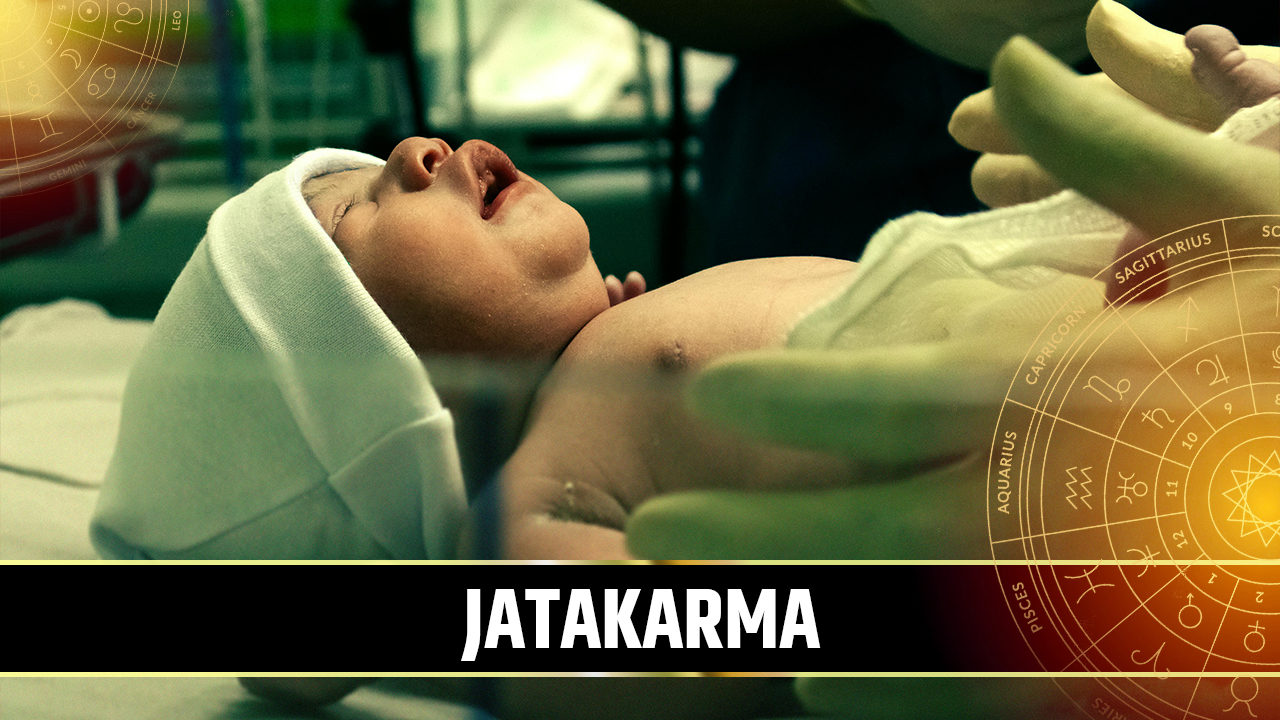
Have you ever wondered about the power of ancient rituals in shaping our modern lives? Well, let me introduce you to Jatakarma Sanskar, a fascinating Hindu ritual that’s been quietly transforming families for centuries. This age-old ceremony, performed shortly after a child’s birth, is more than just a tradition – it’s a profound celebration of new life and a beautiful way to welcome a soul into the world.
Read Also: Astrology Predicts Global Shifts Toward Equality
Historical Significance of Jatakarma Sanskar
Jatakarma Sanskar isn’t just some newfangled trend; it’s deeply rooted in Hindu culture. Dating back thousands of years, this ritual has been mentioned in ancient texts like the Grihya Sutras. It’s one of the sixteen sanskaras (sacraments) that mark important milestones in a Hindu’s life. But don’t let its age fool you – Jatakarma Sanskar is as relevant today as it was millennia ago.
The Ritual Process
Preparation
Before the big day, there’s a flurry of activity. The house is cleaned and decorated, special foods are prepared, and family members gather. It’s like getting ready for a party, but with a deeply spiritual undertone. The air buzzes with excitement and anticipation.
Read Also: Astrology for Finding Joy in a Stressful Career
The Ceremony
Now, here’s where the magic happens. The father plays a crucial role, symbolically welcoming the child into the family. He touches the baby’s tongue with honey and ghee, whispering sacred mantras. It’s a moment of pure connection between parent and child, witnessed by loved ones.
Post-Ceremony Rituals
After the main event, there’s more to do. The mother is honored, blessings are given, and often, there’s a feast to celebrate. It’s like the afterparty, but with more meaning and fewer disco balls.
Symbolic Meaning Behind Jatakarma Sanskar
Every gesture in Jatakarma Sanskar is loaded with symbolism. The honey represents the sweetness of life, while the ghee symbolizes purity and nourishment. It’s like a crash course in life’s essentials for the newborn – sweet, pure, and nourishing.
Modern Adaptations of the Ritual
In today’s fast-paced world, Jatakarma Sanskar hasn’t been left behind. Families are finding creative ways to incorporate this ancient ritual into their contemporary lives. Some opt for simplified versions, while others blend it with modern baby welcoming parties. It’s like giving a classic recipe a modern twist – the essence remains, but the presentation evolves.
Impact on Family Dynamics
Jatakarma Sanskar isn’t just about the baby; it’s a family affair. This ritual often brings extended families together, strengthening bonds and creating shared memories. It’s like a family reunion, but with a tiny, adorable centerpiece.
Read Also: Astrology for Turning Career Pressure into Success
Psychological Benefits for Parents and Child
Psychologists have noted the positive impact of such rituals on both parents and children. For parents, it can ease the transition into their new roles. For the child, even though they won’t remember it, the positive energy and intentions set during the ceremony can have lasting effects. It’s like planting a seed of love and positivity in the child’s subconscious.
Cultural Preservation Through Jatakarma Sanskar
In an era of globalization, Jatakarma Sanskar serves as a link to cultural roots. It’s a way for families to pass down traditions and values to the next generation. Think of it as a cultural time capsule, preserving ancient wisdom for future generations.
Challenges in Performing Jatakarma Sanskar Today
Let’s face it – carrying out an ancient ritual in modern times isn’t always easy. Some families struggle with finding knowledgeable priests or balancing traditional practices with contemporary lifestyles. It’s like trying to fit a square peg in a round hole sometimes, but many find the effort worthwhile.
Global Perspective: Jatakarma Sanskar in the Diaspora
For Hindu families living abroad, Jatakarma Sanskar takes on new significance. It becomes a way to stay connected to their heritage and instill cultural values in their children. It’s like creating a little piece of home, no matter where in the world they are.
Scientific View on Early Childhood Rituals
Interestingly, science is starting to catch up with what ancient cultures have known for ages. Early childhood experiences, even those the child doesn’t consciously remember, can have profound effects on development. Jatakarma Sanskar, with its focus on love, acceptance, and positive intentions, aligns well with modern understanding of early childhood psychology.

Jatakarma Sanskar and Child Development
While the ritual itself is brief, its impact can be long-lasting. The emphasis on welcoming and accepting the child can set the stage for healthy emotional development. It’s like giving the child an emotional head start in life.
Integrating Jatakarma Sanskar with Modern Parenting
Modern parents are finding innovative ways to blend the wisdom of Jatakarma Sanskar with contemporary parenting practices. They’re taking the core principles – love, acceptance, community support – and applying them in their daily lives. It’s like having the best of both worlds – ancient wisdom and modern knowledge.
The Future of Jatakarma Sanskar
As we look to the future, it’s clear that Jatakarma Sanskar is evolving. While the core essence remains, the ritual is adapting to fit modern lifestyles and values. Who knows? In a few decades, we might see Jatakarma Sanskar ceremonies being live-streamed to family members across the globe!
Read Also: Horoscope Hype: Magazine Astrology Hidden Truths
Conclusion of Jatakarma Sanskar
Jatakarma Sanskar is more than just an ancient ritual – it’s a powerful tradition that continues to shape lives and families. By connecting us to our roots, fostering family bonds, and setting positive intentions for a new life, this ceremony proves that some ancient practices are timeless. As we navigate the complexities of modern life, perhaps there’s wisdom in looking back to move forward. After all, in the journey of life, a good start can make all the difference.
For interesting astrology-related videos, subscribe to us on Youtube
FAQs
- What is the best age to perform Jatakarma Sanskar?Traditionally, it’s performed within the first two weeks after birth, but modern adaptations sometimes delay it to accommodate family schedules.
- Can non-Hindus participate in Jatakarma Sanskar?While it’s a Hindu ritual, many families welcome participation from friends and family of all backgrounds.
- Is Jatakarma Sanskar necessary for the child’s well-being?While not necessary in a medical sense, many believe it provides spiritual and emotional benefits to the child and family.
- How long does a typical Jatakarma Sanskar ceremony last?The main ceremony usually lasts about 30 minutes to an hour, but associated celebrations can extend longer.
- Can Jatakarma Sanskar be performed for adopted children?Yes, many families choose to perform this ritual for adopted children as a way of welcoming them into the family.
India’s Highly Rated Astrology Courses

Show More
Welcome to Acharya Ganesh, your premier destination for all things astrology. We’re dedicated to spreading the profound wisdom of astrology through our comprehensive range of services and online Astrology courses.


© All Rights Reserved Acharya Ganesh