
Shradh
Complete How-To: Thrilling Shradh Made Easy At Home


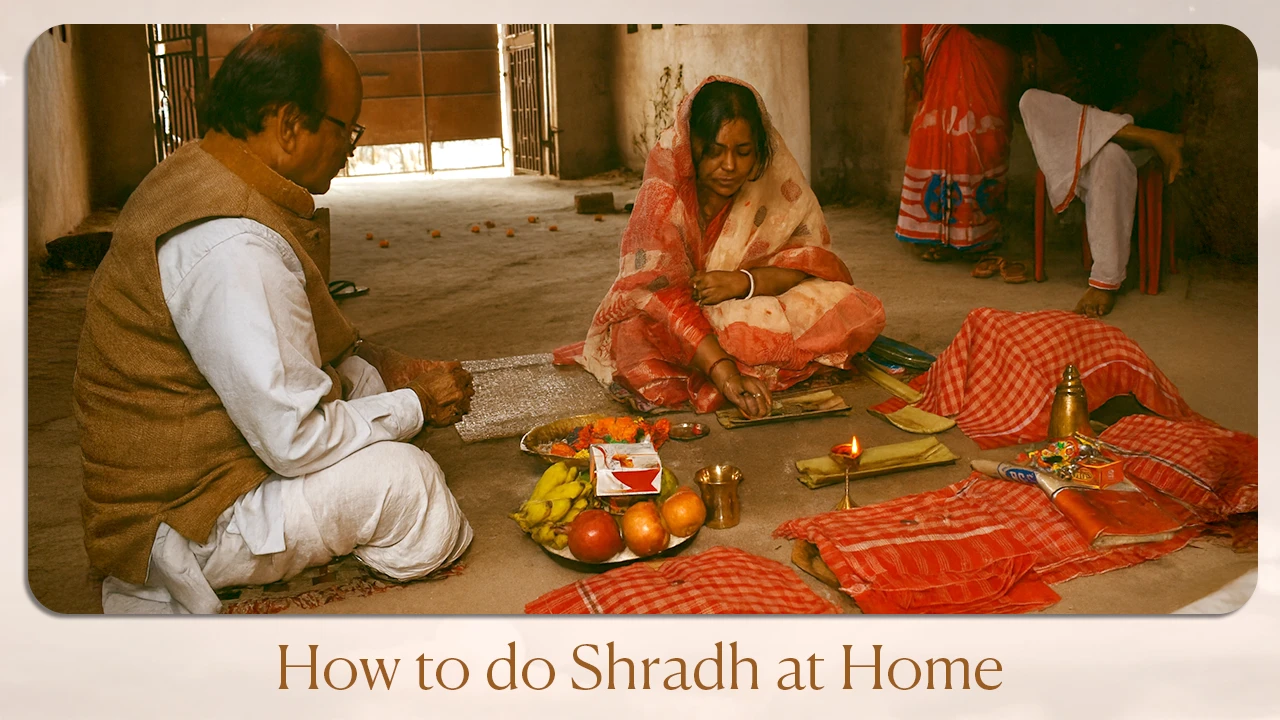
How To Do Shradh At Home
Have you ever wondered how to honor your ancestors through the sacred Hindu tradition of Shradh without leaving the comfort of your home? You're not alone! Many people today seek meaningful ways to connect with their departed loved ones while maintaining the authenticity of this ancient practice. Let's embark on this spiritual journey together and discover how you can perform Shradh at home with ease and devotion.
Read Also: Vargottama Planet and your Potential in Life
Understanding Shradh - A Sacred Hindu Tradition
What is Shradh?
Shradh, derived from the Sanskrit word "Shraddha" meaning faith and devotion, is a profound Hindu ritual performed to honor deceased ancestors. Think of it as a spiritual bridge connecting us with our forefathers, ensuring their souls find peace in the afterlife. This sacred ceremony isn't just about following tradition – it's about expressing gratitude, seeking blessings, and maintaining an eternal bond with those who came before us. For many devotees, learning How to do Shradh at Home makes it easier to continue this sacred practice with devotion and simplicity.
The practice dates back thousands of years, rooted in the belief that our ancestors continue to exist in different realms and require our support through prayers, offerings, and righteous acts. When we perform Shradh, we're essentially saying, "We remember you, we honor you, and we're grateful for the foundation you've provided for our lives." Knowing How to do Shradh at Home allows families to carry forward this timeless tradition while staying connected to their spiritual roots.
The Spiritual Significance of Shradh
Why does Shradh hold such importance in Hindu culture? Imagine your family tree as a flowing river – each generation feeds into the next, creating an unbroken stream of life, wisdom, and blessings. When we perform Shradh, we're acknowledging this flow and ensuring it continues harmoniously.
According to Hindu scriptures, performing Shradh helps departed souls attain moksha (liberation) and provides peace to their journey in the afterlife. It's believed that neglecting this duty can lead to the ancestors becoming restless, potentially affecting the family's well-being. On the flip side, sincere performance of Shradh brings prosperity, health, and spiritual growth to the family.

When Should You Perform Shradh?
Pitru Paksha - The Sacred Fortnight
The most auspicious time for performing Shradh is during Pitru Paksha, a 15-day period typically falling between September and October. This sacred fortnight is like a cosmic window when the veil between our world and the ancestral realm becomes thinner, making our offerings more effective.
During Pitru Paksha, it's believed that ancestors descend to the earthly plane to receive offerings from their descendants. Think of it as a divine family reunion where your prayers and offerings serve as the invitation card!
Specific Dates and Timing
While Pitru Paksha is ideal, Shradh can be performed on various occasions:
- Tithi (Death anniversary): The lunar date of the ancestor's passing
- Amavasya (New moon day): Especially powerful for Shradh
- Ekadashi: The 11th day of the lunar cycle
- Purnima (Full moon day): Another auspicious occasion
The best time to perform Shradh is during Kutup Kaal (11:30 AM to 12:30 PM) or Rohina Kaal (8:30 AM to 9:30 AM). However, don't stress if you can't manage these exact timings – your sincere intention matters more than perfect timing.
Essential Preparations for Home Shradh
Setting Up the Sacred Space
Creating the right atmosphere is crucial for a meaningful Shradh ceremony. Choose a clean, quiet corner of your home – preferably facing east or north. This space should be treated as a temporary temple, so cleanliness and sanctity are paramount.
Clean the area thoroughly and place a clean cloth or mat on the floor. If possible, use a wooden platform or low table. The space should be free from distractions, so switch off televisions, phones, and other electronic devices. Think of this area as a sacred meeting point where you'll commune with your ancestors.
Gathering Required Materials
Preparation is key to a smooth Shradh ceremony. Having everything ready beforehand allows you to focus entirely on the spiritual aspect rather than scrambling for missing items.
Puja Items Checklist
Here's your essential shopping list for Shradh:
- Kalash (water pot) with fresh water
- Diya (oil lamp) with sesame oil or ghee
- Incense sticks (preferably sandalwood)
- Fresh flowers (marigold, lotus, or jasmine)
- Kumkum and turmeric powder
- Sacred thread (janeu)
- Small bowls for water and offerings
- Banana leaves or clean plates
- White cloth for covering offerings
- Camphor for aarti
Food Items for Offering
The food offerings, known as "Pinda," are central to Shradh:
- Rice (preferably basmati)
- Black sesame seeds
- Ghee (clarified butter)
- Milk and curd
- Honey
- Sugar or jaggery
- Fruits (banana, apple, seasonal fruits)
- Kheer (sweet rice pudding)
- Dal (lentils)
- Vegetables (avoid onion and garlic)
Step-by-Step Guide to Performing Shradh at Home
Morning Preparations and Purification
Start your day early with a purifying bath. This isn't just about physical cleanliness – it's about preparing your mind and soul for the sacred ritual ahead. Wear clean, preferably white or light-colored clothes, as they represent purity and peace.
Before beginning the ceremony, observe a brief fast or eat only fruits. This helps in achieving the right mental state and shows respect for the solemnity of the occasion. Remember, your ancestors are your honored guests today, so prepare as you would for welcoming the most important visitors.
Invoking the Ancestors
Begin by lighting the diya and incense sticks. The warm glow of the lamp and the fragrant smoke create an atmosphere conducive to spiritual communication. Sit facing east and take a moment to center yourself.
Close your eyes and mentally invite your ancestors. You might say something like, "Dear ancestors, I invite you with love and respect to accept these humble offerings. Please bless our family with your presence and guidance." This personal touch makes the ritual more meaningful than just mechanically following steps.
The Ritual Process
Here's the step-by-step process:
- Sankalp (Intention Setting): Declare your intention clearly, mentioning the names of ancestors you're honoring (if known) and your purpose.
- Kalash Sthapana: Place the water-filled kalash in the center of your setup. This represents the presence of all deities and your ancestors.
- Pinda Daan: Mix cooked rice with ghee, sesame seeds, and a little milk to form small balls (pindas). Offer these while chanting mantras.
- Tarpan: Pour water mixed with sesame seeds and barley as an offering. This symbolizes nourishing the ancestors.
- Food Offering: Present the prepared meal on banana leaves or clean plates. Include kheer, dal, vegetables, and fruits.
- Aarti: Conclude with aarti, waving the camphor flame in circular motions while singing devotional songs.
Read Also: Best Astrologer in Bagalkote
Food Offerings and Their Significance
Traditional Shradh Meals
Food in Shradh isn't just sustenance – it's a language of love that transcends the physical realm. The traditional Shradh meal typically includes rice, dal, vegetables, and sweets, prepared with pure ingredients and loving intentions.
Each item has symbolic meaning: rice represents abundance and fertility, sesame seeds symbolize immortality and protection, and ghee signifies purity and divine blessings. The combination creates a meal that's not just nourishing but spiritually significant.
Dos and Don'ts of Food Preparation
Do:
- Use fresh, high-quality ingredients
- Cook with clean hands and pure thoughts
- Avoid tasting the food while cooking
- Prepare everything with love and devotion
- Include the deceased's favorite dishes if possible
Don't:
- Use onion, garlic, or non-vegetarian items
- Add excessive salt or spices
- Cook in a hurry or with negative emotions
- Reuse leftover food from previous days
- Allow others to taste the food before offering
Mantras and Prayers for Shradh
Essential Mantras to Recite
While elaborate Sanskrit mantras exist for Shradh, you don't need to be a scholar to perform this ritual meaningfully. Here are some essential mantras:
For invoking ancestors:
"Om Pitru Devaya Namaha"
(I bow to the divine fathers/ancestors)
For offering Pinda:
"Idam Pindam Pitru Lokaya Namaha"
(This offering of rice ball is for the ancestor's realm)
For Tarpan:
"Om Pitru Bhyo Swaha"
(Om, to the ancestors, I offer with reverence)
Proper Pronunciation and Meaning
Don't worry if your Sanskrit pronunciation isn't perfect. Your sincere intention carries more weight than linguistic precision. If Sanskrit feels challenging, you can also pray in your native language, expressing gratitude and love for your ancestors. God and your ancestors understand the language of the heart better than any spoken tongue.
Common Mistakes to Avoid
Even with the best intentions, some common pitfalls can affect your Shradh ceremony:
- Rushing through the ritual: Take your time and perform each step mindfully
- Focusing only on material aspects: Remember, it's about spiritual connection, not just following procedures
- Performing with doubt or negativity: Approach with faith and positivity
- Ignoring family traditions: While following general guidelines, honor your family's specific customs
- Forgetting to share food: After the ceremony, sharing the blessed food (prasad) with family members completes the circle of blessings
Benefits of Performing Shradh at Home
Performing Shradh at home offers unique advantages that temples or public venues might not provide. You can create a personal, intimate atmosphere where family members can participate comfortably. There's no time pressure, allowing you to perform each step with proper devotion and attention. For those seeking guidance, understanding How to do Shradh at Home ensures the ritual is performed with the right intention and respect.
Home Shradh also allows you to include family-specific traditions and share stories about ancestors with younger generations. This storytelling aspect transforms the ritual from a mere ceremony into a meaningful family bonding experience that preserves your heritage. By learning How to do Shradh at Home, you can also adapt the process to include personalized elements that make it more relevant for your family.
The spiritual benefits are equally significant. Regular Shradh practice at home is believed to bring protection, prosperity, and peace to the household. Many families report improved relationships, better health, and increased success after maintaining consistent Shradh practices.
Modern Adaptations for Busy Lifestyles
Living in today's fast-paced world doesn't mean abandoning sacred traditions. You can adapt Shradh practices to fit your schedule while maintaining their essence. For instance, if you can't perform elaborate rituals daily during Pitru Paksha, focus on one comprehensive ceremony on the most relevant date.
Technology can also be your ally. Use meditation apps for timing, online resources for accurate mantras, or video calls to include distant family members in the ceremony. The key is maintaining the spiritual core while adapting the external form to modern realities.
For working professionals, consider performing a simplified version early in the morning before work or dedicate weekend time for more elaborate ceremonies. Remember, consistency and sincerity matter more than complexity.
Conclusion of How To Do Shradh At Home
Performing Shradh at home is not just about following ancient customs – it's about creating a meaningful connection with your roots, honoring those who shaped your existence, and enriching your spiritual journey. By following this guide on How to do Shradh at Home, you can confidently perform this sacred ritual in your own space, creating lasting memories and spiritual benefits for your entire family.
Remember, the most important ingredients in any Shradh ceremony are love, respect, and sincere intention. Your ancestors don't judge you based on the perfection of your rituals but on the purity of your heart and the depth of your gratitude. When you learn How to do Shradh at Home with devotion, you experience profound peace and blessings that come from honoring your ancestral lineage.
Read Also: Astrology for Turning Career Pressure into Success
FAQs of How To Do Shradh At Home
Q1:Can women perform Shradh at home?
Ans: Yes, women can absolutely perform Shradh at home. While some orthodox traditions restricted women's participation, modern interpretations and many regional customs fully support women conducting these sacred rituals. The key is sincere devotion rather than gender.
Q2:What if I don't know the exact death date of my ancestors?
Ans: If you don't know specific death dates, you can perform Shradh on Sarvapitru Amavasya (the last day of Pitru Paksha), which is designated for all ancestors. Alternatively, choose any Amavasya (new moon day) throughout the year.
Q3:Is it necessary to invite a Brahmin for home Shradh?
Ans: While traditionally a Brahmin was invited to receive offerings, modern practice allows families to perform Shradh independently. You can donate food or money to the needy after the ceremony, which serves the same spiritual purpose.
Q4:Can Shradh be performed for ancestors beyond three generations?
Ans: Yes, Shradh can be performed for ancestors beyond the traditional three generations. You can honor all known ancestors collectively, and the benefits extend to the entire ancestral lineage.
Q5:What should be done with the food after the Shradh ceremony?
Ans: After offering to ancestors, the food becomes prasad (blessed food). Share it with family members and guests. You can also feed birds, animals, or donate to the hungry, as these acts extend the blessings and complete the cycle of giving.
For interesting astrology-related videos, subscribe to us on YouTube


India’s Highly Rated Astrology Courses

Show More
Welcome to Acharya Ganesh, your premier destination for all things astrology. We’re dedicated to spreading the profound wisdom of astrology through our comprehensive range of services and online Astrology courses.


© All Rights Reserved Acharya Ganesh