Mandir Zone: Exploring Sacred Spaces
INTRODUCTION TO MANDIR ZONE
Have you ever walked into a Mandir and felt a wave of peace wash over you?
That’s the magic of a Mandir Zone—a sacred space where spirituality, culture,
and community come together. In this article, we’ll journey through the world of
Mandirs, exploring their history, architecture, rituals, and their evolving role
in modern society.
Read Also: Unlocking the Secrets of Mulank Numbers for Perfect Compatibility
[https://acharyaganesh.com/numerology/best-compatible-mulank-numbers]
WHAT IS A MANDIR?
A Mandir, simply put, is a Hindu temple—a place where devotees gather to
worship, meditate, and connect with the divine. The word “Mandir” comes from
Sanskrit, meaning “dwelling” or “abode,” signifying a home for the gods on
earth. But a Mandir is more than just a building; it’s a spiritual hub, a
cultural center, and a symbol of faith.
SIGNIFICANCE OF MANDIRS IN HINDUISM
Mandirs are the heart of Hindu religious life. They serve as bridges between the
earthly and the divine, offering a space for prayer, rituals, and reflection.
For many, visiting a Mandir is like recharging their spiritual batteries—a way
to find inner peace and guidance.
HISTORICAL EVOLUTION OF MANDIRS
The story of Mandirs stretches back thousands of years. Early Hindu worship took
place in open spaces or simple shrines. Over time, as art and architecture
flourished, Mandirs evolved into grand structures adorned with intricate
carvings and sculptures. Each era and region added its own flavor, making every
Mandir unique.
Read Also: https://acharyaganesh.com/angel-number/angel-number-0808Understanding
Angel Number 0808: Meaning, Abundance Spiritual Guidance
[https://acharyaganesh.com/angel-number/angel-number-0808]
TYPES OF MANDIRS ACROSS INDIA
India’s diversity shines through its Mandirs. Let’s take a closer look:
NORTH INDIAN TEMPLES
North Indian Mandirs, like the famous Kashi Vishwanath in Varanasi, often
feature tall, curving towers called “shikharas.” These temples are known for
their ornate facades and vibrant festivals.
SOUTH INDIAN TEMPLES
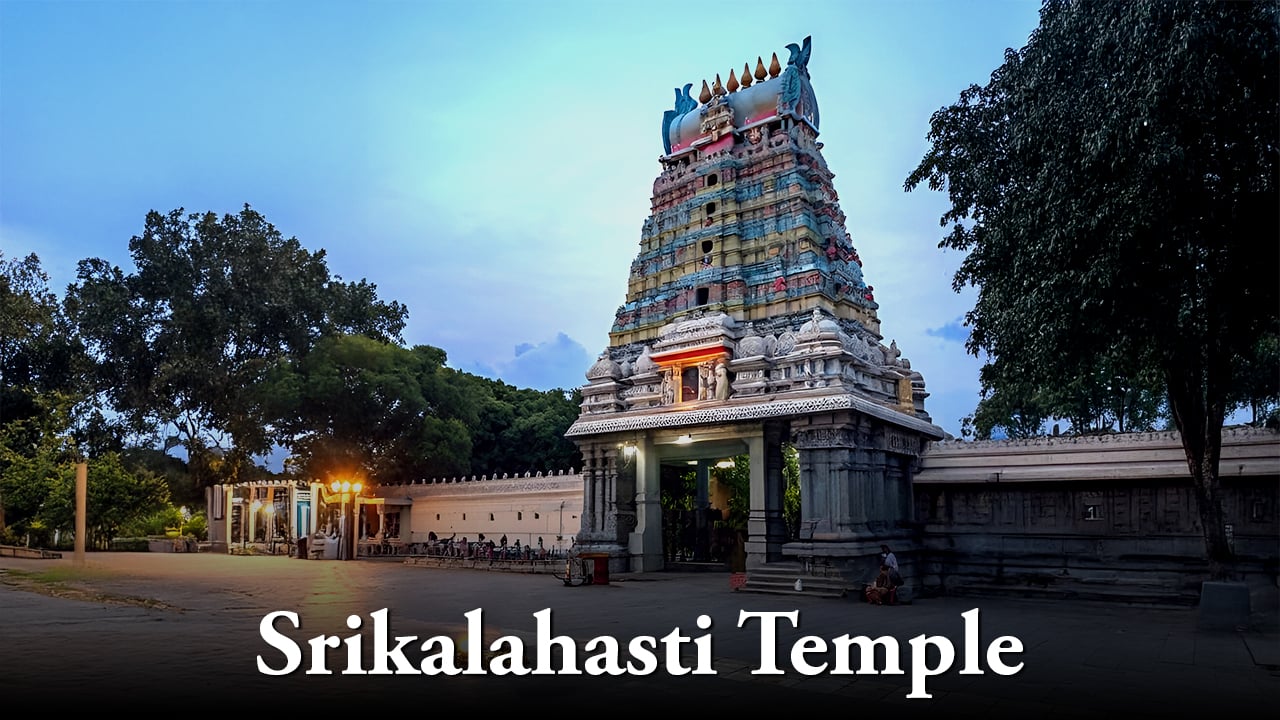
Down south, Mandirs like the Meenakshi Temple in Madurai boast towering
“gopurams” (gateway towers) covered in colorful sculptures. The temple complexes
here are vast, often resembling small cities.
FAMOUS MANDIRS WORLDWIDE
Hindu temples aren’t limited to India. From the BAPS Shri Swaminarayan Mandir in
London to the Sri Venkateswara Temple in Pittsburgh, Mandirs have become global
symbols of faith and culture.
Read Also: Vargottama Planet and your Potential in Life
[https://acharyaganesh.com/planets/vargottama-planet]
MANDIR ARCHITECTURE: A BLEND OF ART AND SPIRITUALITY
Mandir architecture is a feast for the eyes and the soul. Every element, from
the towering spires to the smallest carvings, is steeped in symbolism.
KEY ARCHITECTURAL FEATURES
* Garbhagriha (Sanctum Sanctorum): The innermost chamber where the main deity
resides.
* Mandapa: Pillared halls for gatherings and rituals.
* Shikhara/Gopuram: The towering spire or gateway, visible from afar.
* Pradakshina Patha: The path for circumambulation, symbolizing the journey of
life.
SYMBOLISM IN DESIGN
Mandirs are designed to represent the cosmos. The central dome symbolizes Mount
Meru, the mythical center of the universe. Every carving tells a story, from
epic battles to divine love.
RITUALS AND PRACTICES IN MANDIRS
Mandirs are alive with rituals that connect devotees to the divine.
DAILY RITUALS
From the morning “aarti” (light offering) to evening prayers, daily rituals keep
the spiritual energy flowing. Devotees offer flowers, fruits, and incense,
seeking blessings and guidance.
FESTIVALS AND SPECIAL OCCASIONS
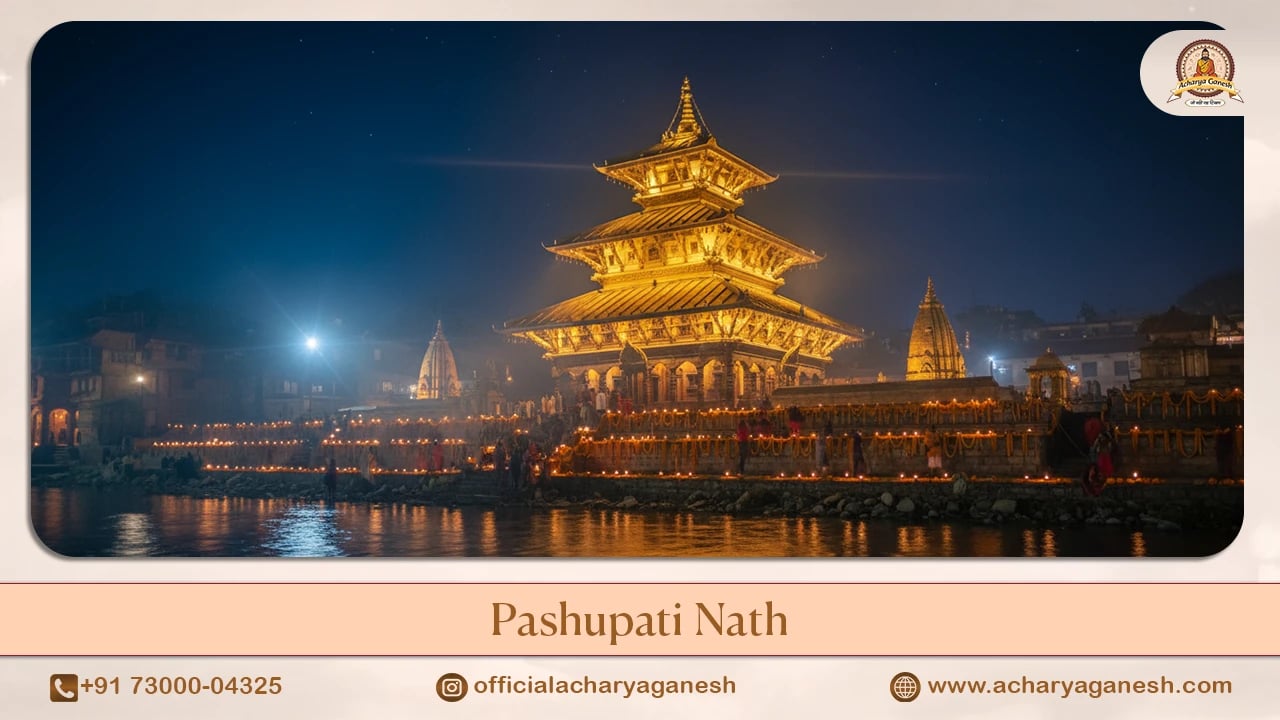
Mandirs come alive during festivals like Diwali, Navratri, and Janmashtami. The
air buzzes with music, dance, and devotion, drawing crowds from near and far.
ROLE OF MANDIRS IN COMMUNITY LIFE
Mandirs are more than places of worship—they’re community centers. They host
cultural events, language classes, charity drives, and even yoga sessions. For
many, the Mandir is a second home, a place to celebrate, learn, and grow
together.
MANDIR ETIQUETTE: DO’S AND DON’TS
Visiting a Mandir? Here are some tips:
* Do: Dress modestly, remove your shoes, and maintain silence.
* Don’t: Take photos in restricted areas, touch the deities, or bring
non-vegetarian food.
* Pro Tip: Always greet others with a smile and folded hands—“Namaste!”
MODERN MANDIR ZONES: BLENDING TRADITION AND TECHNOLOGY
Today’s Mandirs are embracing technology. From live-streamed rituals to online
donation platforms, Mandirs are making it easier for devotees to stay connected,
no matter where they are.
MANDIR TOURISM: A SPIRITUAL JOURNEY
Mandir tourism is booming. Pilgrims and tourists alike flock to iconic temples,
seeking spiritual solace and architectural marvels. Whether it’s the golden glow
of the Harmandir Sahib or the serene beauty of Akshardham, every Mandir offers a
unique experience.
MANDIR CONSERVATION AND PRESERVATION
With time, many ancient Mandirs face threats from pollution, weather, and
neglect. Conservation efforts—both by governments and local communities—are
crucial to preserving these treasures for future generations.
MANDIR ZONE FOR KIDS: LEARNING AND FUN
Mandirs aren’t just for adults! Many temples offer storytelling sessions, art
classes, and cultural workshops for kids. It’s a fun way for the younger
generation to connect with their roots.
MANDIR ZONE IN THE DIGITAL AGE
The digital revolution has reached Mandirs. Virtual tours, mobile apps, and
social media pages are making it easier than ever to explore Mandirs from the
comfort of your home. It’s spirituality at your fingertips!
CONCLUSION OF MANDIR ZONE
The Mandir Zone is more than a physical space—it’s a living, breathing world of
faith, art, and community. Whether you’re a devotee, a tourist, or just curious,
stepping into a Mandir is like opening a door to centuries of tradition and
wisdom. So next time you pass by a Mandir, take a moment to step inside. Who
knows? You might just find a piece of peace you didn’t know you were missing.
For interesting astrology-related videos, subscribe to us on YouTube
[https://www.youtube.com/@acharyaganeshchannel]
FAQS OF MANDIR ZONE
Q1. What is the main purpose of a Mandir?
Ans: A Mandir serves as a place for worship, meditation, and community
gatherings, connecting devotees with the divine.
Q2. Can non-Hindus visit Mandirs?
Ans: Yes, most Mandirs welcome visitors of all backgrounds, though it’s
important to respect the customs and dress codes.
Q3. Are there any famous Mandirs outside India?
Ans: Absolutely! Temples like the BAPS Shri Swaminarayan Mandir in London and
the Sri Venkateswara Temple in the USA are world-renowned.
Q4. What should I wear when visiting a Mandir?
Ans: Modest clothing is recommended. Avoid shorts, sleeveless tops, and always
remove your shoes before entering.
Q5. How are Mandirs adapting to modern times?
Ans: Many Mandirs now offer online services, virtual tours, and digital
resources to engage with devotees worldwide.
- Acharya Ganesh