Surging Faith: Amazing Pooja Grah Rituals Revealed Now
Discover surging faith with amazing Pooja Grah Rituals. Learn step-by-step secrets to empower your spiritual journey. Start your transformation today!

Written by By Hanish Bagga
Introduction to Pooja Grah Rituals
Have you ever wondered why some homes radiate a sense of peace and positivity? The secret often lies in the heart of the house—the Pooja Grah. In this article, we’ll dive deep into the world of Pooja Grah rituals, uncovering their ancient roots, modern adaptations, and the incredible impact they have on our lives. Whether you’re a seasoned devotee or just curious, get ready to discover the amazing rituals that can surge your faith and transform your home.
Read Also: Understanding Angel Number 0808: Meaning, Abundance Spiritual Guidance

What is Pooja Grah?
The Meaning Behind Pooja Grah
Pooja Grah, often called the prayer room or altar, is a sacred space in Hindu homes dedicated to worship and spiritual practices. It’s more than just a corner with idols; it’s a spiritual powerhouse where faith is nurtured and divine energy is invoked.
Historical Roots of Pooja Grah Rituals
The tradition of having a Pooja Grah dates back thousands of years. Ancient scriptures mention the importance of a dedicated space for worship, emphasizing its role in connecting the physical and spiritual worlds. Over time, these rituals have evolved, but their essence remains unchanged—fostering a deep bond with the divine.
Read Also: Consult With The Best Astrologer in Siliguri
Why Are Pooja Grah Rituals Important?
Spiritual Significance
Pooja Grah rituals are not just about lighting lamps and offering flowers. They are a way to express gratitude, seek blessings, and align oneself with higher energies. These rituals help cleanse the mind, purify the heart, and elevate the soul.
Cultural Impact
Beyond spirituality, Pooja Grah rituals are woven into the fabric of Indian culture. They bring families together, preserve traditions, and pass on values from one generation to the next. It’s like a living heritage, thriving in every home.
Types of Pooja Grah Rituals
Daily Pooja
Most households perform daily rituals, which include lighting a lamp, offering incense, and reciting prayers. This daily discipline keeps the spiritual energy alive and sets a positive tone for the day.
Festive Pooja
During festivals like Diwali, Navratri, or Ganesh Chaturthi, the Pooja Grah becomes the center of grand celebrations. Special rituals, elaborate decorations, and community prayers mark these occasions.
Special Occasion Pooja
Life events such as weddings, birthdays, or housewarmings often involve unique Pooja Grah rituals. These ceremonies invoke blessings for prosperity, health, and happiness.
Read Also: Vargottama Planet and your Potential in Life
Essential Elements of a Pooja Grah
Sacred Space
The location of the Pooja Grah is crucial. It should be clean, quiet, and preferably in the northeast corner of the house, as per Vastu Shastra. This ensures maximum flow of positive energy.
Idols and Images
Idols of deities, pictures of saints, and sacred symbols form the heart of the Pooja Grah. Each item is chosen with care, reflecting the family’s beliefs and traditions.
Pooja Samagri (Materials)
From incense sticks and lamps to flowers and holy water, the materials used in Pooja Grah rituals are symbolic. Each item has a purpose, representing elements of nature and aspects of divinity.
Step-by-Step Guide to Performing Pooja Grah Rituals
Preparation
Start by cleaning the Pooja Grah and yourself. Wear fresh clothes, gather all necessary items, and set your intention for the ritual.
Invocation
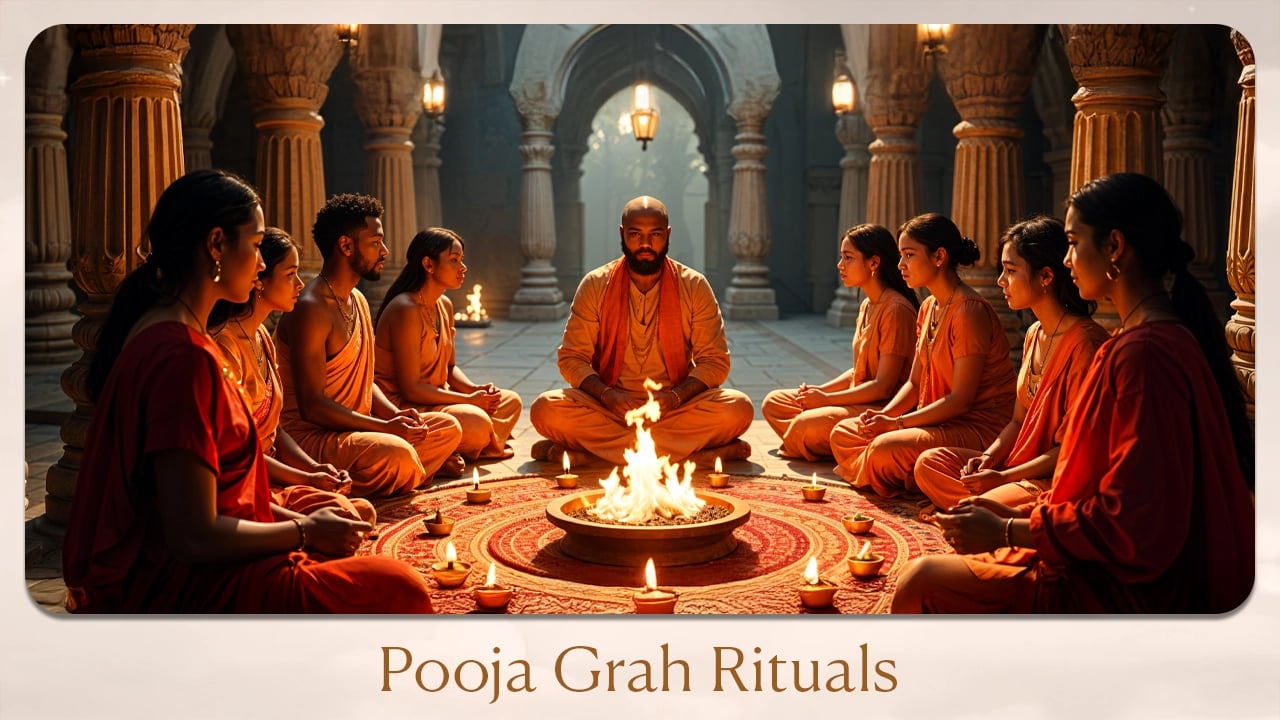
Light the lamp, ring the bell, and chant mantras to invite the divine presence. This step marks the beginning of the sacred ceremony.
Offerings
Offer flowers, fruits, sweets, and water to the deities. Each offering is a gesture of love and devotion, symbolizing surrender and gratitude.
Aarti and Prasad
Conclude the ritual with Aarti—a devotional song sung while waving a lamp before the deities. Distribute Prasad (blessed food) among family members, sharing the divine blessings.
Amazing Pooja Grah Rituals from Different Regions
North Indian Traditions
In North India, rituals often include elaborate Aartis, use of silver utensils, and recitation of specific mantras. The focus is on grandeur and community participation.
South Indian Traditions
South Indian Pooja Grahs are known for their simplicity and emphasis on purity. Fresh flowers, coconut, and sandalwood paste are commonly used, and rituals are often accompanied by classical music.
East and West Indian Variations
Eastern rituals may involve folk songs and unique offerings like rice and betel leaves, while Western regions blend local customs with traditional practices, creating a vibrant tapestry of faith.
Modern Adaptations of Pooja Grah Rituals
Virtual Pooja
With technology bridging distances, many families now participate in virtual Poojas, connecting with priests and relatives across the globe. It’s faith, reimagined for the digital age.
Eco-Friendly Practices
Modern devotees are increasingly mindful of the environment. Biodegradable materials, minimal use of plastics, and natural decorations are becoming the norm, ensuring that faith and sustainability go hand in hand.
Common Mistakes to Avoid During Pooja Grah
- Neglecting cleanliness of the space and materials
- Using broken or damaged idols
- Performing rituals in a hurry or without focus
- Ignoring the importance of intention and devotion
Avoiding these mistakes ensures that your rituals are meaningful and effective.
Benefits of Regular Pooja Grah Rituals
Mental Peace
The rhythmic chants, soothing aromas, and serene atmosphere of the Pooja Grah work wonders for mental health. It’s like a daily dose of meditation, calming the mind and reducing stress.
Family Harmony
When families come together for Pooja, it strengthens bonds and fosters a sense of unity. Shared rituals create lasting memories and reinforce values.
Spiritual Growth
Regular Pooja Grah rituals nurture the soul, deepening your connection with the divine and guiding you on the path of self-realization.
Stories of Surging Faith: Real-Life Experiences
Many people have experienced miraculous changes after embracing Pooja Grah rituals. From overcoming personal challenges to finding unexpected blessings, these stories are a testament to the power of faith. Imagine a family struggling with discord, only to find harmony after starting daily Pooja. Or a student gaining confidence and clarity through regular prayers. The possibilities are endless when faith surges.
How to Create Your Own Pooja Grah at Home
Choosing the Right Location
Pick a spot that’s quiet, clean, and away from distractions. The northeast corner is ideal, but any peaceful area will do.
Setting Up the Altar
Arrange idols, pictures, and sacred items neatly. Use a clean cloth, decorate with flowers, and keep the space clutter-free.
Maintaining Purity and Cleanliness
Regularly clean the Pooja Grah, change the water, and replace wilted flowers. Purity is key to maintaining the sanctity of the space.
Pooja Grah Rituals for Children and Young Adults
Introducing children to Pooja Grah rituals is a wonderful way to instill values and foster spiritual growth. Keep it simple—let them light a lamp, offer flowers, or recite a short prayer. Over time, these small acts can have a big impact, shaping their character and outlook on life.
Read Also: Unlocking the Secrets of Mulank Numbers for Perfect Compatibility
Frequently Asked Questions about Pooja Grah Rituals
Q1.Can I perform Pooja Grah rituals if I don’t have a dedicated room?
Ans: Absolutely! Even a small, clean corner can serve as your Pooja Grah. It’s the intention that matters most.
Q2.What if I miss a day of Pooja?
Ans: Don’t worry. Consistency is important, but it’s okay to miss a day. Just resume with sincerity.
Q3.Can non-Hindus participate in Pooja Grah rituals?
Ans: Yes, anyone can join in. The rituals are about faith, gratitude, and positivity—universal values that transcend religion.
Q4.How long should a daily Pooja take?
Ans: A simple daily Pooja can take as little as 10-15 minutes. It’s the quality of devotion, not the duration, that counts.
Q5.Are there any restrictions on who can perform Pooja Grah rituals?
Ans: Generally, anyone with a pure heart and sincere intention can perform these rituals. Some specific ceremonies may have traditional guidelines, but daily Pooja is open to all.
Conclusion of Pooja Grah Rituals
Pooja Grah rituals are more than ancient customs—they’re a living, breathing source of strength, peace, and positivity. By embracing these amazing rituals, you invite divine energy into your home and heart, nurturing your faith and transforming your life. Whether you follow every step or just light a lamp with love, remember: it’s the surge of faith that truly matters. So, why not start today and experience the magic for yourself?
FAQs of Pooja Grah Rituals
Q1.What is the best time to perform Pooja Grah rituals?
Ans: The early morning hours, known as Brahma Muhurta, are considered most auspicious, but you can perform Pooja at any time that suits your schedule.
Q2.Can I use artificial flowers in my Pooja Grah?
Ans: While fresh flowers are preferred, artificial flowers can be used if fresh ones aren’t available. The key is to offer them with devotion.
Q3.How do I dispose of old Pooja materials?
Ans: Biodegradable items like flowers can be composted or immersed in water, while non-biodegradable items should be disposed of respectfully.
Q4.Is it necessary to have a priest for Pooja Grah rituals?
Ans: Not at all! Most daily rituals can be performed by anyone. Priests are usually called for special ceremonies.
Q5.Can I personalize my Pooja Grah rituals?
Ans: Absolutely! Feel free to add prayers, songs, or practices that resonate with you. The Pooja Grah is a reflection of your unique faith journey.
For interesting astrology-related videos, subscribe to us on YouTube