Ultimate Guide for a Happy Space: Shubh Room Mapping
Explore the ultimate Shubh Room Mapping guide for a happy space. Get practical, proven tips to energize your home and improve your life.

Written by By Hanish Bagga
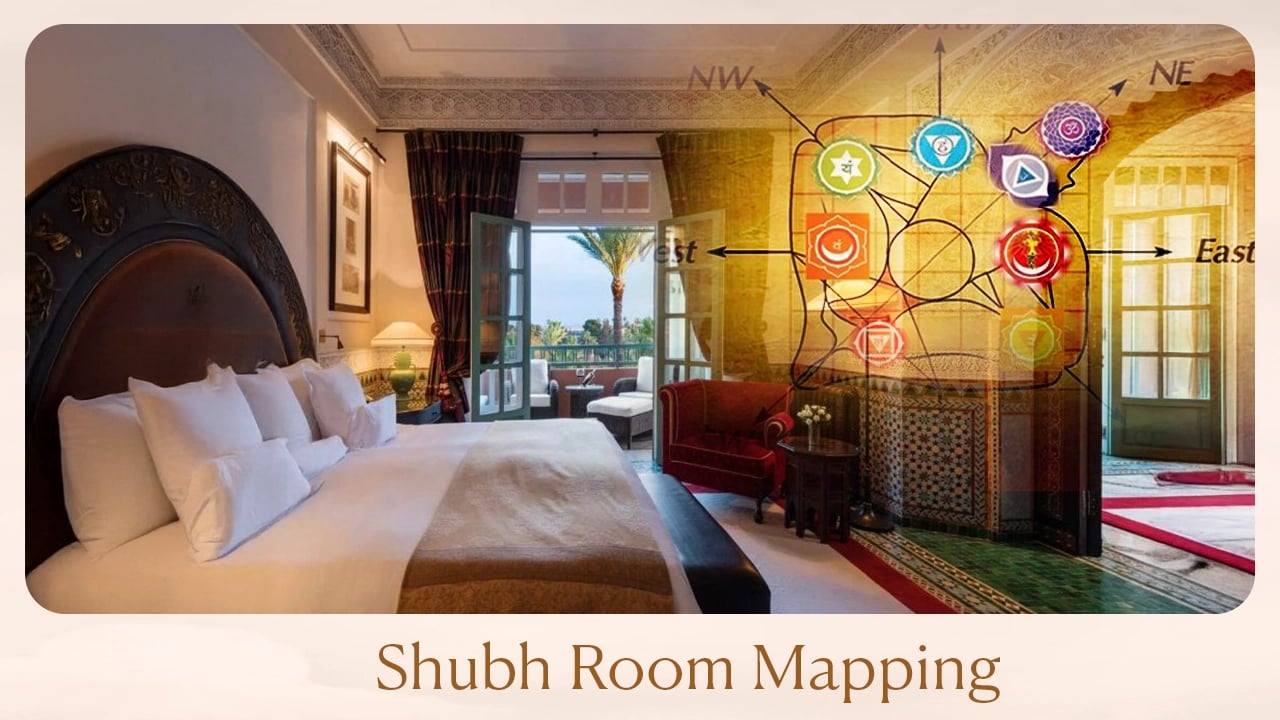
Introduction to Shubh Room Mapping
Have you ever walked into a room and instantly felt at ease, or maybe the opposite—uneasy and restless? That’s not just your imagination. The spaces we inhabit have a profound impact on our mood, productivity, and overall well-being. Welcome to the ultimate guide for a happy space, where we’ll dive deep into the art and science of Shubh Room Mapping—your ticket to a more joyful, harmonious home.
Read Also: Understanding Angel Number 0808: Meaning, Abundance Spiritual Guidance
What is Shubh Room Mapping?
Shubh Room is a holistic approach to organizing and designing your living spaces to maximize positivity, comfort, and happiness. “Shubh” means auspicious or lucky in Sanskrit, and this method draws from ancient wisdom, modern psychology, and practical design principles to create rooms that truly feel like a sanctuary.

The Origins of Shubh Room Mapping
While the term “Shubh Room Mapping” is modern, its roots stretch back to age-old traditions like Vastu Shastra and Feng Shui. These philosophies emphasize the importance of spatial arrangement, energy flow, and environmental harmony. Today, Shubh Room blends these ancient insights with contemporary design, making it accessible and relevant for everyone.
Why Your Space Affects Your Mood
Think about it: cluttered desks make us anxious, dark corners feel gloomy, and open, airy rooms lift our spirits. Our brains are wired to respond to our environment. The colors, lighting, and even the way furniture is arranged can either boost our mood or drag us down. That’s why mapping your room for happiness isn’t just a luxury—it’s a necessity.
The Science Behind Happy Spaces
It’s not all just tradition and intuition. Studies show that well-organized, aesthetically pleasing spaces can reduce stress, improve focus, and even enhance creativity. Natural light, for example, increases serotonin levels, while plants purify the air and bring a sense of calm. Shubh Room leverages these scientific findings to create spaces that nurture your mind and soul.
Read Also: Best Astrologer in Meerut
Key Principles of Shubh Room Mapping
Balance and Harmony
A happy space is all about balance. Too much of anything—be it color, furniture, or decor—can overwhelm the senses. Shubh Room encourages a harmonious blend of elements, ensuring that every item has a purpose and a place.
Energy Flow
Ever heard of “chi” or “prana”? These terms refer to the life force or energy that flows through a space. Blocked pathways, clutter, or poorly placed furniture can disrupt this flow, leading to stagnation and discomfort. The goal is to create a smooth, unobstructed movement of energy throughout your room.
Personalization
Your space should reflect you—your tastes, your memories, your aspirations. Personal touches, like family photos or souvenirs from travels, infuse your room with positive energy and make it uniquely yours.
Step-by-Step Guide to Shubh Room Mapping
Ready to transform your space? Let’s break it down into actionable steps.
Assessing Your Current Space
Start by taking a good, honest look at your room. What feels right? What feels off? Walk around, sit in different spots, and notice how each area makes you feel. Jot down your observations.
Identifying Positive and Negative Zones
Every room has its “hotspots”—areas that feel vibrant and others that seem dull or chaotic. Map out these zones. Maybe the corner by the window feels peaceful, while the area near the door is always messy. This awareness is the first step to change.
Decluttering for Clarity
Clutter is the enemy of happiness. It clouds your mind and blocks energy flow. Start by removing items you no longer need or love. Donate, recycle, or toss them. You’ll be amazed at how much lighter and brighter your room feels.
Choosing the Right Colors
Colors have a psychological impact. Soft blues and greens promote calm, while yellows and oranges energize. Choose a palette that matches the mood you want to create. Don’t be afraid to experiment with accent walls or colorful decor.
Arranging Furniture for Flow
Furniture placement can make or break a room. Avoid blocking pathways or windows. Arrange seating to encourage conversation and connection. If possible, position your bed or desk so you can see the door—this creates a sense of security and control.
Incorporating Natural Elements
Nature is a powerful mood booster. Add plants, flowers, or even a small water feature. Natural materials like wood, stone, and cotton bring warmth and texture to your space.
Lighting Matters
Good lighting is essential. Maximize natural light during the day, and use layered lighting (ambient, task, and accent) in the evenings. Soft, warm bulbs create a cozy atmosphere, while bright, cool lights are great for workspaces.
Adding Personal Touches
Display items that make you smile—photos, artwork, or mementos. These personal touches remind you of happy moments and loved ones, infusing your space with positive vibes.
Common Mistakes to Avoid
- Overcrowding the room with furniture or decor
- Ignoring clutter or letting it pile up
- Using harsh, unflattering lighting
- Choosing colors that clash or overwhelm
- Forgetting to personalize the space
Avoiding these pitfalls will keep your room feeling fresh and inviting.
Read Also: Best Astrologer in Delhi
Shubh Room Mapping for Different Spaces
Bedroom
Your bedroom should be a restful retreat. Use calming colors, soft textures, and minimal electronics. Keep the area under your bed clear to promote good energy flow.
Living Room
This is the heart of your home. Arrange seating to foster conversation, use warm lighting, and add cozy throws or cushions. Plants and artwork can add life and personality.
Home Office
Productivity is key here. Keep your desk clutter-free, use energizing colors like green or blue, and ensure plenty of natural light. Add a plant or two for a touch of nature.
Children’s Room
Kids need space to play and grow. Use bright, cheerful colors, low storage for toys, and plenty of open floor space. Personalize with their artwork or favorite characters.
The Role of Scent and Sound
Don’t underestimate the power of your senses. Pleasant scents like lavender or citrus can uplift your mood, while soft music or nature sounds create a soothing ambiance. Consider using essential oil diffusers or small speakers to enhance your space.
Maintaining Your Happy Space
A happy space isn’t a one-time project—it’s an ongoing practice. Regularly tidy up, refresh decor, and check in with how your room feels. Small changes, like swapping out cushions or adding a new plant, can make a big difference.
Benefits of Shubh Room Mapping
- Boosts mood and reduces stress
- Enhances productivity and creativity
- Improves sleep and relaxation
- Strengthens relationships by fostering connection
- Creates a sense of pride and ownership in your home
Real-Life Success Stories
Take Priya, for example. She struggled with anxiety until she revamped her bedroom using Shubh Room principles. By decluttering, adding soft lighting, and incorporating her favorite colors, she created a sanctuary that helped her sleep better and feel more at peace.
Or consider Raj, who transformed his cramped home office into a productivity powerhouse by rearranging furniture, adding plants, and using energizing colors. His focus and motivation soared.
Conclusion of Shubh Room Mapping
Your home is more than just four walls—it’s a reflection of your inner world. By embracing Shubh Room , you can create spaces that nurture your happiness, support your goals, and bring you lasting joy. Remember, it’s not about perfection; it’s about creating a space that feels right for you. So go ahead, start mapping your way to a happier, more harmonious home today!
Read Also: Monthly Numerology Predictions For March 2025
FAQs of Shubh Room Mapping
Q1:What is the first step in Shubh Room Mapping?
Ans: Start by assessing your current space—notice how each area makes you feel and identify positive and negative zones.
Q2:Can I use Shubh Room Mapping in a small apartment?
Ans: Absolutely! The principles work for any size space. Focus on decluttering, maximizing light, and personalizing your room.
Q3.How often should I update my room mapping?
Ans: Check in with your space every few months or whenever you feel stuck or uninspired. Small tweaks can keep the energy fresh.
Q4:Do I need to buy new furniture for Shubh Room Mapping?
Ans: Not necessarily. Rearranging existing furniture and adding small touches like plants or new cushions can make a big impact.
Q5:Is Shubh Room Mapping the same as Feng Shui or Vastu?
Ans: While it draws inspiration from both, Shubh Room is a modern, flexible approach that blends ancient wisdom with contemporary design for today’s homes.
For interesting astrology-related videos, subscribe to us on YouTube