Plants Vastu: Best Plants, Directions & Placement Tips
Complete plants Vastu guide covering plant direction, placement, indoor plants, balcony plants and remedies.

Written by By Hanish Bagga
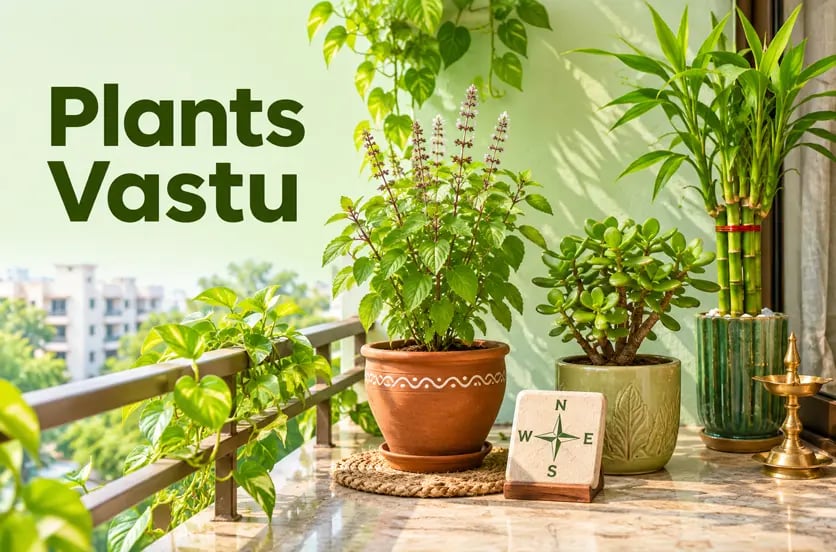
Plants Vastu: A Complete Guide to Indoor and Outdoor Plants
Plants can improve the feel of a home by adding greenery, freshness and a connection with nature. Because they affect light, airflow and atmosphere, their placement matters both practically and according to traditional Vastu principles.
In Vastu Shastra, plants are often associated with growth and freshness. Their direction, placement and care are considered important because they affect the overall feel of the space.
This guide explains plants Vastu in a practical, balanced way. It is useful for homeowners, apartment residents and anyone planning indoor or outdoor plants.
Expert-review note: All directional, remedy and Astro Vastu recommendations must be reviewed and approved by Hanish Bagga before publication.
What Is Plants Vastu?
Plants Vastu considers the location, arrangement and practical use of the relevant space or element. It looks beyond direction alone and includes placement, movement, ventilation, safety and the relationship with nearby areas.
Ideal Direction or Location
Traditional Vastu commonly considers the north, east and north-east favourable for plants because these directions are associated with growth, freshness and natural light. The best direction depends on the plant type, available light and climate.
North plants
North-facing plants are commonly considered favourable in traditional Vastu. Ensure the plants receive appropriate light and water.
East plants
East-facing plants are often considered favourable because they receive morning sunlight. Focus on plant health and placement.
North-East plants
North-east plants are often considered auspicious. Keep the area clean and uncluttered.
South plants
South-facing plants may be considered depending on plant type and sunlight. Assess heat and water needs.
West plants
West-facing plants may be considered depending on light and climate.
Exact Placement Guidance
Place plants where they receive appropriate light and do not block movement, windows or ventilation. Avoid keeping dry or dying plants indoors for long periods.
Orientation and Facing Direction
Plants do not have a fixed facing direction. Focus on light, airflow, watering needs and safe placement.
Layout Guidance
Create a balanced arrangement with enough space between plants. Avoid overcrowding windows, balconies or corners with too many pots.
Colours
Use natural greens and earthy tones. Avoid artificial colours that do not suit the space or plant type.
Materials and Elements
Use durable, well-draining pots and safe potting materials. Avoid materials that trap moisture or are difficult to clean.
Lighting and Ventilation
Ensure plants receive appropriate light for their type. Avoid placing shade-loving plants in direct harsh sunlight.
Doors and Windows
Ensure plants do not block doors, windows or ventilation. Keep the area around openings clear.
Shape and Size
An unusually narrow or irregular space can affect plant placement. Where possible, maintain clear walkways and avoid overcrowding.
Important Objects and Equipment
The following elements should be considered while planning or reviewing this space:
• Indoor plants
• Outdoor plants
• Pots
• Watering arrangement
• Balcony
• Terrace
• Windows
• Lighting
Common Vastu Mistakes
Avoid treating Vastu as a set of fear-based rules. The following are practical issues that can affect comfort, safety, usability and the overall feel of the space:
• Keeping dry or dying plants indoors.
• Blocking windows, doors or ventilation with large plants.
• Overcrowding a balcony or corner with too many pots.
• Using plants that require more light or water than the space can provide.
• Ignoring drainage and water overflow.
Existing Wrong Placement: What Can Be Done?
If plant placement cannot be changed, improve plant health, pot drainage, lighting and organisation. Remove dry or dying plants and avoid overcrowding.
Remedies and Corrections
Avoid generic internet remedies. Focus on practical, safe and reversible improvements first. Any remedy should be reviewed by Hanish Bagga and should not involve unsafe electrical work, structural changes or disturbance to religious sentiments.
New Construction Versus Existing Property
In a new construction, direction and layout can be planned before construction. In an existing property, focus on practical improvements that do not require major structural work.
Flat Versus Independent House
In apartments, focus on balcony plants, indoor plants near windows and safe watering arrangements. Avoid blocking ventilation or drainage.
Special Situations
• Small balcony: prioritise drainage, safety and organisation.
• Indoor plants: assess light and humidity.
• Rented apartment: focus on reversible improvements such as pot placement and watering.
• Plants near bedroom: assess light and airflow.
What If Questions
What if the balcony is in the south?
Do not assume relocation is necessary. Assess heat, ventilation and plant type first. In many cases, practical improvements such as shading and organisation may be enough.
What if the plant is drying?
Improve watering, light and pot drainage. Remove dry or dying plants if they cannot be revived.
What if I live in a rented apartment?
Focus on reversible improvements such as pot placement and watering. Avoid permanent structural changes without landlord approval.
What if the plant blocks a window?
Move the plant to a location that does not block light or ventilation. Avoid overcrowding the space.
What if the plant is indoors?
Choose plants that suit indoor light and humidity. Avoid overcrowding the room.
Myths Versus Reality
• Myth: A plant in the south always needs relocation. Reality: An existing plant should be assessed in the context of light, water and care.
• Myth: Plants Vastu is only about direction. Reality: Plant health, drainage and placement matter equally.
• Myth: More plants are always better. Reality: Plant health and space matter more.
Original Examples
• If the balcony is in the south, improve shading and organisation rather than assuming relocation is required.
• If the plant is drying, improve watering, light and pot drainage.
Hanish Bagga’s Practical Insight
To be provided by Hanish Bagga. This section should include real observations from consultations, common mistakes, exceptions and situations where generic advice may not apply.
How Astro Vastu Goes Beyond General Vastu Guidelines
General Vastu guidance focuses on the property layout, direction and practical arrangement. An Astro Vastu consultation may also consider the occupants’ astrological factors and individual circumstances, according to Acharya Ganesh’s methodology.
When General Vastu Advice May Not Be Enough
Consider a consultation if the layout is complicated, there are multiple concerns, structural changes are difficult, or you want guidance based on your specific property and astrological chart.
Want guidance specific to your property? Explore Astro Vastu consultation
Practical Checklist
■ Location and direction reviewed.
■ Placement and movement space checked.
■ Orientation and facing direction reviewed.
■ Lighting and ventilation checked.
■ Storage and organisation reviewed.
■ Existing-property limitations considered.
■ Safety and maintenance access checked.
■ Astro Vastu consultation considered where needed.
Frequently Asked Question
Which direction is best for plants?
North, east and north-east are commonly considered favourable in traditional Vastu. The best direction depends on plant type, light and climate.
Can I keep plants in the bedroom?
Yes, but avoid overcrowding the room or blocking ventilation. Choose plants that suit indoor light and humidity.
Can I keep plants on the balcony?
Yes. Plants can improve the feel of a balcony, but avoid blocking drainage, light or movement.
Can I improve plants Vastu without renovation?
Yes. Plant health, pot drainage, lighting and organisation can often be improved without renovation.
Can I improve plants Vastu in a rented apartment?
Yes. Focus on reversible improvements such as pot placement and watering.
What if the plant is drying?
Improve watering, light and pot drainage. Remove dry or dying plants if they cannot be revived.