Full Moon Rituals for Manifestation: Vedic Insights for Better Outcomes
Introduction To Full Moon Rituals The full moon has long been revered as a powerful time for manifestation and spiritual growth. In Vedic tradition, this celestial event holds particular significance, offering a unique opportunity to align our intentions with the universe’s energy. This article explores the ancient wisdom of Vedic full moon rituals and how…
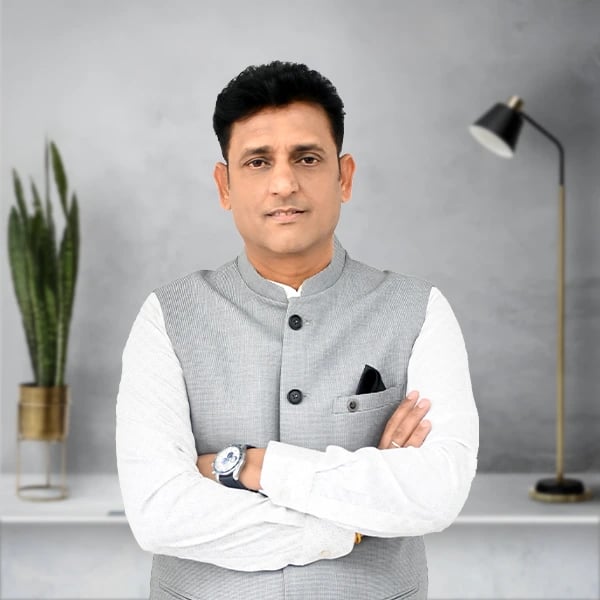
Written by By Hanish Bagga

Introduction to Full Moon Rituals
The full moon has long been revered as a powerful time for manifestation and spiritual growth. In Vedic tradition, this celestial event holds particular significance, offering a unique opportunity to align our intentions with the universe’s energy. This article explores the ancient wisdom of Vedic full moon rituals and how they can be applied to enhance our manifestation practices.
Read Also: Zodiac Signs That Need More Work-Life Balance
Understanding Full Moon Rituals
The Significance of Full Moons in Vedic Tradition
In Vedic astrology, the moon plays a crucial role in our emotional and spiritual well-being. The full moon, known as “Purnima” in Sanskrit, is considered a time of heightened energy and potential. It’s believed that during this phase, the barrier between the physical and spiritual realms becomes thinner, making it easier to connect with our higher selves and the divine.
Harnessing Lunar Energy for Manifestation
The full moon’s energy is particularly potent for manifestation work. Its illuminating quality is thought to bring clarity to our desires and intentions, while its magnetic pull can help draw our goals closer to reality. By aligning our practices with this lunar cycle, we can tap into a powerful source of cosmic energy to support our manifestation efforts.

Preparing for Full Moon Rituals
Cleansing Your Space
Before beginning any ritual, it’s essential to create a sacred space. In Vedic tradition, this often involves cleansing the area with sage or palo santo, known as “smudging.” You might also consider using traditional Vedic methods like sprinkling holy water or lighting a diya (oil lamp) to purify the space.
Gathering Necessary Materials
Depending on the rituals you choose to perform, you may need various items such as candles, crystals, a journal, or specific herbs associated with the moon. In Vedic practice, items like ghee (clarified butter), rice, and flowers are often used in rituals and offerings.
Vedic Full Moon Rituals for Manifestation
Moon Bathing
One of the simplest yet powerful rituals is moon bathing. This involves sitting or lying under the full moon, allowing its light to bathe you. In Vedic tradition, this practice is believed to cleanse your aura and recharge your spiritual energy. As you bask in the moonlight, focus on your intentions and visualize them coming to fruition.
Chandra Namaskar (Moon Salutation)
Chandra Namaskar is a series of yoga poses performed as a salutation to the moon. This flowing sequence helps balance the body’s lunar energy and can be a beautiful way to physically embody your intentions. As you move through the poses, synchronize your breath with your movements and keep your manifestation goals in mind.
Moonwater Preparation
Preparing moon water is a popular ritual in many traditions, including Vedic practice. Place a container of water under the full moon overnight, allowing it to absorb the lunar energy. This water can then be used for cleansing, in rituals, or even consumed to internalize the moon’s energy.
Mantra Chanting
Mantras are sacred sounds or phrases that hold specific vibrational frequencies. In Vedic tradition, chanting mantras during the full moon is believed to amplify their power. Some popular mantras for manifestation include:
- “Om Chandraya Namaha” (Salutations to the Moon)
- “Om Shreem Maha Lakshmiyei Namaha” (Invoking abundance and prosperity)
- “Om Namo Bhagavate Vasudevaya” (Connecting with the divine consciousness)
Crystals and Gemstones
Vedic astrology associates certain gemstones with lunar energy. Moonstone, pearl, and selenite are particularly connected to the moon and can be powerful tools for manifestation. Place these crystals on your altar, hold them during meditation, or wear them as jewelry to enhance your connection with lunar energy.
Enhancing Manifestation with Vedic Practices
Sankalpas (Intentions)
In Vedic tradition, a sankalpa is a heartfelt intention or resolution. During the full moon, take time to set clear, positive sankalpas for what you wish to manifest. Write them down and speak them aloud, infusing them with emotion and conviction.
Yagyas (Fire Ceremonies)
Yagyas are sacred fire ceremonies used in Vedic rituals to honor deities and manifest desires. While traditional yagyas are complex and often performed by priests, you can create a simplified version at home. Light a candle or small fire pit, and offer ghee, rice, or flower petals while focusing on your intentions.
Meditation and Visualization
Meditation is a cornerstone of Vedic spiritual practice. During the full moon, engage in guided visualizations or silent meditation to connect with your inner wisdom and the universal consciousness. Visualize your goals as already achieved, feeling the emotions associated with their manifestation.
Read Also: Best Astrologer for Match-Making in Kashmir
Aligning with Lunar Cycles
Understanding Lunar Phases
While the full moon is powerful, each phase of the lunar cycle offers unique energy for manifestation. The waxing moon is ideal for starting new projects and setting intentions, while the waning moon is better for releasing and letting go. Understanding these phases can help you time your rituals for maximum effectiveness.
Timing Your Rituals
In Vedic astrology, the most auspicious time for rituals is often considered to be during “Brahma Muhurta,” the period about 1.5 hours before sunrise. However, for rituals, any time during the night of the full moon can be powerful.
Incorporating Ayurvedic Principles
Doshas and Lunar Energy
Ayurveda, the sister science of Yoga, recognizes three primary doshas or body types: Vata, Pitta, and Kapha. The moon is associated with the water element and can have a calming effect on Pitta (fire) dosha. Understanding your dominant dosha can help you tailor your full moon practices for better balance and manifestation.
Balancing Elements for Manifestation
In Ayurvedic philosophy, balancing the five elements (earth, water, fire, air, and ether) within us is key to health and spiritual growth. During rituals, you might focus on balancing these elements through specific yoga poses, breathing exercises, or the use of essential oils associated with each element.
Common Mistakes to Avoid
When practicing rituals, it’s important to avoid common pitfalls:
- Don’t rush the process. Take time to connect deeply with your intentions.
- Avoid setting negative or harmful intentions.
- Don’t neglect self-reflection and personal growth alongside manifestation work.
- Remember that manifestation is a co-creative process with the universe; avoid trying to control every outcome.
Integrating Full Moon Rituals into Daily Life
While rituals are powerful, true manifestation comes from consistent practice. Consider creating a daily ritual that aligns with your full moon intentions. This could be as simple as a few minutes of meditation each morning or keeping a gratitude journal.
Conclusion of Full Moon Rituals
Full moon rituals rooted in Vedic tradition offer a profound way to connect with lunar energy and enhance our manifestation practices. By incorporating these ancient insights into our modern lives, we can tap into a wellspring of cosmic support for our goals and desires. Remember, the key to successful manifestation lies not just in the rituals themselves, but in the sincerity and consistency of our practice. As you explore these Vedic rituals, remain open to the wisdom they offer and the transformative power they can bring to your life.
Read Also : What Do Retrograde Planets Reveal About Your Past, Present, and Future?
FAQs of Full Moon Rituals
Q1:How often should I perform full moon rituals?
Ans: Full moon rituals can be performed monthly, aligning with each full moon. However, the frequency can be adjusted based on your personal practice and goals.
Q2:Do I need to be outside to perform full moon rituals?
Ans: While being under the direct moonlight can enhance the experience, it’s not essential. You can perform rituals indoors near a window or even without direct moonlight if necessary.
Q3:Can I combine Vedic full moon rituals with other spiritual practices?
Ans: Absolutely! Many people find that combining different spiritual traditions enhances their practice. Feel free to incorporate elements that resonate with you.
Q4:What if I miss the exact full moon night?
Ans: The energy of the full moon is typically potent for about three days surrounding the peak. If you miss the exact night, you can still perform your rituals within this window.
Q5:Are there any precautions I should take when performing full moon rituals?
Ans: Always approach rituals with respect and positive intentions. If you’re new to these practices, start simple and gradually incorporate more complex elements as you become comfortable.
For interesting astrology-related videos, subscribe to us on YouTube