Importance of Pitru Paksha – Spiritual Significance & Rituals
Discover the importance of Pitru Paksha in Hinduism. Learn how Shraddha rituals, offerings, and bring blessings to future generations.

Written by By Hanish Bagga
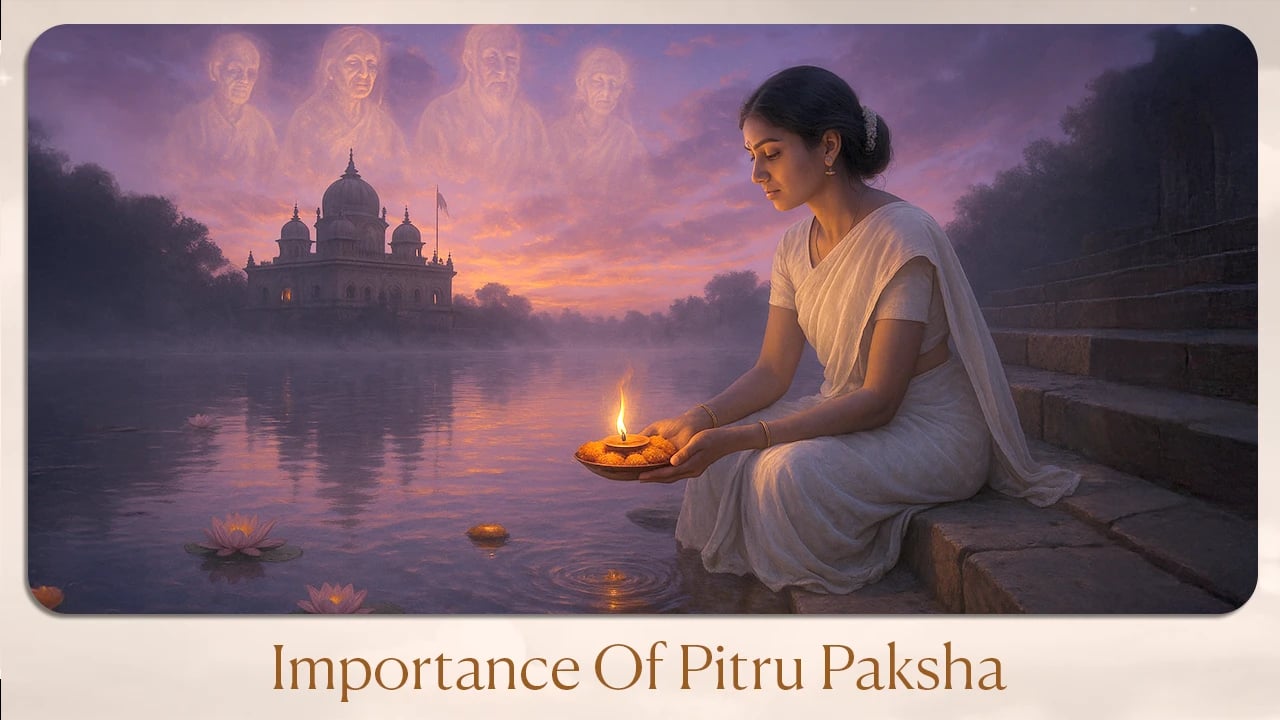
Importance of pitru paksha
Have you ever wondered why your grandmother insists on performing certain rituals during specific days of the year? Or why there's such reverence for those who've passed away in Hindu culture? Welcome to the profound world of Importance of pitru paksha – a sacred period that beautifully weaves together spirituality, gratitude, and family bonds in ways that might surprise you. In our fast-paced modern world, we often forget the shoulders we stand on. Pitru Paksha serves as a gentle reminder that we're part of an unbroken chain of generations, each contributing to who we are today.
Read Also: Understanding Angel Number 0808: Meaning, Abundance Spiritual Guidance
What is Pitru Paksha?
Pitru Paksha, literally meaning "fortnight of the ancestors," is a 16-day lunar period in the Hindu calendar dedicated to paying homage to our departed ancestors. Think of it as a spiritual bridge connecting the living with those who've transcended physical existence.
During this sacred time, Hindus believe that the souls of ancestors descend to Earth, seeking blessings and offerings from their descendants. It's not about fear or superstition – it's about gratitude, remembrance, and maintaining spiritual connections that transcend death itself.
Historical and Mythological Origins
The roots of Pitru Paksha stretch deep into ancient Hindu scriptures. The Garuda Purana and Brahma Purana extensively describe these practices, while the epic Mahabharata contains beautiful narratives about Karna and his ancestral offerings.
Legend has it that when Karna died and reached the afterlife, he was offered gold and jewels instead of food. Confused, he learned that while he had donated generously during his lifetime, he had never offered food to his ancestors. This story powerfully illustrates why food offerings during Pitru Paksha hold such significance.

The Duration and Timing of Pitru Paksha
Pitru Paksha typically falls during the Krishna Paksha (waning moon phase) of the month of Bhadrapada or Ashwin, usually corresponding to September-October in the Gregorian calendar. The period begins on the full moon day (Purnima) and concludes on the new moon day (Amavasya), known as Sarva Pitru Amavasya.
Each day of this fortnight corresponds to specific lunar dates when different categories of ancestors are honored. It's like having a spiritual calendar where every day has its own significance and purpose.
Read Also: Vargottama Planet and your Potential in Life
The Spiritual Significance Behind Ancestor Worship
From a spiritual perspective, Pitru Paksha operates on the principle that death is merely a transition, not an end. Our ancestors exist in different realms, and our prayers, offerings, and remembrance can positively impact their spiritual journey.
This practice also cultivates essential qualities in us: gratitude, humility, and an understanding that we're part of something larger than ourselves. When we honor our ancestors, we're essentially nurturing the better angels of our nature.
Read Also: Astrology for Turning Career Pressure into Success
Key Rituals and Practices During Pitru Paksha
Shraddha Ceremonies
Shraddha is the cornerstone ritual of Pitru Paksha. The word itself means "faith" or "devotion." These ceremonies involve offering food, water, and prayers to ancestors, typically performed by the eldest male member of the family, though modern interpretations allow for more inclusive participation.
The ritual usually includes preparing specific foods, offering them to Brahmins (representing the ancestors), and performing prescribed mantras and prayers.
Pitra Dosh Remedies
Pitra Dosh refers to ancestral afflictions that might affect the family lineage. Pitru Paksha provides an opportunity to address these through specific remedies, prayers, and charitable acts, bringing peace to both the living and the departed.
Read Also: Best Astrologer for Match-Making in Odisha
Traditional Foods and Offerings
Food plays a central role in Pitru Paksha observances. Traditional offerings include kheer (rice pudding), puri, dal, vegetables, and sweets. The meal is typically prepared with love and devotion, as if cooking for beloved family members – which, in essence, it is.
The food is first offered to the ancestors, then distributed among Brahmins, and finally consumed by the family. This creates a beautiful cycle of sharing and blessing.
Modern Relevance in Contemporary Hindu Families
You might wonder: does Pitru Paksha have relevance in our modern, technology-driven world? Absolutely! In fact, it's more important now than ever.
As families become geographically scattered and digitally connected, Pitru Paksha provides an opportunity to pause, reflect, and reconnect with our roots. It's about values transmission, family history preservation, and maintaining cultural continuity.
Benefits of Observing Pitru Paksha
The benefits of observing Pitru Paksha extend beyond the spiritual realm:
- Family bonding: Brings scattered families together
- Cultural preservation: Keeps traditions alive for future generations
- Spiritual growth: Develops gratitude and humility
- Mental peace: Provides closure and connection with departed loved ones
- Community service: Encourages charitable acts and feeding others
Conclusion of Importance of pitru paksha
Importance of pitru paksha beautifully embodies Hinduism's understanding that life and death are part of a continuous cycle, and our connections with loved ones transcend physical boundaries. In a world that often emphasizes individual achievement, this tradition reminds us that we're part of an ancestral tapestry, woven together by love, sacrifice, and shared humanity. Whether you observe Pitru Paksha through elaborate rituals or simple remembrance, the essence remains the same: honoring those who came before us, expressing gratitude for their contributions, and ensuring their legacy continues through our actions and values.As we navigate modern life's complexities, perhaps we could all benefit from pausing during Pitru Paksha to ask ourselves: How can we honor our ancestors not just through ritual, but through the way we live, love, and contribute to the world?
FAQs of Importance of pitru paksha
Q1.Can women perform Pitru Paksha rituals?
Ans: Yes, while traditionally performed by male family members, modern interpretations recognize that women can also perform these rituals, especially in the absence of male descendants. The intention and devotion matter more than gender.
Q2.What if I don't know my ancestors' exact death dates?
Ans: Don't worry! You can perform the rituals on Sarva Pitru Amavasya (the final day of Pitru Paksha), which is considered suitable for honoring all ancestors, regardless of their specific death dates.
Q3.Is it necessary to perform elaborate ceremonies?
Ans: Not at all. Simple offerings of water, food, and sincere prayers are sufficient. The key is devotion and remembrance, not the grandeur of the ceremony.
Q4.Can Pitru Paksha be observed outside India?
Ans: Absolutely! Hindu families worldwide observe Pitru Paksha. You can adapt the rituals to your local circumstances while maintaining the spiritual essence of ancestor worship.
Q5.What should I do if I'm traveling during Pitru Paksha?
Ans: You can perform simple rituals wherever you are. Offer water to the sun, remember your ancestors in your prayers, or perform charitable acts in their memory. Physical location is less important than spiritual intention.
For interesting astrology-related videos, subscribe to us on Youtube