Professional Job Restart - Exciting Way Forward
Introduction to Job Restart Have you ever felt like your career hit a dead end, leaving you wondering if it's too late to start fresh? You're not alone. In today's rapidly evolving professional landscape, career restarts have become not just common but incredibly exciting opportunities for growth and reinvention. A professional job restart isn't a sign of failure – it's a bold step toward creating the career you've always wanted. Think of a career restart as hitting the refresh button on your professional life. Whether you're returning to work after a break, switching industries, or simply ready for a new challenge, this journey represents unlimited potential waiting to be unleashed. The beauty of starting over lies in the wisdom you've gained and the fresh perspective you bring to the table. Read Also: Understanding Angel Number 0808: Meaning, Abundance Spiritual Guidance Understanding Professional Job Restart What Constitutes a Job Restart A professional job restart encompasses various scenarios where individuals make significant changes to their career trajectory. This might involve re-entering the workforce after extended time away, pivoting to an entirely different industry, or pursuing a passion that was previously just a hobby. Unlike traditional job changes, a restart often requires rebuilding professional identity from the ground up. The key difference between a job change and a career restart is the scope of transformation involved. While job changes typically occur within familiar territory, restarts venture into uncharted professional waters. This journey requires courage, planning, and an openness to learning new skills. Different Scenarios Leading to Career Restarts Career restarts happen for numerous reasons, each presenting unique opportunities. Parents returning to work after raising children bring fresh perspectives and renewed energy. Professionals burned out in their current fields often discover hidden talents when exploring new directions. Economic shifts sometimes force career pivots that lead to more fulfilling work than ever imagined. Some individuals choose restarts to align their work with personal values or life circumstances. Others find themselves needing to restart due to industry changes, company closures, or health considerations. Regardless of the catalyst, each scenario offers a chance to redesign your professional future intentionally. The Psychology Behind Career Transitions Emotional Challenges of Starting Over Let's be honest – career restarts can feel overwhelming. The fear of starting at the bottom again, concerns about age discrimination, and uncertainty about new industries create emotional hurdles. These feelings are completely normal and actually indicate you're taking your future seriously. However, reframing these challenges as growth opportunities transforms the entire experience. Every expert was once a beginner, and your unique background provides advantages that fresh graduates simply don't possess. Your life experience, problem-solving abilities, and professional maturity become powerful assets in your new journey. Building Resilience and Confidence Resilience isn't built in comfort zones – it's forged through challenges and change. A career restart naturally builds this crucial skill as you navigate new territories and overcome obstacles. Each small victory, from updating your LinkedIn profile to completing an online course, builds momentum and confidence. Start by celebrating small wins and acknowledging your courage in pursuing change. Remember, you've successfully navigated career challenges before, and you possess the skills to do it again. This mindset shift transforms anxiety into excitement and fear into anticipation. Read Also: Best Vastu Consultant in Ahmedabad Assessing Your Current Position Self-Evaluation Techniques Before diving into job applications, take time for honest self-assessment. What skills energize you? Which accomplishments make you proudest? What work environments help you thrive? These questions reveal patterns that guide your restart strategy. Consider conducting a skills inventory, listing both technical and soft skills you've developed throughout your career. Many professionals underestimate their abilities, particularly those gained outside traditional work settings. Volunteer work, community involvement, and personal projects often develop valuable skills that transfer beautifully to new roles. Understanding Market Demands Research current job market trends in your areas of interest. Which skills are employers seeking? What salary ranges can you expect? How do your qualifications align with market demands? This information helps set realistic expectations and identify areas for skill development. Don't just rely on job boards – engage with industry publications, attend virtual conferences, and follow thought leaders in your target fields. This research phase isn't just about finding opportunities; it's about understanding the language, culture, and priorities of your new professional community. Modern Job Market Advantages Digital Transformation Opportunities Today's job market offers unprecedented opportunities for career changers. Digital transformation has created entirely new roles that didn't exist five years ago. Companies value diverse perspectives and fresh thinking, making career changers attractive candidates for many positions. The democratization of information means you can learn almost anything online, often at little to no cost. This accessibility levels the playing field, allowing motivated individuals to acquire relevant skills quickly. Your ability to learn and adapt becomes more valuable than having followed a traditional career path. Remote Work Revolution Remote work has expanded job opportunities beyond geographical limitations. You can now work for companies across the globe, accessing opportunities that previously required relocation. This flexibility is particularly beneficial for career restarters who may have location constraints or prefer gradual transitions. Remote work also allows for more flexible arrangements during your transition period. You might freelance in your new field while maintaining stability through part-time work in your previous area. This hybrid approach reduces financial stress while building experience in your target industry. Strategic Planning for Your Restart Setting Realistic Goals Successful career restarts require clear, achievable goals. Rather than aiming for immediate senior positions, focus on roles that allow skill building and industry integration. Consider lateral moves or even temporary step-backs as investments in your long-term career trajectory. Break larger goals into smaller, manageable tasks. Instead of "get a new job," set specific objectives like "complete two relevant online courses," "attend three industry networking events," or "submit five applications weekly." These concrete steps maintain momentum and provide regular opportunities for success. Creating Your Support Network Career transitions are rarely solo journeys. Build a network of supporters including family, friends, former colleagues, and new industry connections. Each person offers different perspectives and resources that can accelerate your restart. Consider joining professional associations, online communities, and local networking groups related to your target industry. These connections provide insider knowledge, job leads, and moral support during challenging moments. Remember, networking is about building genuine relationships, not just collecting contacts. Skill Development and Upskilling Identifying Skill Gaps Compare your current skills with requirements in your target roles. This gap analysis reveals specific areas for development and helps prioritize learning efforts. Focus on skills that appear frequently in job descriptions and offer the highest return on your time investment. Don't overlook soft skills, which are often just as important as technical abilities. Communication, project management, and adaptability are valuable across industries and roles. These skills, combined with your life experience, create a compelling professional profile. Leveraging Online Learning Platforms The abundance of online learning options makes skill development more accessible than ever. Platforms like Coursera, LinkedIn Learning, and industry-specific sites offer courses taught by experts. Many provide certificates that demonstrate your commitment to professional development. Choose courses strategically, focusing on those that offer hands-on projects and real-world applications. Practical experience, even through coursework, provides concrete examples for interviews and portfolio development. Document your learning journey – employers appreciate seeing continuous improvement and initiative. Personal Branding and Online Presence LinkedIn Optimization Your LinkedIn profile serves as your digital business card and professional story. Update your headline to reflect your career goals, not just your past experience. Use the summary section to explain your transition and highlight transferable skills that apply to your new direction. Share industry-relevant content, comment thoughtfully on posts, and publish articles about your learning journey. This activity demonstrates your engagement with your target field and helps build credibility within your new professional community. Building a Professional Portfolio Create a portfolio showcasing your best work, including projects from your previous career that demonstrate transferable skills. If you're changing industries significantly, consider developing new projects that directly relate to your target field. Your portfolio should tell a coherent story about your professional evolution. Include case studies that highlight problem-solving abilities, leadership experiences, and results achieved. This tangible evidence of your capabilities often speaks louder than resumes alone. Networking in the Digital Age Virtual Networking Strategies Digital networking has opened new avenues for building professional relationships. Attend virtual industry events, participate in online forums, and engage with content from professionals in your target field. These interactions can lead to valuable connections and opportunities. When reaching out to new contacts, personalize your messages and offer value rather than immediately asking for favors. Share relevant articles, offer insights, or simply express genuine interest in their work. Authentic relationship building creates stronger, more lasting professional connections. Finding Mentorship Opportunities Mentors provide invaluable guidance during career transitions. Look for experienced professionals in your target industry who might be willing to share insights and advice. Many seasoned professionals enjoy helping others navigate their career journeys. Formal mentorship programs exist through professional associations, companies, and online platforms. However, informal mentorship relationships often develop naturally through networking and genuine professional connections. Be open to learning from various sources and perspectives. Read Also: Best Astrologer in Bhubaneswar Resume and Application Strategies Crafting Your Restart Narrative Your resume should tell a compelling story about your career evolution. Rather than simply listing previous jobs, connect experiences to demonstrate progression toward your new career goals. Highlight transferable skills and achievements that relate to your target roles. Address your career change directly rather than hoping employers won't notice. Use your cover letter to explain your transition, emphasizing the unique value you bring as someone with diverse experience. Frame your change as intentional growth rather than desperation or dissatisfaction. Tailoring Applications Generic applications rarely succeed, especially for career changers who need to clearly connect their background to new roles. Research each company and position thoroughly, customizing your application to address specific requirements and company culture. Use keywords from job descriptions throughout your application materials. Many companies use applicant tracking systems that screen for relevant terms. However, ensure keyword integration feels natural and doesn't compromise readability or authenticity. Financial Planning During Transition Managing Transition Costs Career restarts often involve temporary income reduction or uncertainty. Plan financially by building an emergency fund before making major career changes. Calculate your minimum monthly expenses and save enough to cover several months of basic needs. Consider transitional roles that provide income while building experience in your target field. Freelancing, consulting, or part-time work can bridge financial gaps while developing new professional relationships and skills. Investing in Your Future View career restart expenses as investments rather than costs. Training programs, certification courses, and networking events require upfront spending but can dramatically accelerate your transition and increase long-term earning potential. Budget for professional development, updated wardrobe if needed, and technology upgrades. These investments in your professional image and capabilities pay dividends throughout your new career trajectory. Success Stories and Inspiration Real-World Career Restart Examples Consider Sarah, a marketing manager who transitioned to data analytics at age 45. She spent eight months learning Python and SQL through online courses while freelancing to maintain income. Her marketing background gave her unique insights into data interpretation that made her valuable to employers seeking analytical professionals who understand business context. Then there's Michael, a former restaurant manager who became a project manager in construction. His experience coordinating complex restaurant operations translated perfectly to managing construction timelines and teams. His career restart led to higher income and better work-life balance than he'd ever experienced. These stories illustrate that successful career restarts combine strategic planning, skill development, and persistence. Each person's journey is unique, but common elements include clear goals, continuous learning, and resilience through challenges. Future-Proofing Your Career Developing Adaptability Skills In today's rapidly changing work environment, adaptability is perhaps the most valuable skill you can develop. Embrace change as a constant and view learning as a lifelong process. This mindset serves you well not only during your current restart but throughout your entire career. Stay curious about industry trends, emerging technologies, and evolving work practices. The same skills that help you navigate a career restart – research, networking, and continuous learning – will keep your career relevant and resilient in the future. Building Long-Term Career Strategy Think beyond your immediate career restart to your long-term professional vision. Where do you want to be in five or ten years? What skills will be valuable in the future? How can you position yourself for continued growth and opportunities? Create a personal development plan that extends beyond your current transition. Regular skill updates, industry involvement, and relationship building should become ongoing practices rather than one-time restart activities. Conclusion Job Restart A professional job restart isn't just a career change – it's a transformation that opens doors to possibilities you might never have imagined. While the journey requires courage, planning, and persistence, it offers the incredible opportunity to create a career that truly aligns with your values, interests, and life goals. Remember, every expert was once a beginner, and your unique combination of experience and fresh perspective makes you a valuable addition to any team. The modern job market rewards adaptability, diverse thinking, and the kind of resilience that comes from successfully navigating major life changes. Your career restart is not just about finding a new job – it's about discovering new aspects of yourself and creating a professional future that excites and fulfills you. Take that first step, celebrate small victories along the way, and trust in your ability to create the career you've always wanted. Read Also: Vargottama Planet and your Potential in Life FAQs of Job Restart Q1:How long does a typical Job restart take? Ans: Career restart timelines vary greatly depending on industry, skill gaps, and market conditions. Generally, expect 6-12 months for the transition process, including skill development, networking, and job searching. However, some people find opportunities sooner while others may need more time for extensive retraining. Q2:Should I explain my career change in job interviews? Ans: Absolutely! Be proactive in addressing your career change with a positive, well-prepared explanation. Focus on transferable skills, your motivation for the change, and the unique value you bring. Frame it as intentional growth rather than running away from problems. Q3:Is it worth taking a lower salary for a career restart? Ans: This depends on your long-term goals and financial situation. Temporary salary reduction can be worthwhile if it leads to greater career satisfaction, growth potential, or higher future earnings. Calculate the long-term financial and personal benefits before making decisions. Q4:How do I handle age concerns during a career restart? Ans: Focus on your energy, adaptability, and the wisdom that comes with experience. Highlight your ability to learn new skills and your stability as an employee. Stay current with technology and industry trends, and demonstrate your enthusiasm for growth and change. Q5:What's the biggest mistake people make during career restarts? Ans: The biggest mistake is rushing the process without adequate preparation. Successful restarts require research, skill development, and strategic networking. Taking time to understand your target industry and build relevant capabilities significantly improves your chances of success. For interesting astrology-related videos, subscribe to us on YouTube

Written by By Hanish Bagga
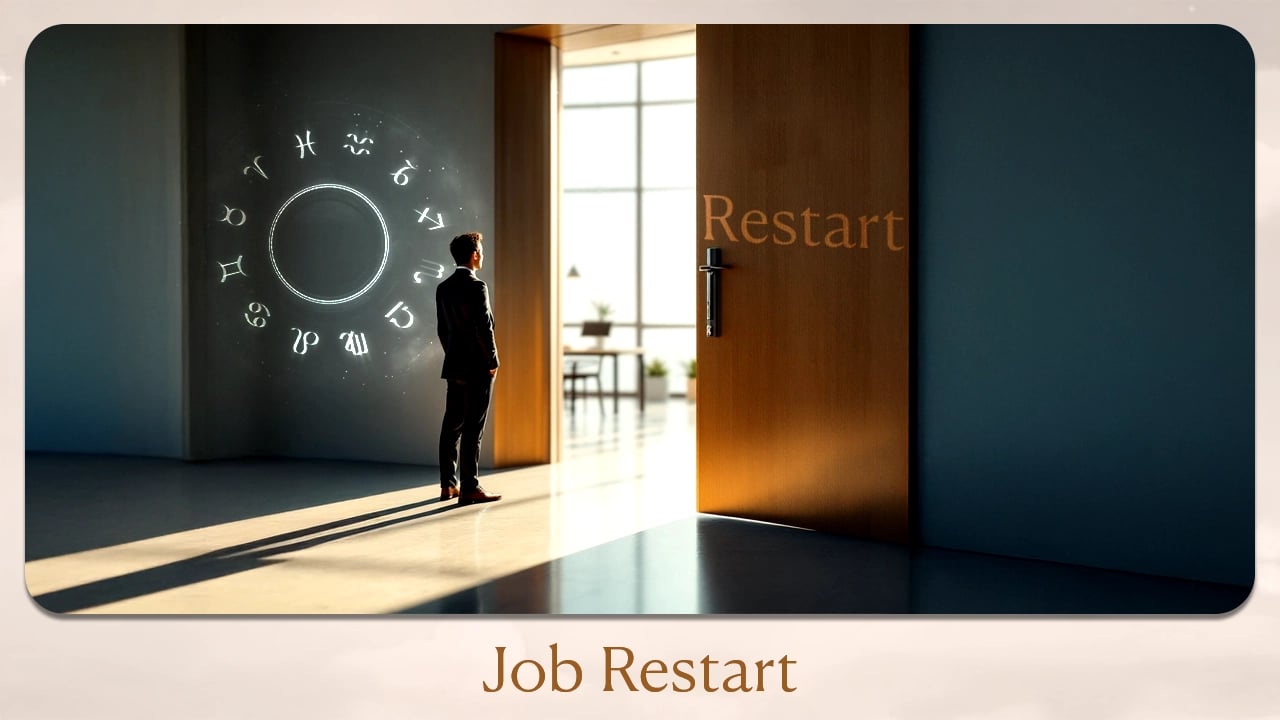
Introduction to Job Restart
Have you ever felt like your career hit a dead end, leaving you wondering if it's too late to start fresh? You're not alone. In today's rapidly evolving professional landscape, career restarts have become not just common but incredibly exciting opportunities for growth and reinvention. A professional job restart isn't a sign of failure – it's a bold step toward creating the career you've always wanted.
Think of a career restart as hitting the refresh button on your professional life. Whether you're returning to work after a break, switching industries, or simply ready for a new challenge, this journey represents unlimited potential waiting to be unleashed. The beauty of starting over lies in the wisdom you've gained and the fresh perspective you bring to the table.
Read Also: Understanding Angel Number 0808: Meaning, Abundance Spiritual Guidance
Understanding Professional Job Restart
What Constitutes a Job Restart
A professional job restart encompasses various scenarios where individuals make significant changes to their career trajectory. This might involve re-entering the workforce after extended time away, pivoting to an entirely different industry, or pursuing a passion that was previously just a hobby. Unlike traditional job changes, a restart often requires rebuilding professional identity from the ground up.
The key difference between a job change and a career restart is the scope of transformation involved. While job changes typically occur within familiar territory, restarts venture into uncharted professional waters. This journey requires courage, planning, and an openness to learning new skills.
Different Scenarios Leading to Career Restarts
Career restarts happen for numerous reasons, each presenting unique opportunities. Parents returning to work after raising children bring fresh perspectives and renewed energy. Professionals burned out in their current fields often discover hidden talents when exploring new directions. Economic shifts sometimes force career pivots that lead to more fulfilling work than ever imagined.
Some individuals choose restarts to align their work with personal values or life circumstances. Others find themselves needing to restart due to industry changes, company closures, or health considerations. Regardless of the catalyst, each scenario offers a chance to redesign your professional future intentionally.

The Psychology Behind Career Transitions
Emotional Challenges of Starting Over
Let's be honest – career restarts can feel overwhelming. The fear of starting at the bottom again, concerns about age discrimination, and uncertainty about new industries create emotional hurdles. These feelings are completely normal and actually indicate you're taking your future seriously.
However, reframing these challenges as growth opportunities transforms the entire experience. Every expert was once a beginner, and your unique background provides advantages that fresh graduates simply don't possess. Your life experience, problem-solving abilities, and professional maturity become powerful assets in your new journey.
Building Resilience and Confidence
Resilience isn't built in comfort zones – it's forged through challenges and change. A career restart naturally builds this crucial skill as you navigate new territories and overcome obstacles. Each small victory, from updating your LinkedIn profile to completing an online course, builds momentum and confidence.
Start by celebrating small wins and acknowledging your courage in pursuing change. Remember, you've successfully navigated career challenges before, and you possess the skills to do it again. This mindset shift transforms anxiety into excitement and fear into anticipation.
Read Also: Best Vastu Consultant in Ahmedabad
Assessing Your Current Position
Self-Evaluation Techniques
Before diving into job applications, take time for honest self-assessment. What skills energize you? Which accomplishments make you proudest? What work environments help you thrive? These questions reveal patterns that guide your restart strategy.
Consider conducting a skills inventory, listing both technical and soft skills you've developed throughout your career. Many professionals underestimate their abilities, particularly those gained outside traditional work settings. Volunteer work, community involvement, and personal projects often develop valuable skills that transfer beautifully to new roles.
Understanding Market Demands
Research current job market trends in your areas of interest. Which skills are employers seeking? What salary ranges can you expect? How do your qualifications align with market demands? This information helps set realistic expectations and identify areas for skill development.
Don't just rely on job boards – engage with industry publications, attend virtual conferences, and follow thought leaders in your target fields. This research phase isn't just about finding opportunities; it's about understanding the language, culture, and priorities of your new professional community.
Modern Job Market Advantages
Digital Transformation Opportunities
Today's job market offers unprecedented opportunities for career changers. Digital transformation has created entirely new roles that didn't exist five years ago. Companies value diverse perspectives and fresh thinking, making career changers attractive candidates for many positions.
The democratization of information means you can learn almost anything online, often at little to no cost. This accessibility levels the playing field, allowing motivated individuals to acquire relevant skills quickly. Your ability to learn and adapt becomes more valuable than having followed a traditional career path.
Remote Work Revolution
Remote work has expanded job opportunities beyond geographical limitations. You can now work for companies across the globe, accessing opportunities that previously required relocation. This flexibility is particularly beneficial for career restarters who may have location constraints or prefer gradual transitions.
Remote work also allows for more flexible arrangements during your transition period. You might freelance in your new field while maintaining stability through part-time work in your previous area. This hybrid approach reduces financial stress while building experience in your target industry.
Strategic Planning for Your Restart
Setting Realistic Goals
Successful career restarts require clear, achievable goals. Rather than aiming for immediate senior positions, focus on roles that allow skill building and industry integration. Consider lateral moves or even temporary step-backs as investments in your long-term career trajectory.
Break larger goals into smaller, manageable tasks. Instead of "get a new job," set specific objectives like "complete two relevant online courses," "attend three industry networking events," or "submit five applications weekly." These concrete steps maintain momentum and provide regular opportunities for success.
Creating Your Support Network
Career transitions are rarely solo journeys. Build a network of supporters including family, friends, former colleagues, and new industry connections. Each person offers different perspectives and resources that can accelerate your restart.
Consider joining professional associations, online communities, and local networking groups related to your target industry. These connections provide insider knowledge, job leads, and moral support during challenging moments. Remember, networking is about building genuine relationships, not just collecting contacts.
Skill Development and Upskilling
Identifying Skill Gaps
Compare your current skills with requirements in your target roles. This gap analysis reveals specific areas for development and helps prioritize learning efforts. Focus on skills that appear frequently in job descriptions and offer the highest return on your time investment.
Don't overlook soft skills, which are often just as important as technical abilities. Communication, project management, and adaptability are valuable across industries and roles. These skills, combined with your life experience, create a compelling professional profile.
Leveraging Online Learning Platforms
The abundance of online learning options makes skill development more accessible than ever. Platforms like Coursera, LinkedIn Learning, and industry-specific sites offer courses taught by experts. Many provide certificates that demonstrate your commitment to professional development.
Choose courses strategically, focusing on those that offer hands-on projects and real-world applications. Practical experience, even through coursework, provides concrete examples for interviews and portfolio development. Document your learning journey – employers appreciate seeing continuous improvement and initiative.
Personal Branding and Online Presence
LinkedIn Optimization
Your LinkedIn profile serves as your digital business card and professional story. Update your headline to reflect your career goals, not just your past experience. Use the summary section to explain your transition and highlight transferable skills that apply to your new direction.
Share industry-relevant content, comment thoughtfully on posts, and publish articles about your learning journey. This activity demonstrates your engagement with your target field and helps build credibility within your new professional community.
Building a Professional Portfolio
Create a portfolio showcasing your best work, including projects from your previous career that demonstrate transferable skills. If you're changing industries significantly, consider developing new projects that directly relate to your target field.
Your portfolio should tell a coherent story about your professional evolution. Include case studies that highlight problem-solving abilities, leadership experiences, and results achieved. This tangible evidence of your capabilities often speaks louder than resumes alone.
Networking in the Digital Age
Virtual Networking Strategies
Digital networking has opened new avenues for building professional relationships. Attend virtual industry events, participate in online forums, and engage with content from professionals in your target field. These interactions can lead to valuable connections and opportunities.
When reaching out to new contacts, personalize your messages and offer value rather than immediately asking for favors. Share relevant articles, offer insights, or simply express genuine interest in their work. Authentic relationship building creates stronger, more lasting professional connections.
Finding Mentorship Opportunities
Mentors provide invaluable guidance during career transitions. Look for experienced professionals in your target industry who might be willing to share insights and advice. Many seasoned professionals enjoy helping others navigate their career journeys.
Formal mentorship programs exist through professional associations, companies, and online platforms. However, informal mentorship relationships often develop naturally through networking and genuine professional connections. Be open to learning from various sources and perspectives.
Read Also: Best Astrologer in Bhubaneswar
Resume and Application Strategies
Crafting Your Restart Narrative
Your resume should tell a compelling story about your career evolution. Rather than simply listing previous jobs, connect experiences to demonstrate progression toward your new career goals. Highlight transferable skills and achievements that relate to your target roles.
Address your career change directly rather than hoping employers won't notice. Use your cover letter to explain your transition, emphasizing the unique value you bring as someone with diverse experience. Frame your change as intentional growth rather than desperation or dissatisfaction.
Tailoring Applications
Generic applications rarely succeed, especially for career changers who need to clearly connect their background to new roles. Research each company and position thoroughly, customizing your application to address specific requirements and company culture.
Use keywords from job descriptions throughout your application materials. Many companies use applicant tracking systems that screen for relevant terms. However, ensure keyword integration feels natural and doesn't compromise readability or authenticity.
Financial Planning During Transition
Managing Transition Costs
Career restarts often involve temporary income reduction or uncertainty. Plan financially by building an emergency fund before making major career changes. Calculate your minimum monthly expenses and save enough to cover several months of basic needs.
Consider transitional roles that provide income while building experience in your target field. Freelancing, consulting, or part-time work can bridge financial gaps while developing new professional relationships and skills.
Investing in Your Future
View career restart expenses as investments rather than costs. Training programs, certification courses, and networking events require upfront spending but can dramatically accelerate your transition and increase long-term earning potential.
Budget for professional development, updated wardrobe if needed, and technology upgrades. These investments in your professional image and capabilities pay dividends throughout your new career trajectory.
Success Stories and Inspiration
Real-World Career Restart Examples
Consider Sarah, a marketing manager who transitioned to data analytics at age 45. She spent eight months learning Python and SQL through online courses while freelancing to maintain income. Her marketing background gave her unique insights into data interpretation that made her valuable to employers seeking analytical professionals who understand business context.
Then there's Michael, a former restaurant manager who became a project manager in construction. His experience coordinating complex restaurant operations translated perfectly to managing construction timelines and teams. His career restart led to higher income and better work-life balance than he'd ever experienced.
These stories illustrate that successful career restarts combine strategic planning, skill development, and persistence. Each person's journey is unique, but common elements include clear goals, continuous learning, and resilience through challenges.
Future-Proofing Your Career
Developing Adaptability Skills
In today's rapidly changing work environment, adaptability is perhaps the most valuable skill you can develop. Embrace change as a constant and view learning as a lifelong process. This mindset serves you well not only during your current restart but throughout your entire career.
Stay curious about industry trends, emerging technologies, and evolving work practices. The same skills that help you navigate a career restart – research, networking, and continuous learning – will keep your career relevant and resilient in the future.
Building Long-Term Career Strategy
Think beyond your immediate career restart to your long-term professional vision. Where do you want to be in five or ten years? What skills will be valuable in the future? How can you position yourself for continued growth and opportunities?
Create a personal development plan that extends beyond your current transition. Regular skill updates, industry involvement, and relationship building should become ongoing practices rather than one-time restart activities.
Conclusion Job Restart
A professional job restart isn't just a career change – it's a transformation that opens doors to possibilities you might never have imagined. While the journey requires courage, planning, and persistence, it offers the incredible opportunity to create a career that truly aligns with your values, interests, and life goals.
Remember, every expert was once a beginner, and your unique combination of experience and fresh perspective makes you a valuable addition to any team. The modern job market rewards adaptability, diverse thinking, and the kind of resilience that comes from successfully navigating major life changes.
Your career restart is not just about finding a new job – it's about discovering new aspects of yourself and creating a professional future that excites and fulfills you. Take that first step, celebrate small victories along the way, and trust in your ability to create the career you've always wanted.
Read Also: Vargottama Planet and your Potential in Life
FAQs of Job Restart
Q1:How long does a typical Job restart take?
Ans: Career restart timelines vary greatly depending on industry, skill gaps, and market conditions. Generally, expect 6-12 months for the transition process, including skill development, networking, and job searching. However, some people find opportunities sooner while others may need more time for extensive retraining.
Q2:Should I explain my career change in job interviews?
Ans:Absolutely! Be proactive in addressing your career change with a positive, well-prepared explanation. Focus on transferable skills, your motivation for the change, and the unique value you bring. Frame it as intentional growth rather than running away from problems.
Q3:Is it worth taking a lower salary for a career restart?
Ans: This depends on your long-term goals and financial situation. Temporary salary reduction can be worthwhile if it leads to greater career satisfaction, growth potential, or higher future earnings. Calculate the long-term financial and personal benefits before making decisions.
Q4:How do I handle age concerns during a career restart?
Ans: Focus on your energy, adaptability, and the wisdom that comes with experience. Highlight your ability to learn new skills and your stability as an employee. Stay current with technology and industry trends, and demonstrate your enthusiasm for growth and change.
Q5:What's the biggest mistake people make during career restarts?
Ans: The biggest mistake is rushing the process without adequate preparation. Successful restarts require research, skill development, and strategic networking. Taking time to understand your target industry and build relevant capabilities significantly improves your chances of success.
For interesting astrology-related videos, subscribe to us on YouTube