Makes Work Better: Powerful Office Astrology
Harness powerful office astrology to make your work life better. Discover how celestial forces impact your professional journey.

Written by By Hanish Bagga
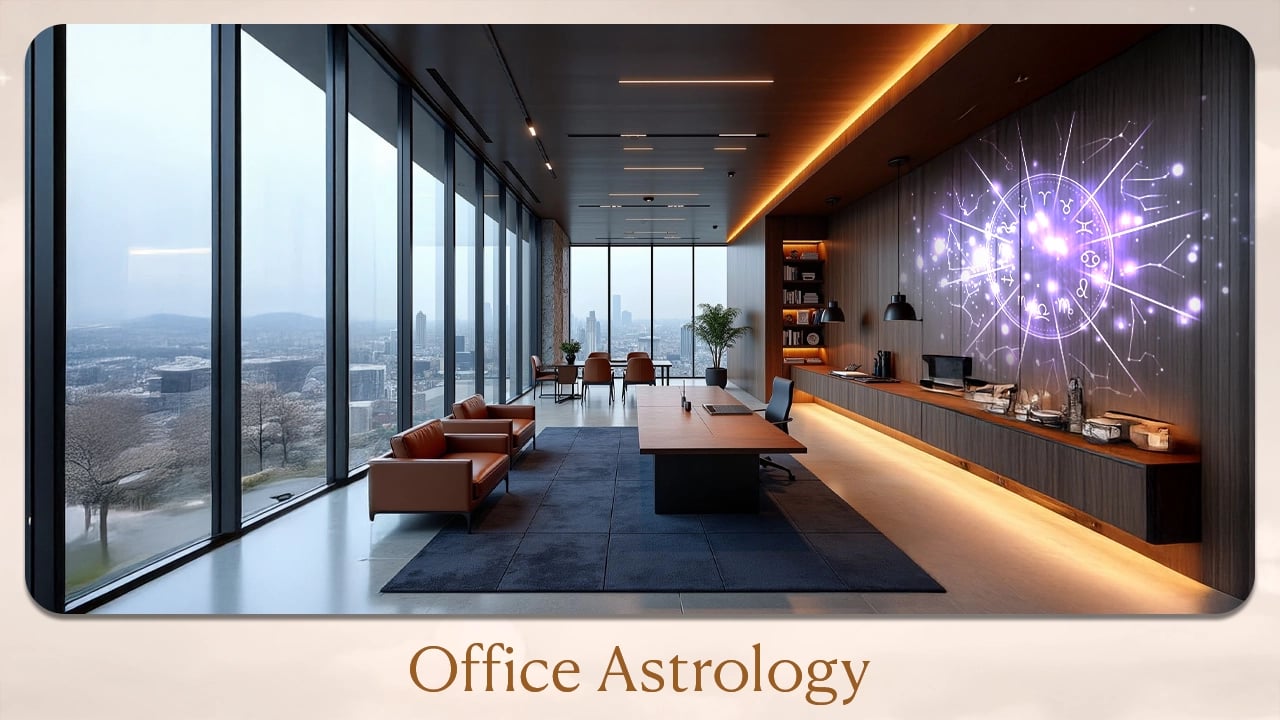
Introduction to Office Astrology
Have you ever wondered why some days at the office feel like you're swimming upstream while others flow effortlessly? Or why certain colleagues seem to clash while others collaborate seamlessly? The ancient practice of astrology might hold some surprising answers for modern workplace challenges.
Office astrology isn't about predicting lottery numbers or finding your soulmate – it's about understanding the cosmic influences that affect our daily professional lives. By tapping into astrological wisdom, we can create more harmonious workplaces, improve team dynamics, and even boost productivity. Think of it as adding another tool to your professional toolkit, one that's been helping humans navigate life's complexities for thousands of years.
Read Also: Unlocking the Secrets of Mulank Numbers for Perfect Compatibility
What is Workplace Astrology?
Workplace astrology, also known as Office astrology, is the application of astrological principles to professional environments. It involves understanding how celestial movements, zodiac signs, and planetary influences can impact everything from individual work styles to team collaboration and business decision-making.
Unlike traditional astrology that focuses on personal relationships and life events, office astrology specifically addresses professional challenges. It examines how your birth chart influences your career preferences, work habits, and interactions with colleagues. This isn't about letting the stars make your decisions – it's about gaining deeper insights into the natural rhythms and tendencies that affect workplace dynamics.
The practice encompasses various elements, including understanding each team member's astrological profile, timing important meetings and launches according to favorable planetary alignments, and creating work environments that support different astrological temperaments.

The Science Behind Astrological Influence in Professional Settings
While astrology isn't a hard science in the traditional sense, there's growing interest in understanding how cosmic cycles might influence human behavior. Some researchers point to correlations between lunar phases and human activity patterns, while others explore how seasonal changes affect mood and productivity.
The concept of chronobiology – the study of biological rhythms – suggests that external cycles do influence our internal processes. Just as we know that sunlight affects our circadian rhythms and seasonal changes impact our energy levels, it's not entirely far-fetched to consider that other celestial movements might have subtle influences on our behavior and decision-making abilities.
From a psychological perspective, astrology can serve as a valuable framework for self-reflection and understanding others. When we consider someone's astrological profile, we're essentially looking at a personality assessment that can help us communicate more effectively and work together more harmoniously.
Read Also: Monthly Numerology Predictions For March 2025
How Your Zodiac Sign Affects Your Work Style
Understanding the twelve zodiac signs and their associated work styles can revolutionize how you approach team management and collaboration. Each sign brings unique strengths and challenges to the workplace.
Fire Signs in the Office
Fire signs (Aries, Leo, and Sagittarius) bring enthusiasm, leadership, and innovation to the workplace. These natural-born leaders thrive on challenges and aren't afraid to take risks. Aries employees are excellent at starting new projects but might struggle with follow-through. Leos shine in roles that allow them to showcase their talents and receive recognition. Sagittarians excel in positions that offer variety and learning opportunities.
Managing fire signs requires providing them with challenging projects, recognition for their achievements, and the freedom to innovate. They work best in dynamic environments where they can lead initiatives and inspire others.
Earth Signs at Work
Earth signs (Taurus, Virgo, and Capricorn) are the backbone of any organization. They're practical, reliable, and focused on results. Taurus employees provide stability and persistence, making them excellent for long-term projects. Virgos bring attention to detail and analytical skills that ensure quality and efficiency. Capricorns are natural managers who excel at strategic planning and goal achievement.
These signs thrive in structured environments with clear expectations and deadlines. They appreciate recognition for their consistent contributions and opportunities for steady career advancement.
Air Signs in Professional Settings
Air signs (Gemini, Libra, and Aquarius) excel in communication, networking, and innovative thinking. Geminis are versatile communicators who can adapt to various roles and situations. Libras bring diplomatic skills and a natural ability to mediate conflicts and build consensus. Aquarians contribute original thinking and technological innovation to their teams.
Air signs work best in collaborative environments that encourage idea-sharing and intellectual stimulation. They need variety in their tasks and opportunities to connect with diverse groups of people.
Water Signs in the Workplace
Water signs (Cancer, Scorpio, and Pisces) bring emotional intelligence, intuition, and creativity to professional settings. Cancers create nurturing work environments and excel in roles that involve caring for others or building team cohesion. Scorpios possess intense focus and investigative skills that make them excellent researchers and problem-solvers. Pisces contribute artistic vision and empathetic understanding to their work.
These signs flourish in emotionally supportive environments where their intuitive insights are valued and their need for meaningful work is met.
Read Also: Best Astrologer for Match-Making in Madurai
Using Astrology to Improve Team Dynamics
Creating effective teams involves more than just matching skills and experience – it's about understanding how different personality types interact and complement each other. Astrological insights can provide a roadmap for building balanced, harmonious teams.
When forming project teams, consider including representatives from different elements. A fire sign can provide leadership and vision, an earth sign can ensure practical implementation, an air sign can facilitate communication and brainstorming, and a water sign can maintain team morale and emotional balance.
Understanding potential friction points between signs can help prevent conflicts before they arise. For instance, knowing that detail-oriented Virgos might clash with big-picture Sagittarians allows you to create processes that honor both perspectives.
Astrological Timing for Important Business Decisions
Timing is everything in business, and astrology offers insights into favorable periods for different types of activities. While you shouldn't postpone critical decisions indefinitely waiting for perfect cosmic alignment, understanding astrological timing can provide an additional edge.
New moons are excellent times for launching new initiatives, starting projects, or making fresh beginnings. Full moons bring culmination energy, making them ideal for completing projects, making announcements, or celebrating achievements. The waxing moon period supports growth and expansion, while the waning moon is perfect for reflection, planning, and letting go of what isn't working.
Venus-ruled periods favor negotiations, partnerships, and creative projects. Mars influence supports competitive activities, sales pushes, and decisive action. Jupiter's influence expands opportunities for growth, learning, and international ventures.
Mercury Retrograde and Office Productivity
Perhaps no astrological phenomenon is more famous in modern culture than Mercury retrograde. This period, occurring three to four times yearly, is associated with communication mishaps, technology failures, and delays in travel and contracts.
While it's easy to dismiss Mercury retrograde as superstition, many professionals report noticeable patterns during these periods. Rather than fearing these times, savvy business leaders use them strategically. Mercury retrograde periods are excellent for reviewing existing projects, revisiting past ideas, and reorganizing systems.
During Mercury retrograde, double-check all communications, back up important data, and build extra time into project schedules. Focus on the "re" activities: review, revise, reorganize, and reconnect with past contacts.
Creating an Astrologically Harmonious Workspace
Your physical work environment can be enhanced through astrological principles. Different signs are drawn to different colors, textures, and spatial arrangements that support their natural energies.
Fire signs thrive in bright, energizing spaces with warm colors like red, orange, and yellow. Earth signs prefer natural materials, plants, and earth tones that create stability and grounding. Air signs benefit from open, airy spaces with good lighting and minimal clutter. Water signs are drawn to flowing lines, cool colors, and elements that evoke water or emotional comfort.
Consider incorporating elements that support all four astrological elements in common spaces. This might include plants for earth energy, good lighting and ventilation for air, warm colors or a fireplace for fire, and water features or flowing artwork for water energy.
Zodiac-Based Communication Strategies
Effective communication requires adapting your style to your audience, and astrological insights can guide these adaptations. Understanding someone's sign can help you choose the most effective communication approach.
Fire signs respond well to direct, enthusiastic communication that emphasizes opportunities and challenges. Earth signs prefer detailed, practical information presented in an organized manner. Air signs enjoy intellectual discussions and appreciate multiple perspectives on issues. Water signs connect through emotional understanding and prefer gentle, empathetic communication styles.
When presenting ideas to mixed groups, try to include elements that appeal to all signs: the big vision for fire signs, practical details for earth signs, logical analysis for air signs, and emotional benefits for water signs.
Read Also: Best Astrologer for Match-Making in Ranchi
Astrological Approaches to Conflict Resolution
Workplace conflicts often arise from misunderstandings rooted in different approaches to work and communication. Astrological awareness can provide insights into these differences and guide resolution strategies.
When fire and earth signs clash, the conflict often stems from different paces and priorities. Fire signs want quick action while earth signs prefer careful planning. Resolution involves finding ways to honor both the need for progress and the need for thoroughness.
Air and water sign conflicts typically center on thinking versus feeling approaches to problems. Air signs focus on logic while water signs consider emotional factors. Effective resolution acknowledges both rational analysis and emotional intelligence.
Career Planning Through Astrological Insights
Your astrological profile can provide valuable insights into career paths that align with your natural strengths and interests. While astrology shouldn't limit your choices, it can illuminate paths you might not have considered.
Fire signs often excel in leadership roles, entrepreneurship, sports, entertainment, and sales. Earth signs thrive in finance, healthcare, engineering, agriculture, and management positions. Air signs are drawn to communication, education, technology, law, and consulting. Water signs often flourish in counseling, the arts, healthcare, and any field involving emotional support or creativity.
Consider your full astrological chart, not just your sun sign, for the most comprehensive career insights. Your rising sign influences how others perceive you professionally, while your midheaven sign specifically relates to career and public reputation.
The Role of Moon Phases in Work Performance
The lunar cycle offers a natural rhythm for planning work activities. Just as farmers have long planted and harvested according to moon phases, modern professionals can align their activities with lunar energy for enhanced effectiveness.
New moon periods are ideal for setting intentions, starting new projects, and brainstorming innovative ideas. The waxing moon supports growth activities like expanding markets, building teams, and increasing production. Full moons bring peak energy for culminating projects, making important presentations, and celebrating achievements. The waning moon supports reflection, evaluation, and releasing what no longer serves your goals.
Tracking these patterns in your own work can help you identify your personal rhythms and optimize your schedule accordingly.
Integrating Astrology with Modern Management Practices
Successful integration of astrology into workplace practices requires balance and sensitivity. The key is presenting astrological insights as one tool among many, rather than the ultimate authority on workplace decisions.
Start by incorporating astrological awareness into existing practices. Use personality assessments that include astrological elements alongside traditional tools. Consider lunar timing when scheduling important meetings or launches, but maintain flexibility for business necessities.
Encourage voluntary participation in astrological activities rather than mandating them. Some employees will be enthusiastic about astrological insights, while others may be skeptical or uncomfortable. Respect these differences while creating opportunities for those interested to explore further.
Common Misconceptions About Office Astrology
Several misconceptions can prevent people from exploring the benefits of workplace astrology. The first is the belief that astrology promotes fatalistic thinking or removes personal responsibility. In reality, astrology is about understanding tendencies and influences, not predetermined destinies.
Another misconception is that astrology lacks practical application. However, when used as a tool for understanding personality differences and natural rhythms, astrology can provide valuable insights for team building, communication, and timing.
Some people worry that workplace astrology will lead to discrimination or stereotyping. While this is a valid concern, proper application focuses on understanding and accommodating differences rather than limiting opportunities based on astrological profiles.
Building an Astrology-Aware Corporate Culture
Creating an astrology-aware workplace culture begins with leadership modeling openness to diverse perspectives and alternative approaches to understanding human behavior. This doesn't mean requiring belief in astrology, but rather fostering an environment where different viewpoints are respected and explored.
Consider offering optional workshops on astrological personality types, incorporating lunar timing into project planning discussions, or celebrating seasonal transitions that mark astrological shifts. These activities can build team cohesion while introducing astrological concepts in accessible ways.
Encourage employees to share their astrological insights while maintaining respect for those who prefer other frameworks for understanding personality and behavior. The goal is creating a more inclusive, understanding workplace that honors the complexity of human nature.
Read Also: Best Astrologer in Vijayawada
Conclusion of Office astrology
Office astrology offers a unique lens for understanding workplace dynamics, improving communication, and creating more harmonious professional environments. While it shouldn't replace sound business practices or professional development, it can serve as a valuable complementary tool for building better teams and making more informed decisions about timing and interpersonal interactions.
The key to successful Office astrology lies in approaching it with an open mind while maintaining practical grounding. Use astrological insights to enhance your understanding of colleagues and optimize your work rhythms, but always balance cosmic awareness with earthly responsibilities and professional obligations.
By integrating Office astrology wisdom with modern management practices, we can create workplaces that honor both the mystical and practical aspects of human experience, leading to more satisfied employees, better team dynamics, and ultimately, more successful organizations.
FAQs of Office astrology
Q1:Is it legal to use astrology in hiring and employment decisions?
Ans: While astrology itself isn't a protected class, using astrological signs as the basis for employment decisions could potentially lead to discrimination claims if it disproportionately affects certain groups. It's best to use astrology as a tool for understanding and communication rather than for making hiring or promotion decisions.
Q2:How can skeptical employees be included in astrology-aware workplace initiatives?
Ans: Focus on the practical benefits like improved communication and team understanding rather than the mystical aspects. Present astrological insights alongside other personality frameworks, and always make participation voluntary. Emphasize that astrology is just one tool among many for understanding workplace dynamics.
Q3:What's the difference between using astrology for personal insight versus making business decisions?
Ans: Personal astrological insights can help individuals understand their work styles and preferences, while business decisions should primarily be based on data, market conditions, and strategic considerations. Astrology can inform timing and approach but shouldn't override sound business judgment.
Q4:How often should I consider astrological factors in work planning?
Ans: Start small by occasionally noting moon phases or Mercury retrograde periods when planning major initiatives. As you become more comfortable, you might consider astrological timing for important meetings or product launches. The key is finding a balance that feels natural and doesn't disrupt normal business operations.
Q5:Can astrology help with remote team management?
Ans: Absolutely! Understanding team members' astrological profiles can be especially valuable for remote work, where you have fewer opportunities to observe behavior patterns directly. Astrological insights can guide your communication style, meeting scheduling, and virtual team-building activities to better support each individual's needs and preferences.
For interesting astrology-related videos, subscribe to us on YouTube