Blue Sapphire with the plant effect
Discover the blue sapphire with the plant effect! Uncover mind-blowing secrets about this powerful gemstone's connection to nature.

Written by By Hanish Bagga
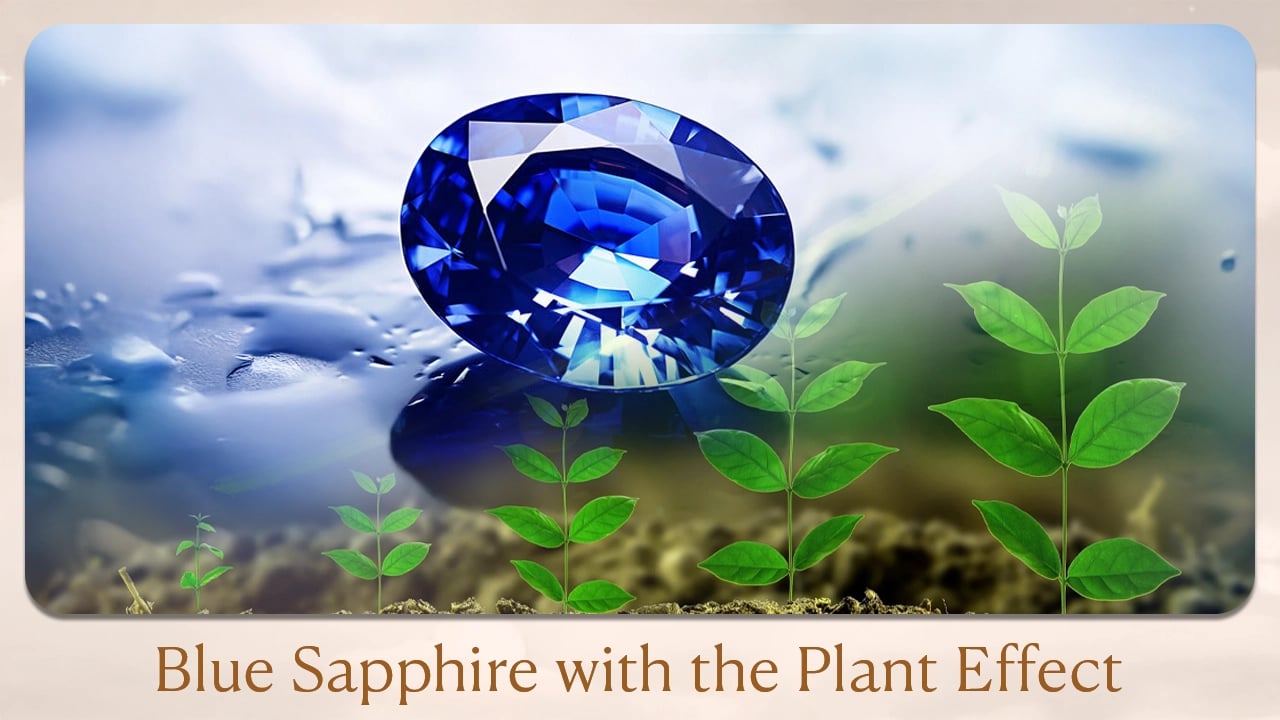
Introduction to Blue Sapphire and Plant Effect
Have you ever wondered if precious gemstones could hold secrets beyond their dazzling beauty? What if I told you that blue sapphire, one of the world's most coveted gemstones, might have a mysterious connection to plant life that could revolutionize how we think about gardening and agriculture?
The relationship between blue sapphire and what researchers call the "plant effect" is a fascinating intersection of ancient wisdom and modern science. This phenomenon suggests that certain gemstones, particularly blue sapphire, can influence plant growth, health, and vitality in ways that challenge our conventional understanding of botany and geology.
Read Also: Unlock Life's Mysteries: Astrological Remedies for Tough Times

What is Blue Sapphire? Understanding the Basics
Blue sapphire is a variety of the mineral corundum, composed primarily of aluminum oxide with trace elements that give it its distinctive blue color. This precious gemstone has captivated humans for millennia, not just for its beauty but for its supposed mystical properties.
The gemstone's hardness rating of 9 on the Mohs scale makes it one of the most durable minerals on Earth, second only to diamond. This durability, combined with its striking appearance, has made blue sapphire a symbol of royalty, wisdom, and divine favor throughout history.
But what makes blue sapphire truly special isn't just its physical properties—it's the unique energy signature that some believe emanates from its crystalline structure. This energy, according to proponents of the plant effect theory, can interact with living organisms in remarkable ways.
The Historical Significance of Blue Sapphire
Ancient Civilizations and Their Beliefs
Throughout history, civilizations have attributed supernatural powers to blue sapphire. The ancient Persians believed that the Earth rested on a giant sapphire, and its reflection gave the sky its blue color. Medieval Europeans thought sapphires could cure ailments and protect against poison.
Traditional Uses in Agriculture
Interestingly, some historical records suggest that ancient farmers in certain regions would bury sapphires in their fields, believing they would ensure bountiful harvests. While these practices were often dismissed as superstition, modern research is beginning to uncover potential scientific explanations for these age-old beliefs.
Understanding the Plant Effect in Gemology
The plant effect refers to the purported ability of certain gemstones and crystals to influence plant growth, health, and development. This concept bridges the gap between traditional crystal healing practices and modern agricultural science.
At its core, the plant effect theory suggests that gemstones emit subtle energy fields or vibrations that can interact with the bioelectric fields of living plants. These interactions might stimulate cellular processes, enhance nutrient uptake, or improve the plant's overall resistance to environmental stressors.
How Blue Sapphire Influences Plant Growth
Energy Field Emission
Blue sapphire is believed to emit a specific frequency of energy that resonates with plant cells. This resonance might enhance photosynthesis, improve root development, and increase the plant's ability to absorb nutrients from the soil.
Molecular Vibrations
The crystalline structure of blue sapphire creates unique molecular vibrations that some researchers believe can influence water molecules in plant cells. Since plants are primarily composed of water, even subtle changes in water structure could have significant effects on plant health.
Electromagnetic Interactions
Some theories suggest that blue sapphire interacts with the Earth's electromagnetic field, creating localized changes that plants can sense and respond to. This could explain why plants near blue sapphire sources might exhibit enhanced growth patterns.
Read Also: Can Astrology Transform Your Life? Discover Its Healing Power
The Science Behind Crystal-Plant Interactions
Piezoelectric Properties
Blue sapphire exhibits piezoelectric properties, meaning it can generate electrical charges when subjected to mechanical stress. This property might create micro-electric fields that influence plant cell activity and growth hormones.
Biofield Interactions
Recent studies in biofield science suggest that all living organisms, including plants, generate and respond to subtle energy fields. Blue sapphire might interact with these biofields, creating conditions that promote healthier plant growth.
Water Memory Theory
Some researchers propose that water near blue sapphire might retain structural changes that benefit plants when used for irrigation. This theory, while controversial, offers a potential mechanism for the plant effect.
Research Studies on Blue Sapphire and Vegetation
Controlled Laboratory Experiments
Several independent research groups have conducted controlled experiments to test the plant effect of blue sapphire. These studies typically involve growing identical plants in controlled environments, with some exposed to blue sapphire and others serving as controls.
Field Studies in Agricultural Settings
Agricultural researchers have begun incorporating blue sapphire into field studies, examining crop yields, plant health, and resistance to pests and diseases in areas where sapphires are present compared to control areas.
Measurement Techniques
Modern research employs sophisticated measurement techniques, including spectroscopy, electromagnetic field detection, and biochemical analysis of plant tissues, to quantify any effects of blue sapphire on plant growth.
Traditional Beliefs vs. Modern Discoveries
Bridging Ancient Wisdom and Science
The convergence of traditional beliefs about blue sapphire and modern scientific findings creates an interesting dialogue between ancient wisdom and contemporary research methods. While not all traditional claims can be scientifically validated, some show promising correlations with measurable effects.
Cultural Perspectives
Different cultures have varying beliefs about blue sapphire's effects on plant life. Asian traditions often emphasize the stone's ability to bring harmony and balance to natural systems, while Western approaches focus more on measurable, quantifiable effects.
Practical Applications in Agriculture
Sustainable Farming Practices
If the plant effect of blue sapphire proves scientifically valid, it could revolutionize sustainable farming practices. Farmers might use sapphire-infused irrigation systems or place sapphires strategically throughout their fields to enhance crop growth naturally.
Greenhouse Enhancement
Greenhouse operators are experimenting with blue sapphire placement to create optimal growing conditions for various plants. Early reports suggest improved germination rates and healthier plant development in sapphire-enhanced environments.
Organic Certification Compatibility
Since blue sapphire is a natural mineral, its use in agriculture would likely be compatible with organic farming certifications, offering a chemical-free method of potentially enhancing plant growth.
Blue Sapphire in Garden Design and Landscaping
Decorative and Functional Integration
Landscape designers are beginning to incorporate blue sapphire into garden designs, not just for aesthetic appeal but for potential plant health benefits. Strategic placement of sapphire specimens might create microclimates that benefit surrounding vegetation.
Water Feature Enhancement
Blue sapphire placement in water features like fountains and ponds might enhance the beneficial effects of water on nearby plants, creating lush, healthy garden environments.
The Energy Field Theory and Plant Vitality
Understanding Subtle Energies
The energy field theory suggests that blue sapphire generates subtle energy fields that plants can detect and respond to. These fields might influence plant metabolism, growth hormones, and cellular regeneration processes.
Resonance and Harmony
Plants might naturally resonate with the energy frequencies emitted by blue sapphire, creating a harmonious relationship that promotes optimal growth conditions and enhanced vitality.
How to Use Blue Sapphire for Plant Enhancement
Placement Strategies
For those interested in experimenting with blue sapphire's plant effect, proper placement is crucial. Sapphires should be positioned near plant roots or in areas where they can influence the plant's immediate environment without interfering with normal care routines.
Water Infusion Methods
Some practitioners create sapphire-infused water by placing clean blue sapphire specimens in irrigation water for specific periods. This water is then used to nourish plants, potentially transferring beneficial properties.
Soil Integration
Small blue sapphire chips or powder might be mixed into potting soil or garden beds, creating a sustained influence on plant growth throughout the growing season.
Common Myths and Misconceptions
Separating Fact from Fiction
While the plant effect of blue sapphire shows promise, it's important to distinguish between scientifically supported claims and unfounded myths. Not all traditional beliefs about sapphire's effects on plants have scientific backing.
Realistic Expectations
Blue sapphire should be viewed as a potential enhancement tool rather than a miracle solution. Proper plant care, including adequate water, nutrients, and sunlight, remains essential for healthy plant growth.
Real-World Success Stories
Case Studies from Practitioners
Various gardeners and farmers have reported positive results when incorporating blue sapphire into their plant care routines. These anecdotal reports, while not scientifically validated, provide interesting insights into potential applications.
Commercial Applications
Some commercial plant nurseries and specialty growers are beginning to experiment with blue sapphire incorporation, reporting improved plant health and customer satisfaction.
Future Implications and Research Directions
Expanding Scientific Understanding
As research into the plant effect of blue sapphire continues, we may discover new applications and mechanisms that could transform our understanding of plant-mineral interactions.
Technological Integration
Future developments might include sophisticated delivery systems that optimize blue sapphire's effects on plants, potentially leading to breakthrough applications in agriculture and horticulture.
Environmental Benefits
If proven effective, blue sapphire-enhanced plant growth could contribute to more sustainable agricultural practices, reduced chemical dependency, and improved environmental stewardship.
Read Also: Consult With The Best Astrologer in Mangalore
Conclusion of Blue Sapphire with the Plant Effect
The relationship between blue sapphire and plant growth represents a fascinating frontier where ancient wisdom meets modern science. While research is still in its early stages, the potential implications for agriculture, gardening, and our understanding of plant biology are profound.
Whether you're a skeptic or a believer, the plant effect of blue sapphire offers an intriguing glimpse into the hidden connections between the mineral and biological worlds. As we continue to explore these relationships, we may discover that the secrets held within blue sapphire's crystalline structure are even more remarkable than we ever imagined.
The journey to fully understand blue sapphire's plant effect is just beginning, and the discoveries ahead may revolutionize how we approach plant cultivation, sustainable agriculture, and our relationship with the natural world.
Frequently Asked Questions (FAQs)
Q1.Is there scientific proof that blue sapphire actually affects plant growth?
Ans: While there are ongoing studies and promising preliminary results, the scientific community hasn't reached a definitive consensus on blue sapphire's plant effect. Research continues to explore potential mechanisms and measurable impacts.
Q2.How expensive is it to use blue sapphire for plant enhancement?
Ans: The cost varies depending on the size and quality of sapphire used. Small chips or lower-grade sapphires suitable for plant applications are much more affordable than jewelry-quality stones, making experimentation accessible to most gardeners.
Q3.Can blue sapphire harm plants if used incorrectly?
Ans: Blue sapphire is chemically inert and non-toxic, so it's unlikely to harm plants directly. However, improper placement might interfere with normal plant care routines or drainage, so careful consideration of placement is important.
Q4.Do other gemstones have similar effects on plants?
Ans: Some researchers believe various gemstones and crystals may influence plant growth, each potentially offering different benefits. Blue sapphire is just one of many minerals being studied for their potential plant effects.
Q5.How long does it take to see results when using blue sapphire with plants?
Ans: Reported timeframes vary widely, from days to months, depending on the plant species, sapphire placement, and environmental conditions. Some practitioners report immediate effects, while others observe gradual improvements over growing seasons.
For interesting astrology-related videos, subscribe to us on YouTube
